gamechampion54
Gaming has long been a source of entertainment, but over the past few decades, it has transformed into a massive global industry, deeply embedded in our culture. From simple pixelated games to highly complex virtual worlds, gaming has grown in scope and complexity, attracting millions of players across the globe. It is no longer just about playing; it’s about experiencing new worlds, telling stories, and connecting with others. The gaming industry has transcended traditional boundaries, becoming a cultural force with its own community, economy, and influence on modern media.
In this blog post, we will explore the ever-evolving world of games, examining different types of games, the technological innovations driving them, the cultural impact of gaming, and the future of the industry. Whether you’re a seasoned gamer or new to the world of gaming, there’s always something exciting happening in the gaming universe.
The Diverse Landscape of Gaming
Genres and Types of Games
The world of gaming is vast and varied, offering a wide array of genres that cater to all tastes and preferences. From action-packed shooters to thought-provoking puzzle games, the options are endless. Here are some of the most popular genres of games that have defined the gaming industry over the years:
- Action and Adventure Games
These games focus on physical challenges, combat, and exploration. Action games typically involve fast-paced gameplay, requiring quick reflexes and strategy. Some of the most iconic action games include franchises like Call of Duty, Grand Theft Auto, and The Legend of Zelda. Adventure games, on the other hand, often focus on story-driven experiences, puzzle-solving, and exploration, with titles like Uncharted and Tomb Raider leading the charge. - Role-Playing Games (RPGs)
RPGs allow players to immerse themselves in intricate storylines and develop characters through various quests and challenges. These games often feature expansive worlds, deep lore, and customizable characters. Classic examples include The Witcher 3: Wild Hunt, Final Fantasy, and Elder Scrolls V: Skyrim. MMORPGs (Massively Multiplayer Online Role-Playing Games), like World of Warcraft, add an extra layer of social interaction, allowing players to explore virtual worlds together. - Strategy Games
Strategy games emphasize tactical thinking and decision-making. Players must use their resources wisely, plan ahead, and outsmart their opponents. These games can be either turn-based or real-time. StarCraft, Age of Empires, and Civilization are prime examples of games that require both long-term planning and quick decision-making. - Sports and Racing Games
Sports games simulate real-world athletic competitions, from football and basketball to soccer and tennis. Racing games, as the name suggests, involve high-speed competition in vehicles. Popular titles like FIFA, NBA 2K, Gran Turismo, and Need for Speed have dominated this genre, offering realistic experiences and multiplayer options. - Simulation Games
Simulation games allow players to create and manage virtual environments, from running a business to managing a city or even a farm. The Sims series, SimCity, and Stardew Valley are some of the most well-known simulation games, each offering a unique take on controlling and building virtual worlds. - Fighting Games
These games are based on one-on-one combat, often requiring skillful use of moves, combos, and counterattacks. Street Fighter, Mortal Kombat, and Super Smash Bros. are iconic examples of fighting games that have been enjoyed by both casual and competitive players for decades. - Puzzle Games
Puzzle games focus on solving problems and overcoming challenges through logic and reasoning. Games like Tetris, Candy Crush, and Portal are excellent examples of puzzle games that require mental agility and creativity. - Horror Games
Horror games are designed to evoke fear and tension in players, often through dark atmospheres, creepy storylines, and jump scares. Titles like Resident Evil, Silent Hill, and Amnesia: The Dark Descent have set the standard for immersive, terrifying experiences.
The Role of Technology in Gaming
Advancements in Graphics and Visuals
One of the biggest reasons for gaming’s evolution has been technological advancements. Early video games were simple, with 2D graphics and pixelated characters. However, with the advent of more powerful hardware and graphics engines, modern games now feature photorealistic visuals and expansive, detailed worlds.
The introduction of 3D graphics was a turning point for gaming, bringing more depth and immersion to gameplay. This evolution continued with the development of advanced rendering techniques, such as ray tracing, which simulates the behavior of light in a more realistic way. Games like Cyberpunk 2077 and Red Dead Redemption 2 have raised the bar for visual fidelity, providing players with breathtakingly detailed environments that feel alive and dynamic.
Virtual Reality (VR) and Augmented Reality (AR)
Virtual Reality (VR) and Augmented Reality (AR) are technologies that have begun to reshape the gaming experience. VR creates a fully immersive environment where players can interact with a 3D world in real-time using specialized headsets and controllers. Games like Beat Saber and Half-Life: Alyx offer a new level of immersion, allowing players to step into the game world as if they were physically present.
AR, on the other hand, overlays digital elements onto the real world, enhancing the player’s environment without completely replacing it. Games like Pokémon Go brought AR gaming to the mainstream, allowing players to interact with Pokémon in real-world locations using their smartphones.
Both VR and AR technologies are still evolving, but they have the potential to revolutionize gaming in the coming years by providing even more immersive and interactive experiences.
Cloud Gaming and Game Streaming
Another major technological advancement in gaming is cloud gaming, which allows players to stream games directly from servers rather than relying on local hardware. Services like Google Stadia, Xbox Cloud Gaming, and Nvidia GeForce Now enable players to access high-quality games on virtually any device with an internet connection, eliminating the need for powerful gaming consoles or PCs.
Cloud gaming has opened up gaming to a wider audience, allowing people with less powerful devices to enjoy cutting-edge games. This technology also makes it easier to access games on the go, as players can stream games from their phones or tablets without the need for downloads or installations.
Gaming Culture: From Casual Play to Esports
The Rise of Competitive Gaming
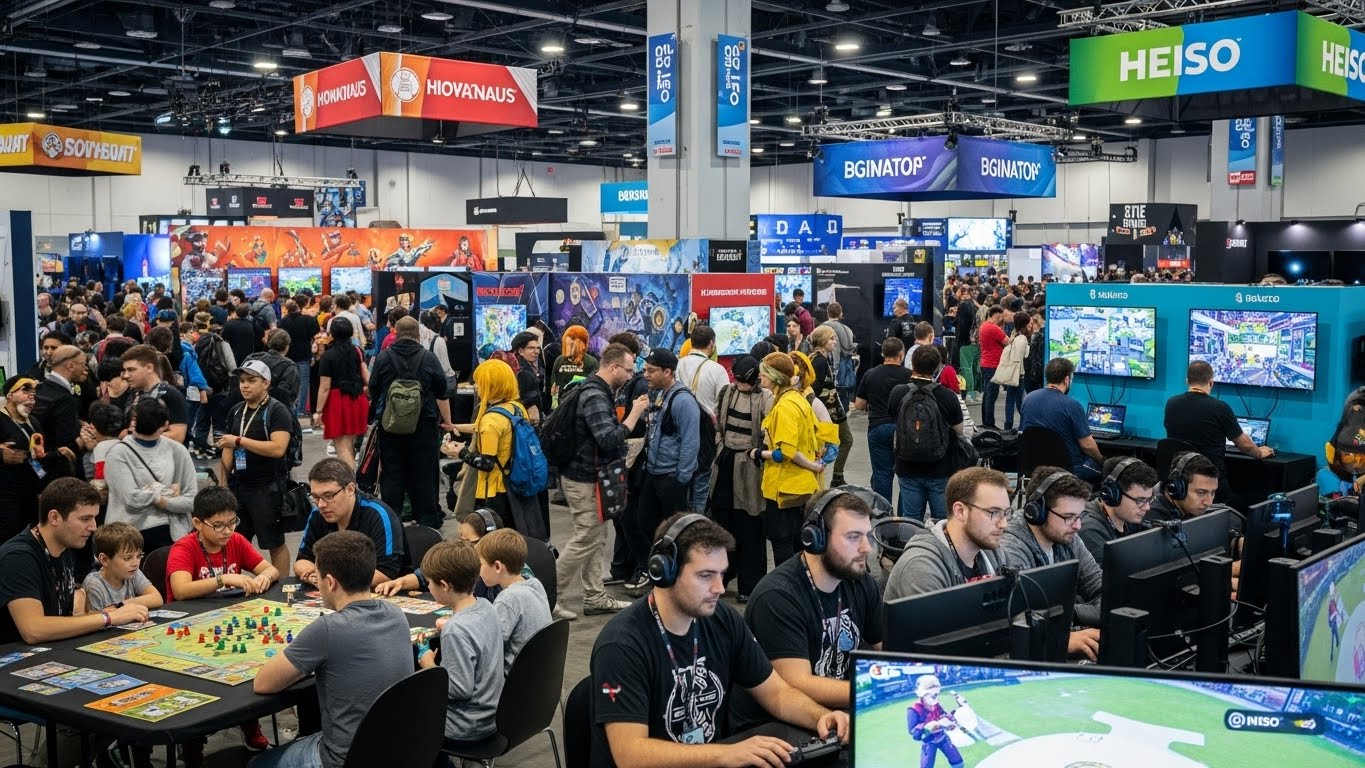
Gaming has always been a competitive activity, but in recent years, it has evolved into a global phenomenon through the rise of esports. Esports refers to organized, multiplayer video game competitions, particularly between professional players, teams, and organizations. Games like League of Legends, Dota 2, Counter-Strike: Global Offensive, and Overwatch have become major esports titles, attracting millions of viewers to tournaments worldwide.
Esports has become a multi-million-dollar industry, with professional players earning significant salaries through sponsorships, prize money, and streaming platforms like Twitch. The appeal of esports lies in its accessibility — anyone can watch a live broadcast or participate in a tournament. It’s also a space where players can showcase their skill, and the intense competition provides entertainment for fans around the world.
Streaming and Content Creation
Another significant aspect of modern gaming culture is the rise of game streaming and content creation. Platforms like Twitch, YouTube, and Facebook Gaming have given rise to a new generation of gaming influencers, allowing players to broadcast their gameplay live and connect with their audiences in real-time.
Content creators often share their gaming experiences, provide walkthroughs, entertain viewers with humorous commentary, or even offer advice and tutorials. Many of these streamers have amassed large followings, turning gaming into a form of entertainment in its own right. Streaming has become a key aspect of gaming culture, with players not only participating in games but also sharing their experiences and fostering communities.
The Future of Gaming: What’s Next?
AI and Procedural Generation
The future of gaming is being shaped by artificial intelligence (AI) and procedural generation. AI can be used to create more dynamic and responsive game worlds, where NPCs (non-playable characters) can react to players’ actions in a more realistic and personalized way. Games could become even more open-ended, offering players a unique experience every time they play.
Procedural generation, on the other hand, is a technique used to create vast, randomized game environments without the need for designers to manually craft every detail. Games like Minecraft and No Man’s Sky utilize procedural generation to create expansive, ever-changing worlds that offer virtually unlimited exploration.
The Metaverse and Cross-Platform Play
The concept of the metaverse — a collective virtual shared space where users can interact, socialize, and participate in games — is gaining momentum. Companies like Facebook (now Meta) are investing heavily in building the metaverse, with the aim of creating a fully immersive virtual world where people can live, work, and play.
Cross-platform play is another emerging trend that will shape the future of gaming. It allows players on different gaming systems (like PlayStation, Xbox, and PC) to play together, breaking down the barriers between different gaming communities. This will help create a more inclusive and united gaming ecosystem.
Conclusion: Gaming’s Infinite Potential
Gaming has come a long way since its inception, evolving from simple, pixelated games to immersive, photorealistic worlds. Today, it stands as one of the most significant forms of entertainment worldwide, shaping culture, technology, and social interactions. From casual mobile games to competitive esports, gaming offers something for everyone. As technology continues to advance, the future of gaming holds infinite potential, with new genres, technologies, and innovations on the horizon. Whether you’re a hardcore gamer, a casual player