gamechampion54
Introduction
Games have always been more than just a source of entertainment; they are a reflection of human creativity, competition, and connection. From ancient board games played in royal courts to the modern digital masterpieces enjoyed by millions, gaming has evolved into an integral part of human culture. It bridges generations, unites people from diverse backgrounds, and serves as both an escape and a means of self-expression. The story of games is the story of human imagination—a journey that continues to expand with every new idea, platform, and technology.
The Origins of Play and Early Forms of Gaming
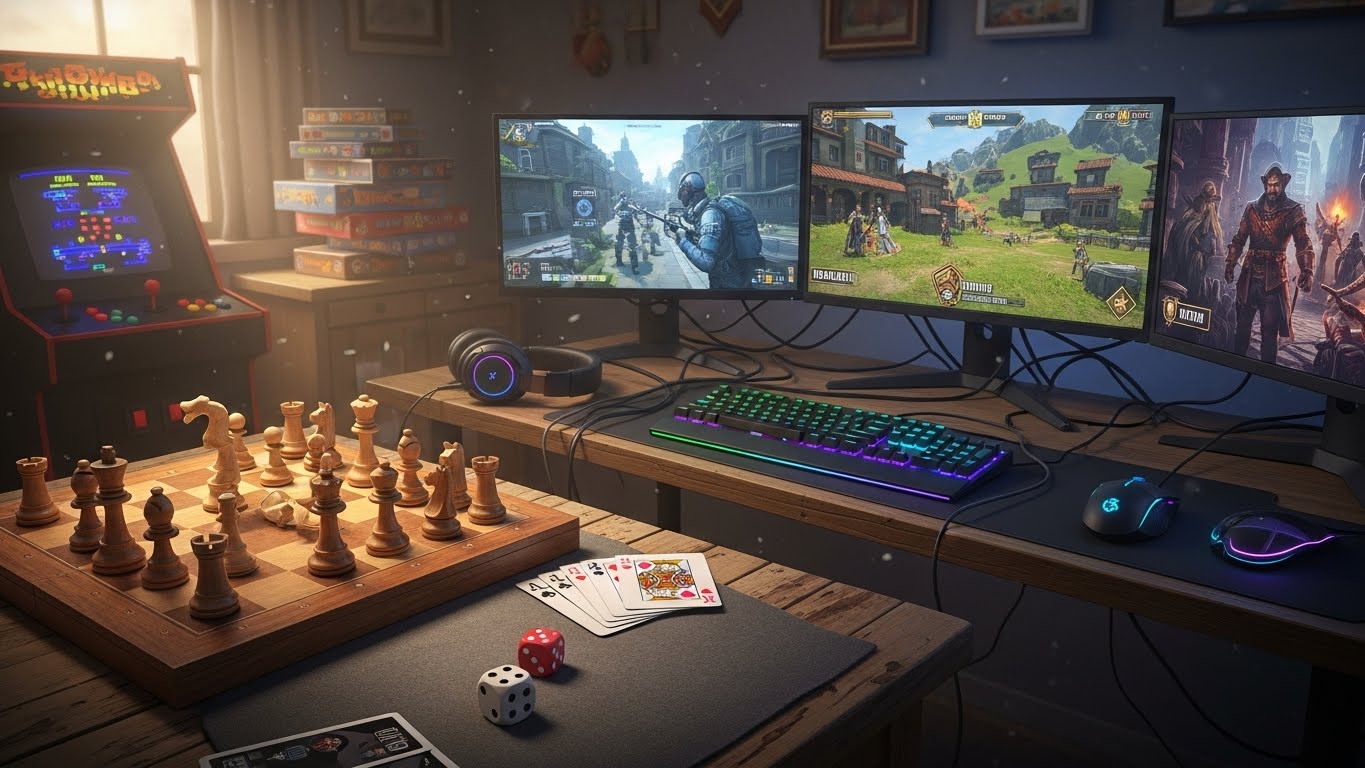
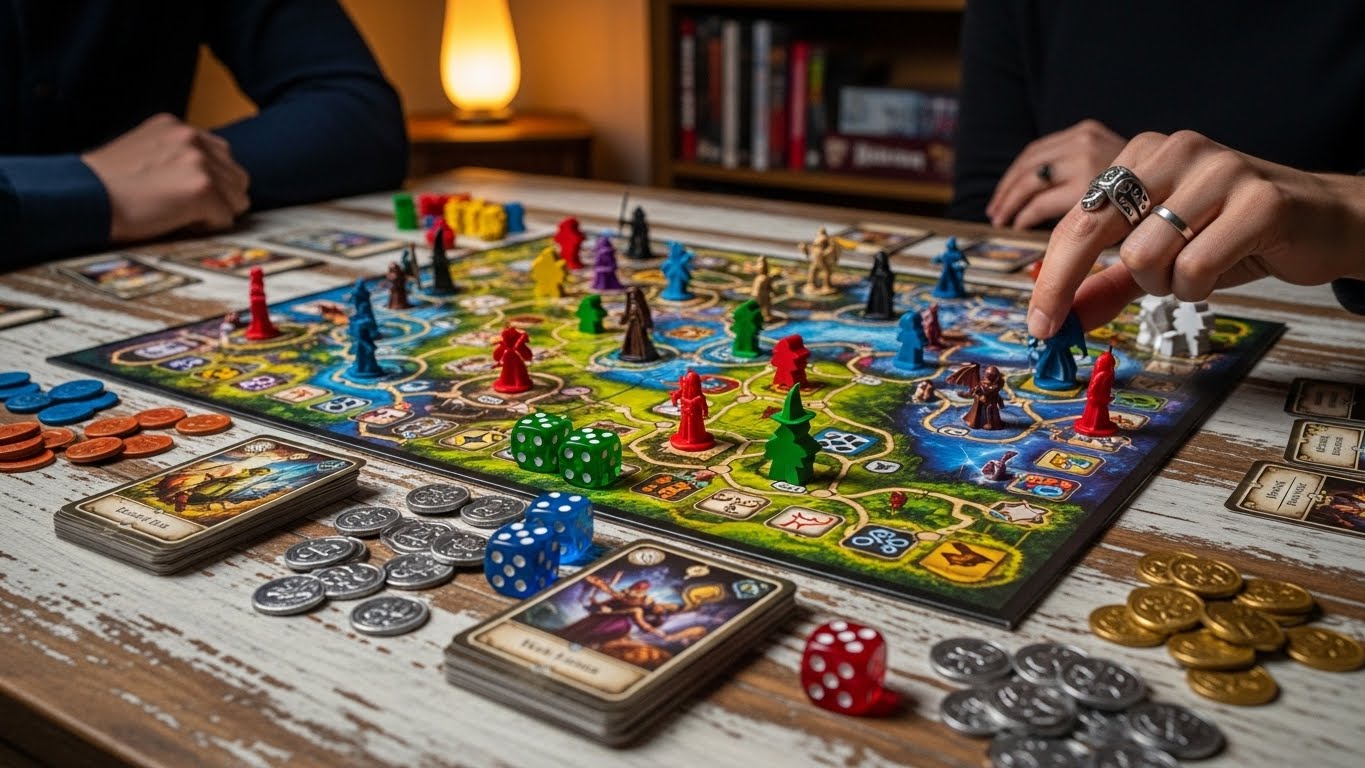
Long before technology, games existed as a form of learning and leisure. Ancient civilizations played games to test skill, strategy, and luck. The Royal Game of Ur, dating back thousands of years, is one of the oldest known board games. Chess, another historic masterpiece, originated in India and spread across the world, becoming a universal symbol of intelligence and strategy.
These early games were not only recreational but also deeply symbolic. They taught critical thinking, patience, and decision-making. Dice games introduced the concept of chance, while puzzles honed problem-solving abilities. Every generation created its own form of play, reflecting the values and intellect of its time.
The Rise of Video Games and Digital Play
The twentieth century marked a revolutionary era for gaming. With the invention of computers and consoles, the concept of play took on a digital form. Early games like Pong and Pac-Man captured the imagination of an entire generation. They introduced simple mechanics that laid the foundation for the complex systems of modern gaming.
As technology advanced, video games evolved in design, graphics, and depth. The 1980s and 1990s brought iconic consoles such as the Nintendo Entertainment System and the PlayStation, which turned gaming into a global phenomenon. Players were no longer confined to physical spaces—they could explore entire virtual worlds. This shift changed entertainment forever, blending art, storytelling, and interactivity into one immersive experience.
The Magic of Storytelling in Games
One of the most captivating aspects of modern games is storytelling. Unlike traditional media, games allow players to become active participants in the narrative. Instead of merely watching a hero’s journey, players live it. Every decision, every victory, and every defeat becomes personal.
Games like The Legend of Zelda, The Witcher, and Horizon Zero Dawn have demonstrated the power of interactive storytelling. They combine cinematic visuals with emotional depth, exploring themes of courage, sacrifice, and identity. The freedom of choice makes every player’s experience unique. This interactivity is what sets gaming apart from other art forms—it invites the audience to shape the story.
The Art and Design Behind Games
Behind every great game is a symphony of creativity. Artists, programmers, sound designers, and writers collaborate to build worlds that feel alive. The visual style sets the mood, the music builds emotion, and the gameplay mechanics create a sense of engagement. Game design is both an art and a science, balancing beauty with functionality.
Modern games use cutting-edge technology such as 3D modeling, motion capture, and advanced physics engines to create realistic environments. Yet, artistry remains at the heart of it all. Even simple games with minimal graphics can captivate millions if the design resonates emotionally or intellectually with players.
The Growth of Online Gaming and Communities
The rise of the internet transformed gaming into a social experience. Players could now connect, compete, and cooperate across continents. Online gaming birthed massive communities where friendships and rivalries flourished. Games like Minecraft, Fortnite, and Among Us became social spaces where creativity and collaboration thrive.
These digital communities often extend beyond the games themselves. Players share fan art, discuss strategies, and create stories inspired by their experiences. Gaming forums and chat servers have become modern meeting places where people from diverse backgrounds bond over shared interests. Online play has redefined what it means to be connected in the modern age.
Esports: The New Era of Competition
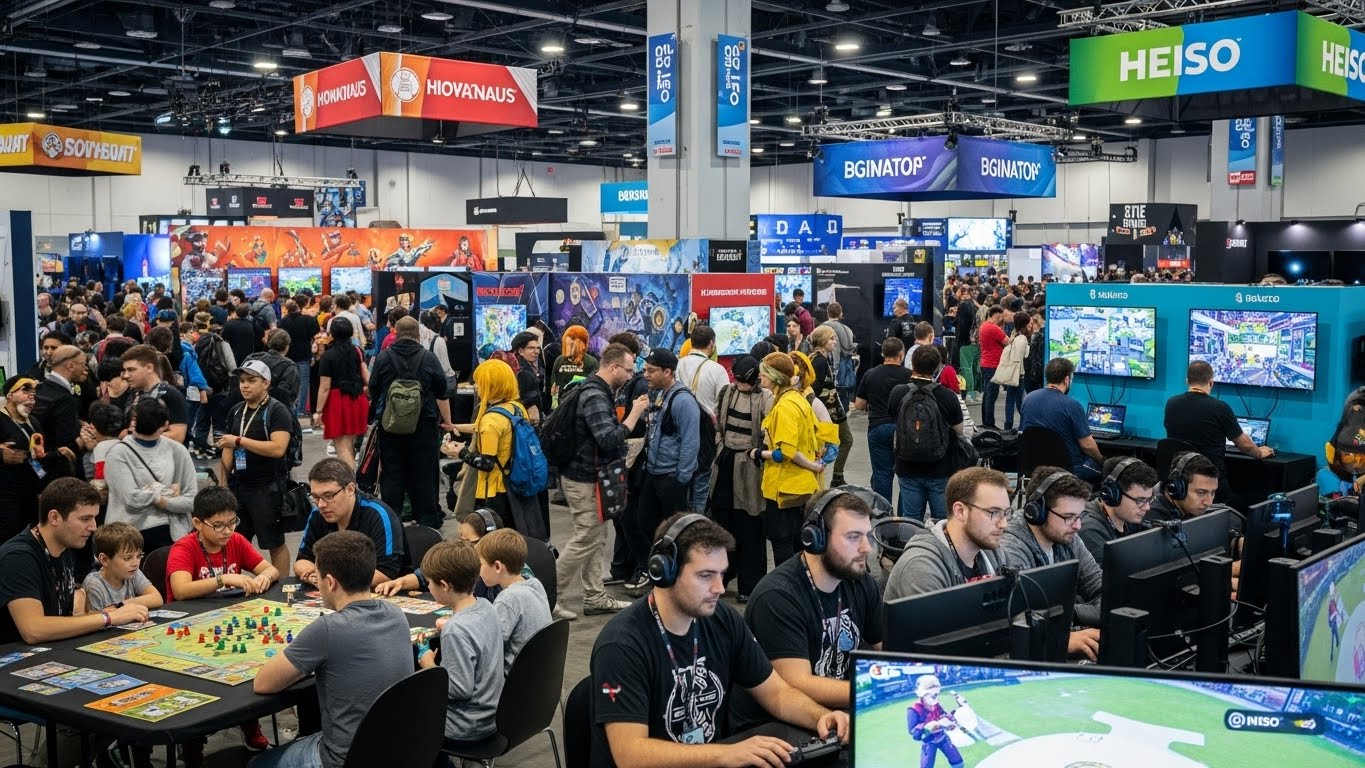
Competitive gaming, or esports, has elevated video games to the level of professional sports. Players train for hours each day, perfecting their strategies and reflexes. Teams compete in tournaments that attract massive audiences, both live and online. The energy of a packed stadium filled with cheering fans watching gamers on stage mirrors that of any traditional sporting event.
Esports has also opened doors for careers beyond playing. Coaches, analysts, commentators, and event organizers all contribute to this growing ecosystem. For many young gamers, professional gaming is not just a dream but a legitimate career path. The competitive spirit that once thrived on playgrounds and sports fields has found a new home in the virtual arena.
The Role of Games in Education and Skill Development
Beyond entertainment, games play a powerful role in education and personal growth. Educational games help children learn math, language, and logic through interactive challenges. Simulation games train professionals in medicine, aviation, and business by recreating real-world scenarios.
Games also enhance cognitive skills such as problem-solving, memory, and multitasking. Strategic games improve decision-making and planning, while cooperative games teach communication and teamwork. Even seemingly simple games can nurture creativity and perseverance. The balance between fun and learning has made gaming an effective tool for both education and skill development.
The Emotional Connection Between Players and Games
One of the reasons gaming is so influential is its emotional depth. Players develop strong connections with the characters they control and the worlds they explore. The joy of achieving a hard-earned victory, the sadness of a story’s ending, or the excitement of discovery all create lasting memories.
Unlike passive entertainment, gaming engages emotions through participation. Players don’t just observe—they influence the outcome. This interactivity amplifies empathy and emotional involvement. For many, gaming is not just an escape but a journey that mirrors real-life challenges, encouraging resilience and creativity.
The Evolution of Mobile Gaming
The rise of smartphones revolutionized the gaming industry once again. Mobile gaming brought play into everyone’s pocket, making it accessible to billions. Casual games became a universal form of entertainment for people of all ages. Titles like Angry Birds and Clash of Clans introduced simple mechanics with addictive gameplay, appealing to both seasoned gamers and newcomers.
Mobile gaming has also fostered inclusivity. It requires no expensive hardware, and many games are free to play. Developers continue to push the boundaries of mobile technology, creating visually stunning and complex experiences on small screens. The convenience and accessibility of mobile gaming ensure that play remains a part of daily life.
The Future of Gaming: Virtual and Augmented Reality
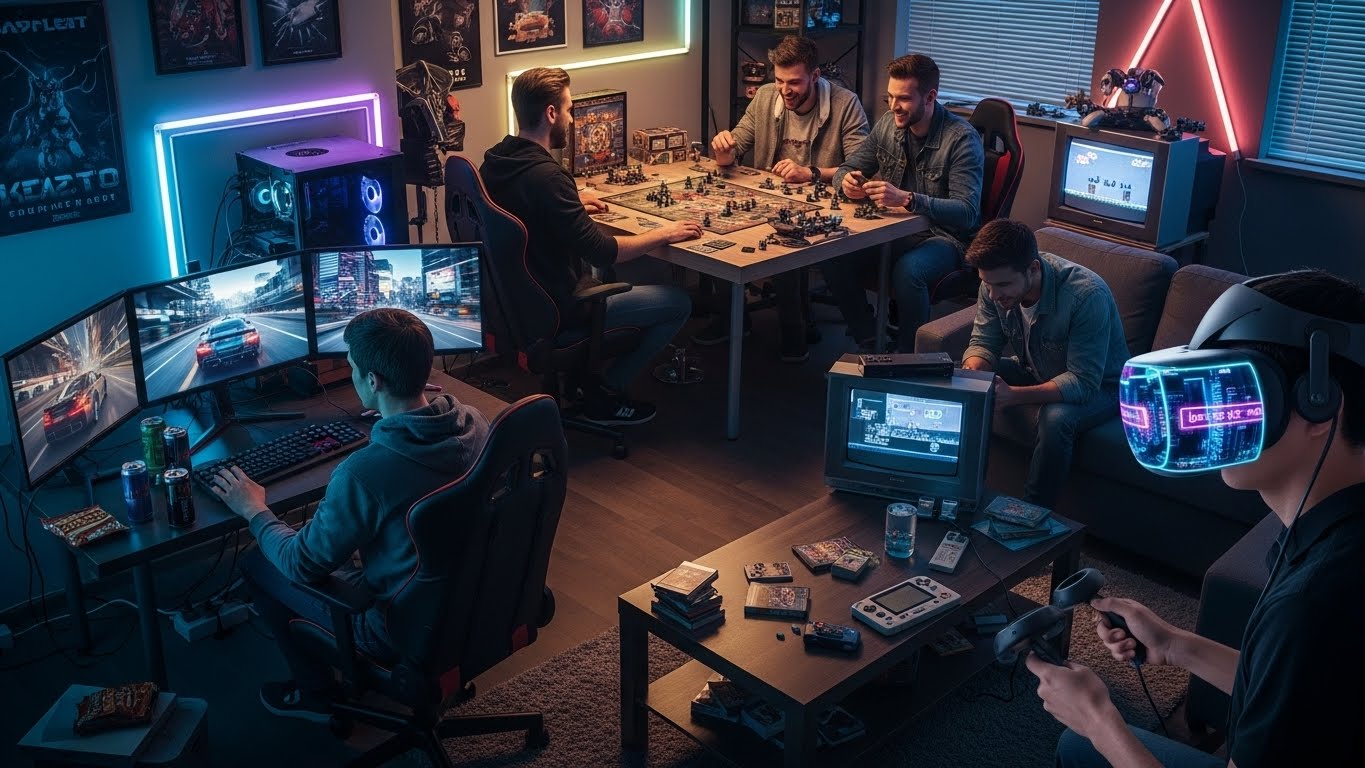
The future of gaming is entering a new dimension—literally. Virtual Reality (VR) and Augmented Reality (AR) are transforming the way players experience games. VR allows complete immersion, transporting players into worlds where they can move, explore, and interact naturally. AR, on the other hand, blends digital elements with the real world, as seen in games that bring creatures or objects to life in everyday surroundings.
These technologies promise a deeper level of engagement. As VR headsets and AR devices become more affordable, developers will continue creating groundbreaking experiences that merge physical and digital play. The boundary between reality and imagination grows thinner with each technological leap.
The Cultural and Artistic Influence of Games
Games are now recognized as an art form that combines visual design, storytelling, and music. They influence culture in ways once reserved for cinema or literature. Game-inspired art, music, and cosplay have become integral parts of popular culture. Major game releases are celebrated like film premieres, and their soundtracks are performed in concerts worldwide.
Gaming also influences fashion, technology, and even language. Phrases, gestures, and memes born from games spread through social media and become part of everyday conversation. What was once seen as a niche hobby has now become a defining element of global culture.
The Challenges of the Gaming World
Despite its success, the gaming world faces challenges that must be addressed responsibly. Issues such as online harassment, addiction, and unhealthy gaming habits have drawn concern. Developers and communities must work together to create safer and more inclusive spaces.
There are also debates about the balance between monetization and player experience. Practices like microtransactions and pay-to-win systems can harm the trust between players and developers. Transparency and fairness are essential to maintaining the integrity of gaming as a creative and enjoyable medium.
The Global Impact of Games on Society
Games influence more than just entertainment—they shape societies. They encourage collaboration, creativity, and innovation. Games have been used for social awareness, charity events, and mental health initiatives. They can inspire empathy, educate about history, and simulate complex social issues in ways that engage and inform.
In developing nations, gaming has created new industries and job opportunities. It has also served as a bridge between cultures, allowing players to connect and communicate beyond language barriers. In every corner of the world, games bring people together, proving that play is a universal human experience.
Conclusion
The journey of games from ancient pastimes to digital marvels reflects the evolution of human imagination and technology. What began as a simple way to pass time has become a complex and meaningful part of modern life. Games entertain, educate, and inspire. They connect people across continents, foster creativity, and provide new ways to experience stories and emotions.
As technology continues to advance, the world of games will expand even further. Whether through virtual reality, artificial intelligence, or new forms of interactive storytelling, gaming will continue to push boundaries and redefine what it means to play. Beyond the screen lies an infinite universe of imagination, waiting for players to explore. Games are no longer just games—they are reflections of our dreams, our intelligence, and our endless desire to create and connect.