gamechampion54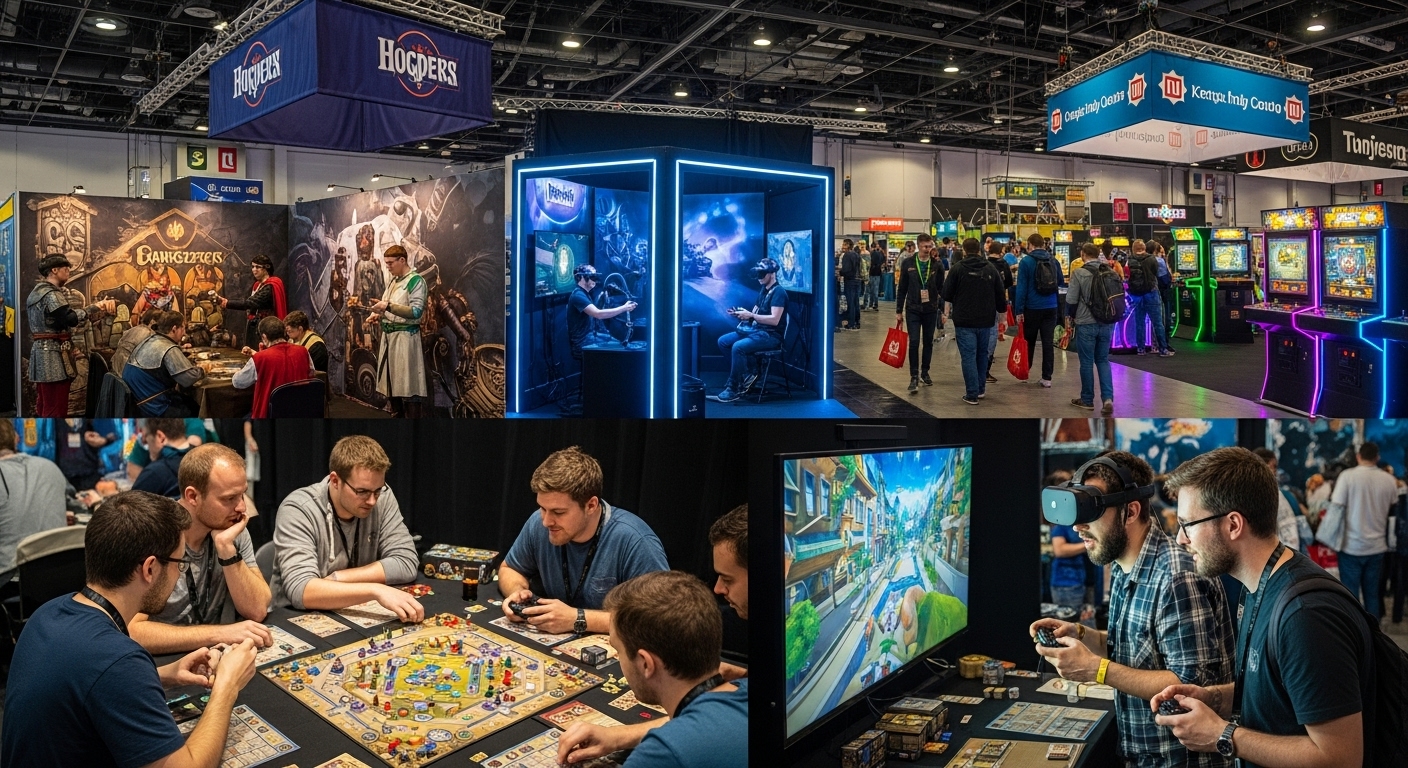
Introduction: A World Built on Play
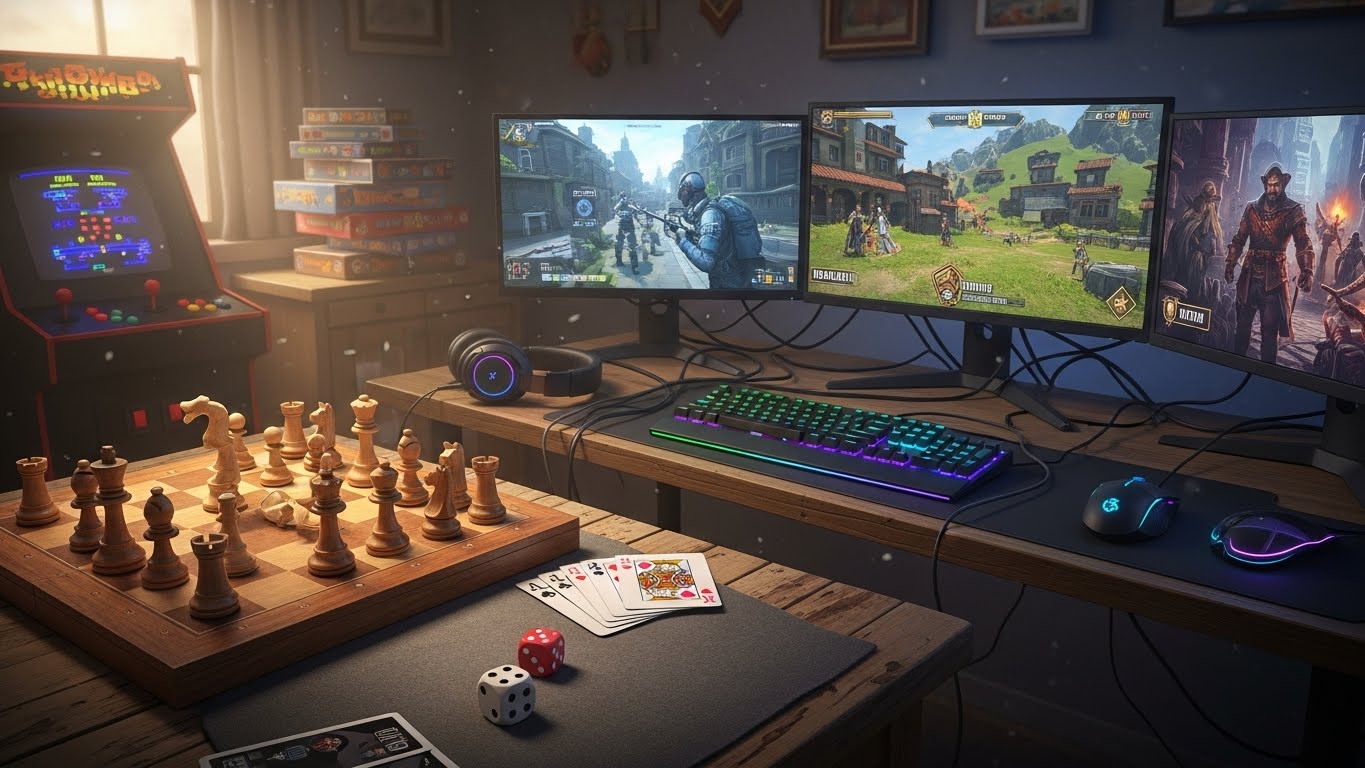
Games have always been more than just a source of entertainment; they are a reflection of human creativity, intelligence, and culture. From ancient board games carved into stone to the immersive digital worlds of today, gaming has evolved into a global phenomenon that transcends age, language, and geography. The power of play influences how we think, learn, and interact with others. Whether it is a child discovering strategy through chess or an adult finding relaxation in a mobile puzzle game, the essence of gaming connects us all.
The Origins of Gaming: From Ancient Pastimes to Modern Play
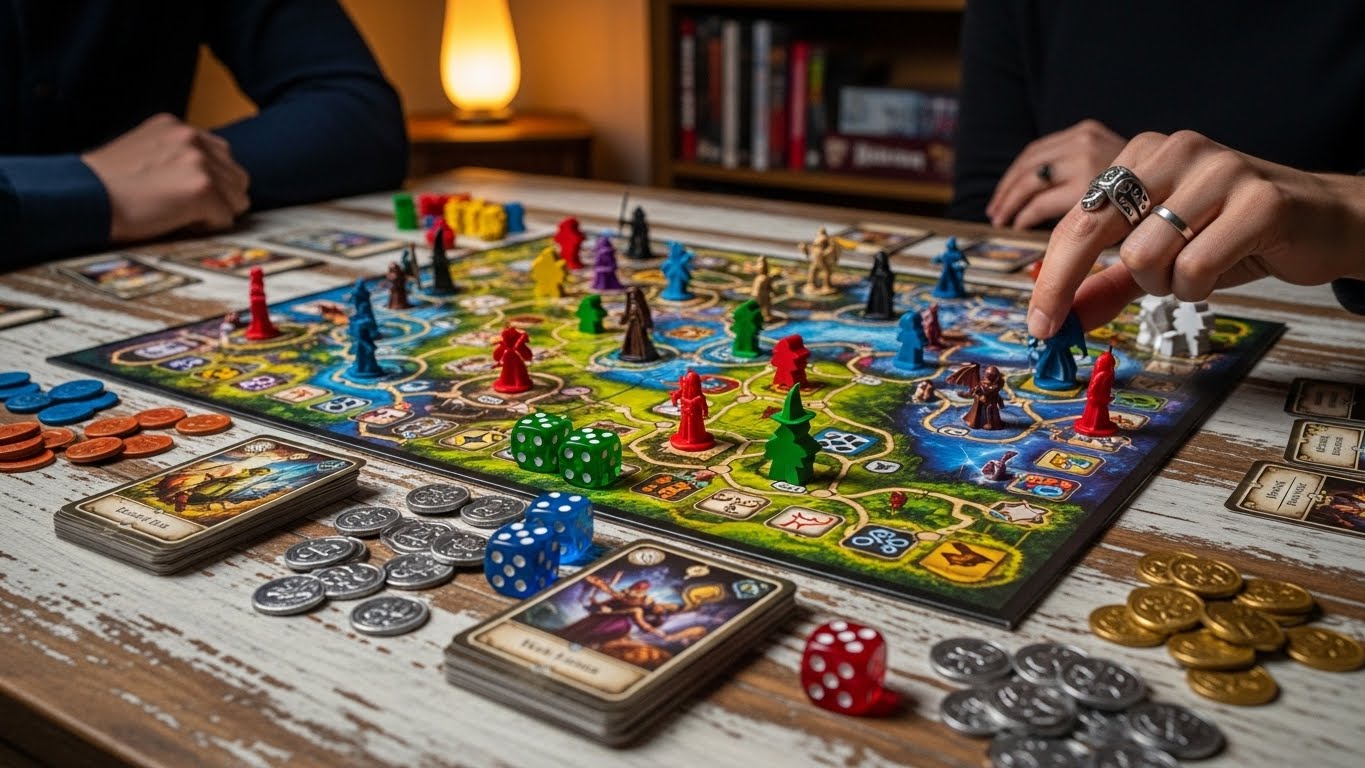
The history of games dates back thousands of years. Ancient civilizations such as Egypt, China, and Mesopotamia used games for leisure, education, and even spiritual purposes. The Royal Game of Ur, believed to be over 4,000 years old, is one of the earliest known board games. In China, Go and Mahjong became not only pastimes but also reflections of strategic thinking and social interaction.
As societies evolved, so did the complexity of their games. Card games emerged during the Middle Ages, spreading across continents and inspiring countless variations. The 19th and 20th centuries introduced iconic board games like Monopoly, Scrabble, and Chess tournaments, turning play into both a competitive and communal activity. The introduction of video games in the late 20th century marked the beginning of a new era, transforming gaming from a physical activity into a digital revolution.
The Digital Revolution: The Rise of Video Games
The invention of video games in the 1970s and 1980s changed entertainment forever. The early days were defined by simple yet captivating titles such as Pong and Space Invaders. As technology advanced, so did storytelling, graphics, and interactivity. The rise of home consoles like the Nintendo Entertainment System and PlayStation brought gaming into millions of households worldwide.
Video games became more than just leisure—they became art. Developers started crafting intricate narratives, emotional characters, and visually stunning worlds. Games like The Legend of Zelda, Final Fantasy, and Metal Gear Solid introduced deep storytelling that rivaled film and literature. Today, the gaming industry is one of the largest entertainment sectors in the world, surpassing even movies and music in annual revenue.
The Psychology of Gaming: Why We Love to Play
Games trigger fundamental aspects of human psychology. They challenge our minds, reward our progress, and provide an escape from daily stress. Psychologists have long studied why games are so captivating. The answer lies in motivation and reward. Games offer clear goals, instant feedback, and a sense of achievement that keeps players engaged.
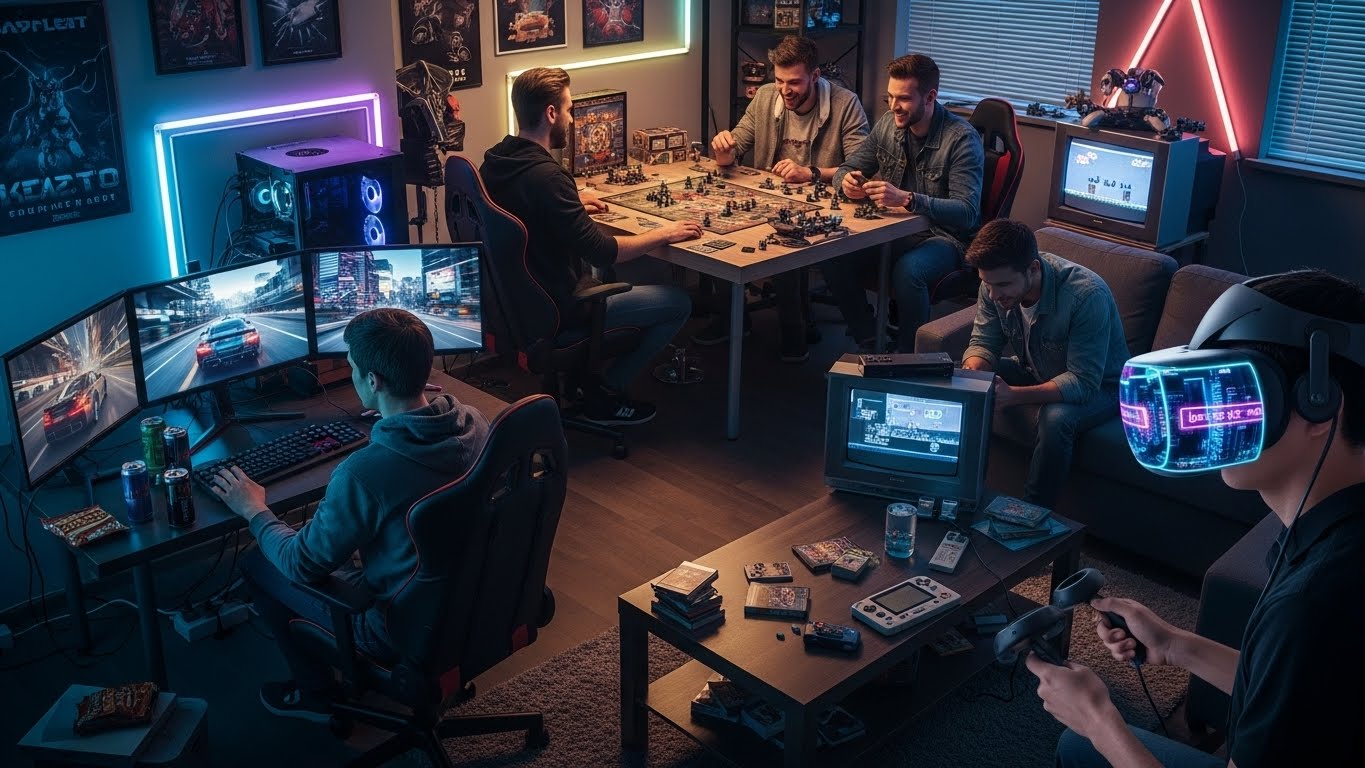
The concept of “flow,” a mental state where individuals are fully immersed in an activity, is often experienced during gaming. This state promotes focus, creativity, and satisfaction. Multiplayer games add a social dimension, enabling players to form communities, develop teamwork skills, and forge friendships that often extend beyond the virtual world.
The Educational Value of Games
Games are not just fun—they are powerful educational tools. Teachers and researchers increasingly recognize the benefits of “gamified learning,” where lessons are delivered through interactive, game-like systems. Educational games help students grasp complex concepts in science, history, and mathematics by turning learning into a hands-on experience.
Simulation games, for instance, allow players to experiment with real-world systems. A game like SimCity teaches players about urban planning, resource management, and environmental impact. Even puzzle games like Tetris or Sudoku sharpen problem-solving and cognitive skills. For younger audiences, educational games foster curiosity and creativity while making learning enjoyable.
The Social Connection: Building Communities Through Games
One of the most remarkable aspects of gaming is its ability to connect people. In the digital age, games have become virtual meeting places where friendships and communities thrive. Online multiplayer games like Fortnite, Minecraft, and Call of Duty attract millions of players who interact, compete, and collaborate in shared virtual spaces.
Social gaming platforms have transformed the way people communicate. Players from different countries and backgrounds can join forces, share strategies, and celebrate victories together. For many, gaming is not just about competition—it’s about belonging to a community that shares their passion.
The Artistic Side of Gaming: Where Creativity Meets Technology
Modern games are masterpieces of creativity and technology. Developers blend art, music, and storytelling to craft experiences that resonate emotionally with players. Games such as Journey, Ori and the Blind Forest, and The Last of Us are celebrated for their breathtaking visuals and deeply emotional narratives.
Sound design and music also play vital roles in setting the mood and tone of games. Composers like Nobuo Uematsu and Koji Kondo have created soundtracks that remain iconic even decades later. Visual artists and animators use cutting-edge technology to build immersive worlds where every detail contributes to the story.
This fusion of technology and artistry has positioned gaming as one of the most influential creative mediums of the 21st century. Just like movies and literature, games now inspire deep emotional connections and provoke thought on social, moral, and philosophical issues.
Economic Impact: Gaming as a Global Industry
The gaming industry has grown into a massive economic powerhouse. It generates billions of dollars annually and provides employment to millions across the world. Game development, design, marketing, and streaming have created vast career opportunities. Independent developers can now release games to global audiences without the need for major publishers, thanks to digital platforms.
In addition, the rise of competitive gaming, or esports, has turned skilled players into global celebrities. Professional gaming tournaments fill stadiums and attract millions of online viewers. This new form of digital competition has redefined what it means to be an athlete, blending skill, strategy, and entertainment.
Games and Technology: The Future of Interactive Entertainment
As technology evolves, so does the gaming experience. Virtual reality (VR), augmented reality (AR), and artificial intelligence (AI) are shaping the future of interactive entertainment. VR immerses players in lifelike digital worlds, while AR merges virtual elements with the real environment. AI enhances gameplay by creating smarter opponents and adaptive storylines that respond to player choices.
Cloud gaming is another transformative innovation. It allows players to stream high-quality games directly to their devices without the need for powerful hardware. This shift toward accessibility is making gaming more inclusive and affordable for millions worldwide.
The Role of Mobile Games in Everyday Life
Mobile gaming has democratized access to play. Smartphones have turned everyone into potential gamers, blurring the line between casual and hardcore players. Titles like Candy Crush, PUBG Mobile, and Clash of Clans have attracted massive audiences, proving that convenience and accessibility are key drivers of gaming’s growth.
Mobile games also fit seamlessly into modern lifestyles. They offer quick, engaging sessions that can be enjoyed anywhere—on commutes, during breaks, or at home. This flexibility has expanded the gaming demographic, reaching people who might never have considered themselves gamers in the past.
Gaming and Mental Health: The Double-Edged Sword
While games offer numerous cognitive and emotional benefits, balance is essential. Excessive gaming can lead to addiction and social isolation. However, when enjoyed responsibly, gaming can actually promote mental well-being. Studies show that moderate gaming reduces stress, improves mood, and enhances cognitive flexibility.
Certain games are even designed specifically for mental health support. Mindfulness-based and puzzle-solving games encourage relaxation and focus. Online cooperative play can alleviate loneliness by fostering real social connections. The key lies in moderation and awareness of gaming habits.
The Cultural Influence of Games
Games have become cultural touchstones that shape fashion, language, and art. Popular game characters and symbols have entered mainstream culture, influencing movies, television, and music. Franchises like Mario, Pokémon, and Halo have achieved global recognition, symbolizing creativity and nostalgia for multiple generations.
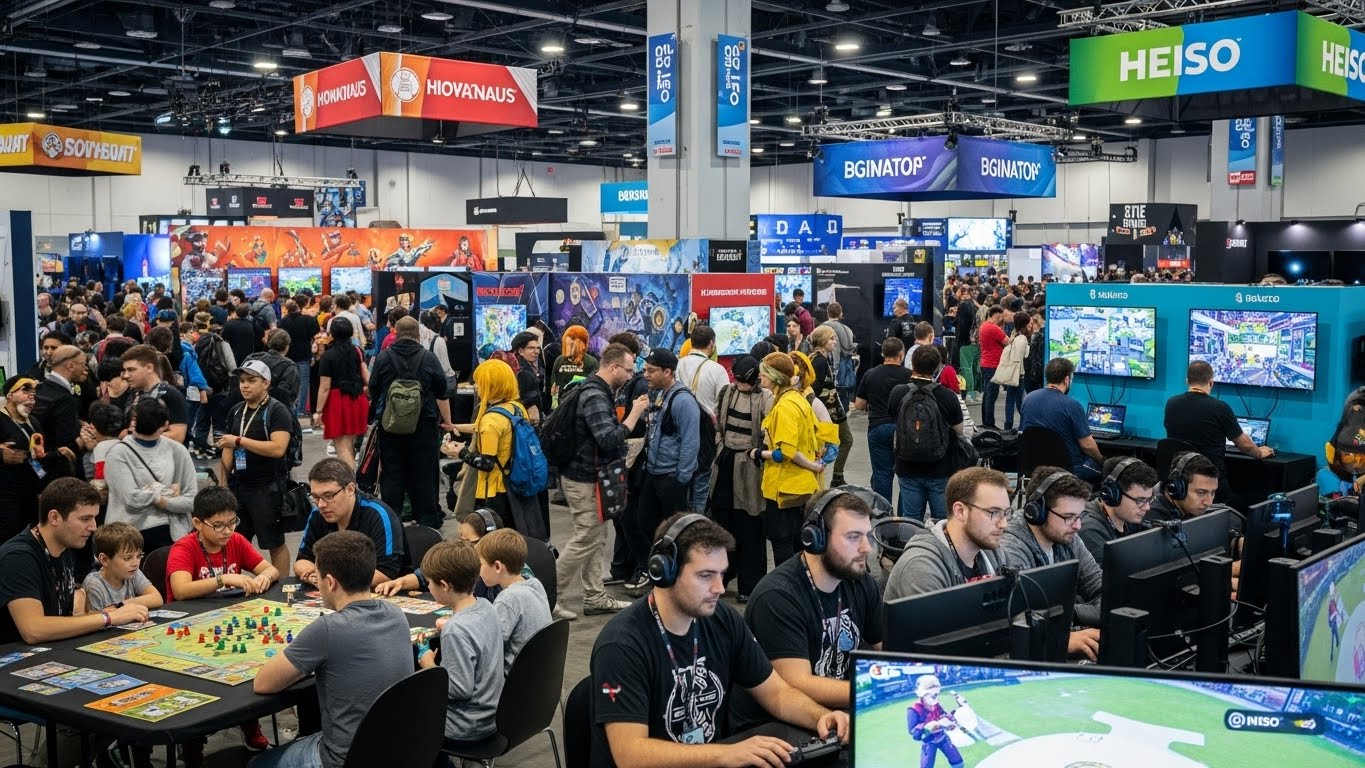
Gaming conventions and cosplay events further illustrate the cultural impact of games. Fans express their passion through costumes, artwork, and fanfiction, blurring the lines between creators and audiences. This participatory culture highlights how games are not just consumed—they are lived, shared, and celebrated.
The Future of Gaming: Beyond Imagination
Looking ahead, the future of gaming is filled with endless possibilities. Artificial intelligence will create more dynamic and personalized experiences. Virtual and augmented reality will make gaming worlds more immersive and interactive. Cross-platform play will unite players regardless of device or location, ensuring that gaming remains a universal language of play.
Developers are also focusing on inclusivity and representation. Games are becoming more diverse, featuring characters and stories that reflect the richness of human experience. Accessibility features ensure that players with disabilities can fully enjoy gaming, reinforcing the idea that play should be for everyone.
Conclusion: The Endless Journey of Play
Games have evolved from simple pastimes into one of the most powerful cultural forces of our time. They teach us strategy, cooperation, empathy, and creativity. They bring people together, inspire innovation, and provide escape and comfort in an increasingly complex world.
As technology continues to advance, the boundaries of gaming will expand even further. But no matter how sophisticated the graphics or mechanics become, the heart of gaming will always remain the same—the joy of play, the thrill of challenge, and the magic of imagination. The world of games is not just about pixels and scores; it is a celebration of human creativity, a bridge between generations, and a glimpse into the limitless potential of the human mind.