gamechampion54
Introduction: The Ever-Changing World of Games
Games have been an integral part of human culture for thousands of years, evolving from ancient playground games to sophisticated digital experiences. The rise of modern technology has transformed how we play, from traditional board games to immersive virtual worlds. Today, games are not only a source of entertainment but also a means of education, social connection, and even a new form of art. This blog explores the fascinating evolution of games, from their origins to the revolutionary trends shaping the future of gaming.
The Ancient Beginnings: Games as Cultural Milestones
The history of games dates back to ancient civilizations. Games such as Senet in ancient Egypt, Go in China, and the Royal Game of Ur in Mesopotamia show that the human desire to play and compete spans across cultures and millennia. These early games were not just forms of entertainment but also had symbolic or educational purposes. For instance, Senet was believed to have spiritual significance, and Go was a strategy game that taught discipline and foresight.
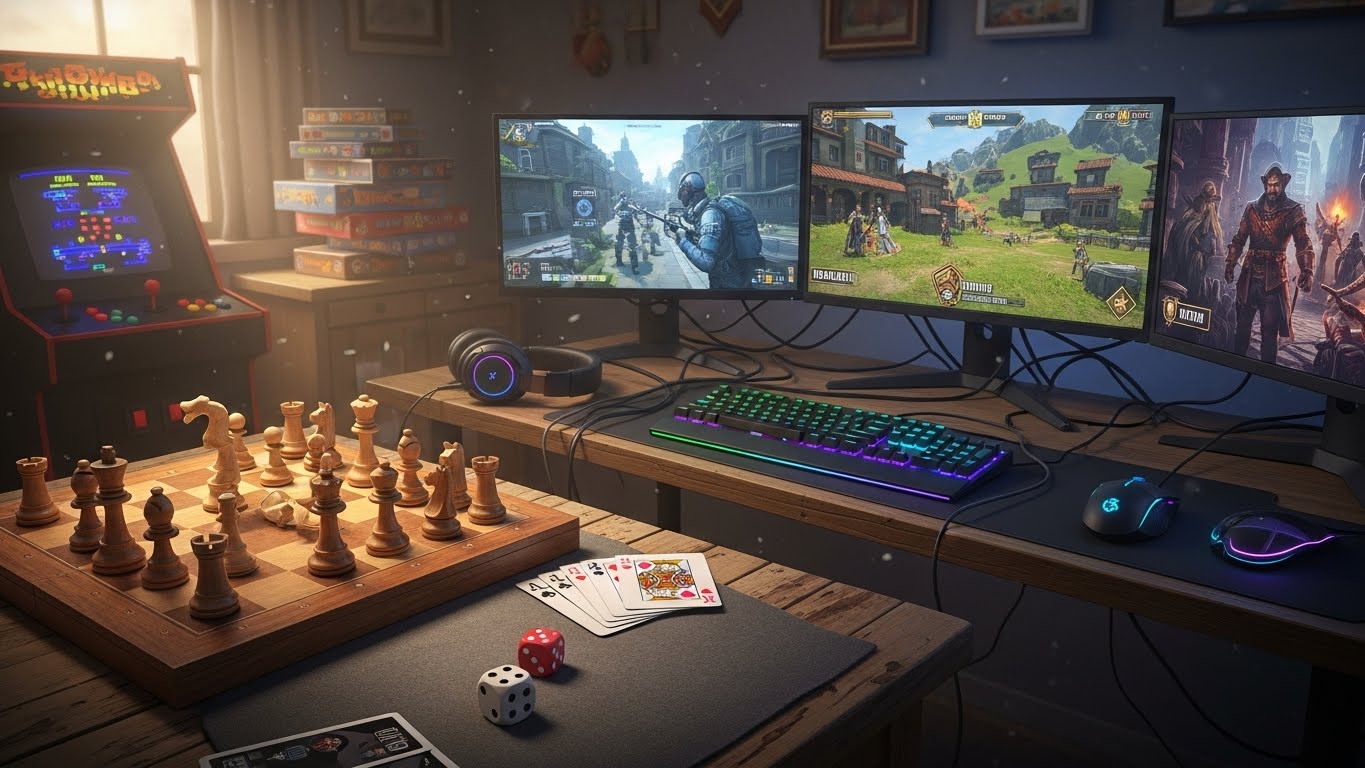
As time progressed, games evolved to suit the needs of different societies. The medieval era introduced games like chess, which is still popular today and is considered one of the greatest strategy games ever created. Board games became a medium for developing mental skills such as critical thinking and planning, laying the foundation for the gaming experiences we enjoy today.
The Rise of Video Games: A New Digital Frontier
The 20th century marked the beginning of a new chapter in the world of games with the invention of video games. It all started with simple arcade games in the 1970s, such as Pong, Space Invaders, and Pac-Man. These early video games were a revolutionary leap forward, offering a new kind of interactive experience. Players no longer had to rely on physical boards or dice; instead, they could control digital characters or objects on a screen, using joysticks and buttons.
The 1980s and 1990s saw the rise of home gaming consoles like the Nintendo Entertainment System (NES), Sega Genesis, and PlayStation. These consoles brought video games into households across the globe, creating a new entertainment industry. Titles like Super Mario Bros., The Legend of Zelda, and Street Fighter became iconic, drawing millions of players into the world of digital gaming. The graphics and gameplay became more complex, and video games began to capture the imagination of all age groups, from young children to adults.
The Online Revolution: Connecting the World Through Gaming
The early 2000s marked a significant shift in the gaming world: the rise of online multiplayer gaming. With the advent of high-speed internet connections and the development of more powerful gaming consoles and PCs, players could now connect with others from around the world in real time. Games like World of Warcraft, Halo 2, and Counter-Strike became the pioneers of online multiplayer experiences, where players could form teams, compete against others, and create global gaming communities.
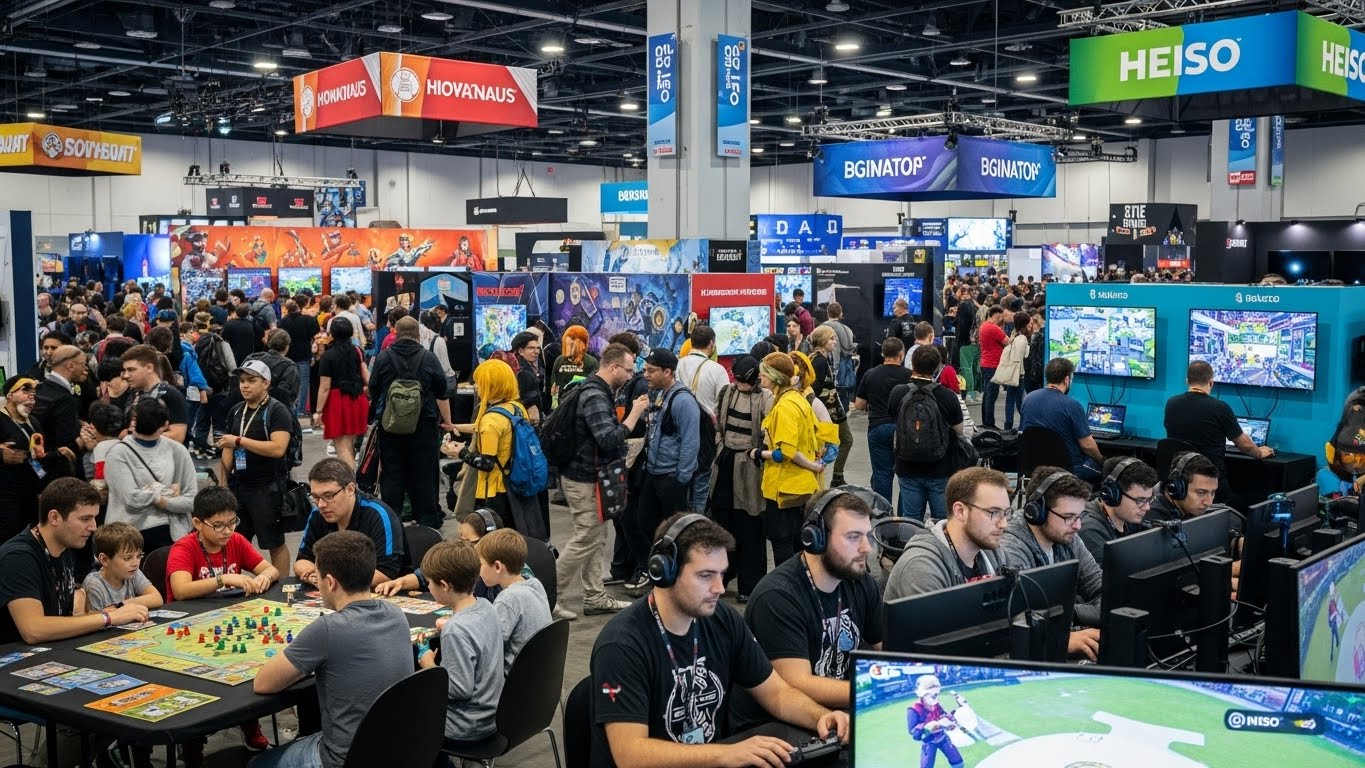
The development of online gaming opened the door to a whole new social dimension of gaming. Players could now interact, cooperate, and compete with individuals from different countries, fostering a sense of global community. The rise of esports, or competitive gaming, further cemented the importance of online play. Today, esports tournaments draw millions of viewers, and professional gamers have become celebrities in their own right.
Mobile Gaming: Gaming on the Go
In the 2010s, mobile gaming became a dominant force in the gaming industry. With the proliferation of smartphones and tablets, gaming was no longer limited to consoles or PCs. Games like Candy Crush, Angry Birds, and Clash of Clans introduced a new generation of players to the world of digital entertainment. These games were designed to be accessible, quick, and easy to play, offering bite-sized experiences that could be enjoyed anywhere.
Mobile gaming revolutionized the industry by making games available to a much larger audience. No longer did players need expensive gaming consoles or PCs; they only needed a smartphone. This democratization of gaming opened up the world of digital play to people of all ages, backgrounds, and income levels. Mobile gaming continues to grow, with titles like Pokémon Go, PUBG Mobile, and Fortnite drawing millions of daily players.
The Impact of Graphics and Virtual Realities
As technology continued to advance, so did the complexity and realism of video games. The late 2000s and 2010s saw major advancements in graphics, thanks to powerful gaming PCs and consoles. Games began to offer highly detailed, lifelike environments that blurred the line between reality and virtual worlds. The development of photorealistic graphics in games like Red Dead Redemption 2, The Witcher 3, and Grand Theft Auto V showcased the potential for games to tell complex stories and create immersive environments.
Virtual Reality (VR) and Augmented Reality (AR) have also pushed the boundaries of gaming even further. VR offers a fully immersive experience by placing players inside a 3D world, while AR blends digital elements with the real world, as seen in games like Pokémon Go. These technologies have the potential to transform gaming into an experience that is indistinguishable from real life, opening up new opportunities for creativity and interactivity.
Esports: The Rise of Competitive Gaming
Esports has emerged as one of the most significant developments in the gaming world. What was once a niche hobby has now become a global industry worth billions of dollars. Competitive gaming tournaments, such as those for games like League of Legends, Dota 2, and Fortnite, attract massive audiences both online and in person. Professional gamers are now considered athletes, with teams, sponsors, and millions of dollars in prize money.
The success of esports has reshaped the entertainment landscape, with gaming content becoming one of the most-watched genres on platforms like Twitch and YouTube. Esports tournaments fill massive stadiums, and viewers tune in to watch their favorite players and teams battle it out for glory. Esports is not only a source of entertainment but also an opportunity for gamers to turn their passion into a career, further elevating gaming as a legitimate form of professional competition.
The Social and Psychological Benefits of Gaming
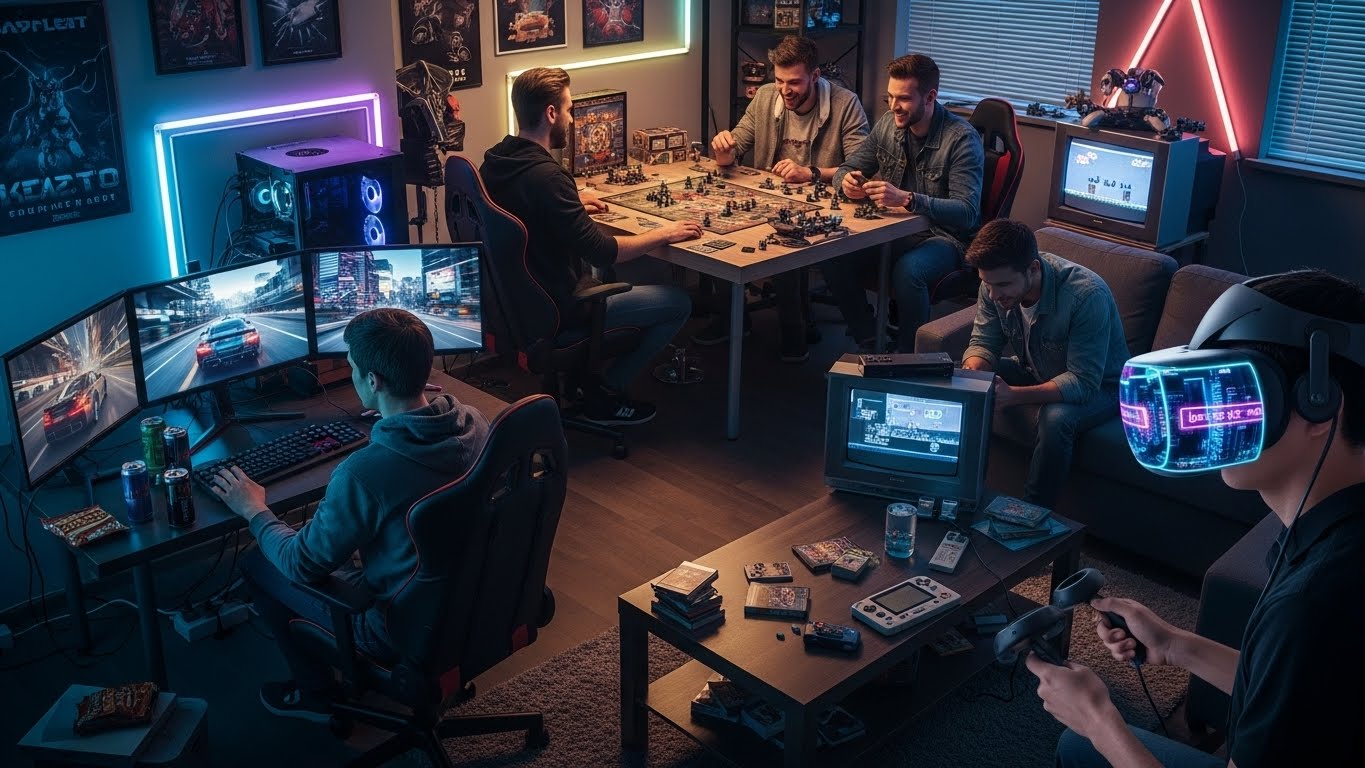
Gaming is not only a source of entertainment but also offers significant social and psychological benefits. Many games promote teamwork, collaboration, and communication, as players work together to achieve common goals. This is especially evident in multiplayer games like Fortnite, Overwatch, and Minecraft, where teamwork is crucial to success. Players learn to strategize, cooperate, and build relationships with others in virtual environments, which can translate to valuable skills in real life.
Games also provide a sense of achievement, helping players to set goals and work towards them. Achieving milestones in a game, whether it’s leveling up, completing a difficult challenge, or unlocking a rare item, can offer a sense of satisfaction and accomplishment. For many players, gaming offers an escape from the stresses of daily life, providing a safe space to relax, unwind, and have fun.
The Future of Gaming: What’s Next?
The future of gaming is an exciting frontier full of possibilities. As technology continues to evolve, so too will the ways in which we play. Artificial intelligence (AI) is expected to play a larger role in gaming, enabling more dynamic and responsive gameplay. Games will become even more personalized, with AI-driven storylines and adaptive difficulty levels that respond to individual players’ actions and skills.
Cloud gaming is another trend that is gaining momentum. With the advent of cloud-based platforms, players will no longer need high-end hardware to play demanding games. Instead, games will be streamed directly from the cloud, allowing players to enjoy high-quality experiences on any device with an internet connection. This could revolutionize the way we play, making gaming more accessible than ever before.
Conclusion: Gaming’s Endless Potential
From its humble beginnings to its current status as a global entertainment powerhouse, gaming has come a long way. It has evolved from simple board games and arcade machines to complex digital universes and immersive virtual experiences. Gaming has the power to bring people together, foster creativity, and push the boundaries of technology and storytelling.
As we look to the future, it is clear that gaming will continue to evolve in exciting new directions. Whether through virtual reality, esports, or the continued rise of mobile gaming, the world of games will remain a dynamic and ever-changing part of our cultural landscape. One thing is certain: the power of play will always be with us, shaping how we connect, learn, and experience the world around us.