gamechampion54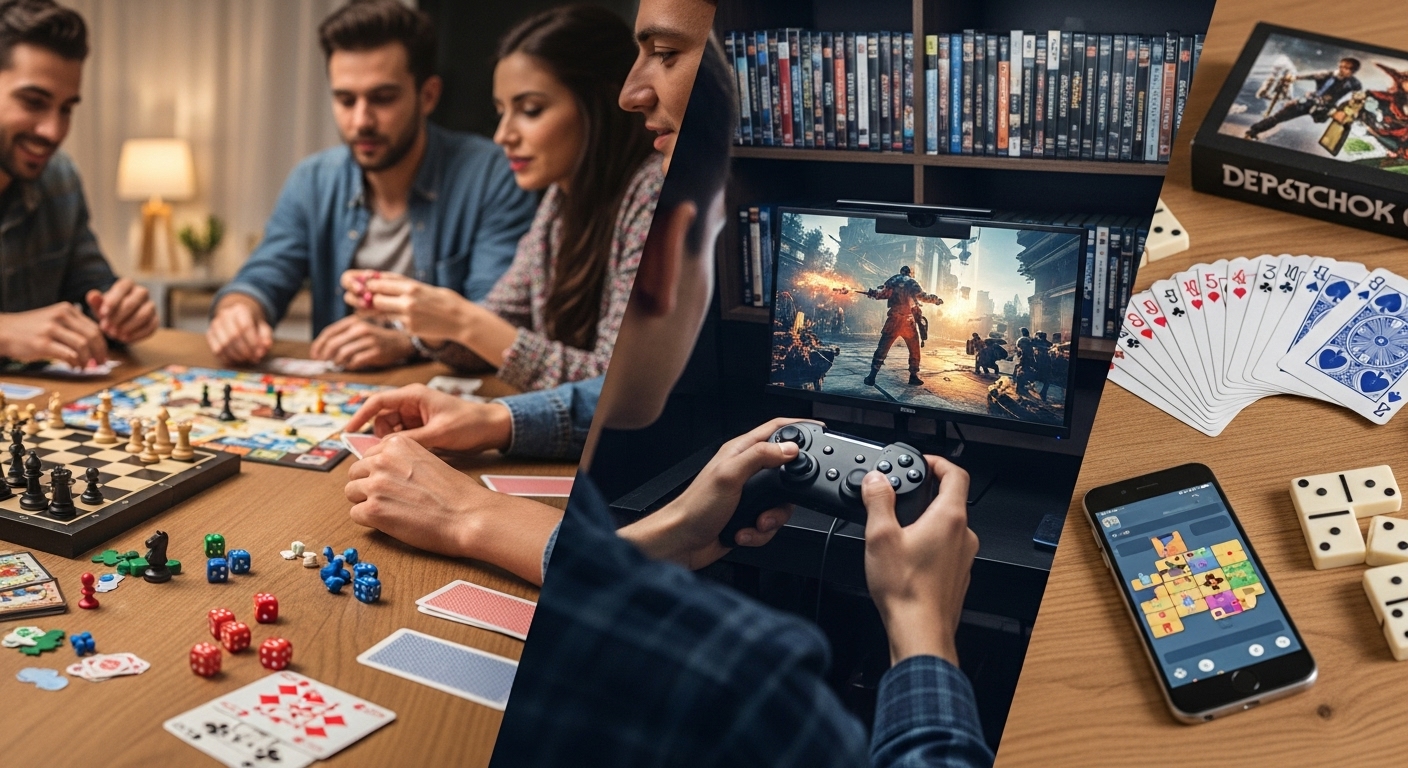
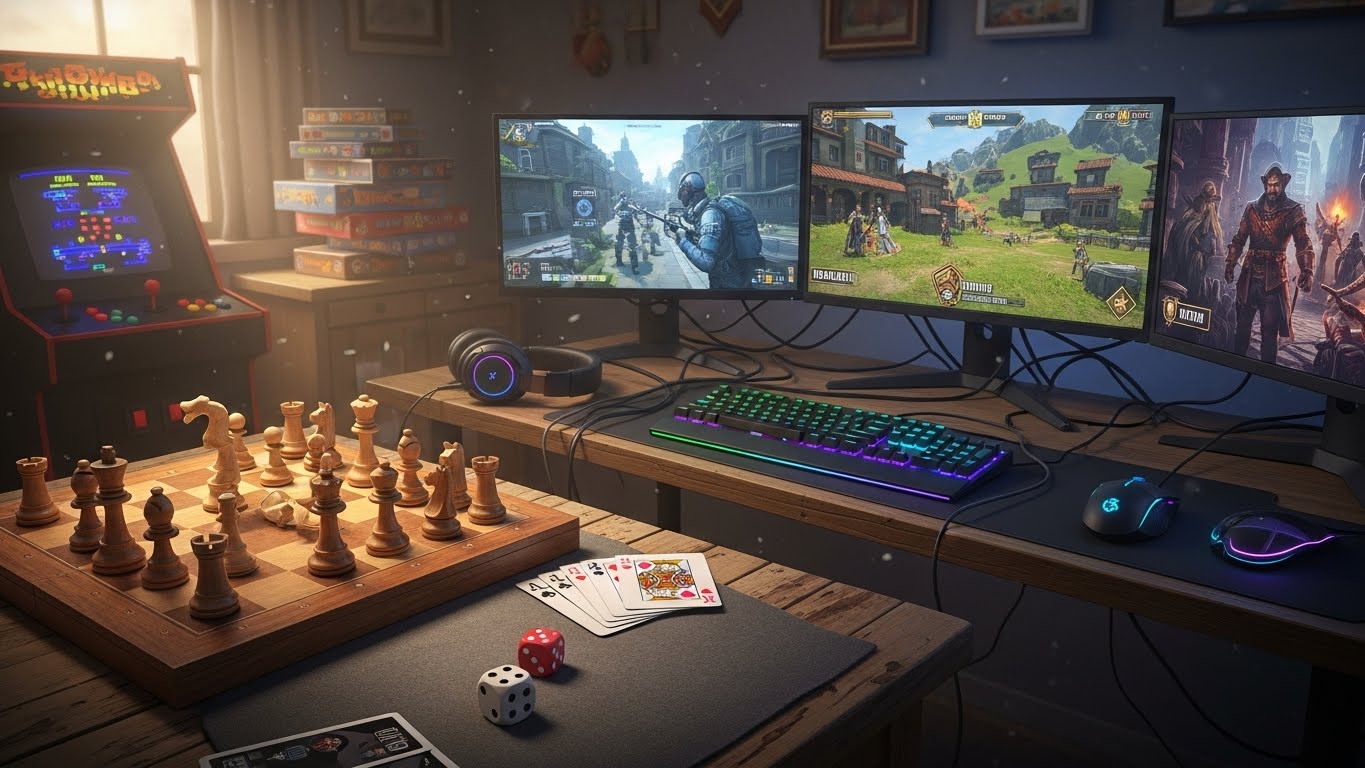
Games have been an intrinsic part of human culture for centuries, evolving from simple physical activities to complex digital experiences that connect millions of people around the world. Whether it’s a game of chess, a football match in the park, or an immersive virtual reality experience, games have the power to entertain, challenge, and unite. In this blog post, we’ll dive into the fascinating world of games, exploring their history, the rise of digital gaming, the impact of games on society, and the future of interactive entertainment.
The Origins of Games: A Journey Through Time
The concept of games is as old as civilization itself. The earliest recorded games date back to ancient Egypt, where games like Senet were played by pharaohs and nobility. Senet, a board game involving strategy and chance, is considered one of the oldest known games in history, dating back to around 3100 BC. These early games were often more than just pastimes—they were used as tools for learning, decision-making, and even spiritual practices.
As time progressed, games spread across different cultures, evolving in form and function. Ancient civilizations such as the Greeks and Romans played games like dice, knucklebones, and early versions of board games. The Chinese invented the game of Go over 2,500 years ago, a game of pure strategy that is still widely played today.
By the 19th century, games began to take on more structured forms. Board games such as chess, checkers, and backgammon became staples in many households. The industrial revolution led to the mass production of games, making them more accessible to the general public. Monopoly, which was first introduced in the early 20th century, became one of the most iconic and successful board games in history.
The Rise of Digital Gaming: A New Era
The 20th century saw the introduction of digital technology, which revolutionized the world of games. Video games, once a niche hobby for a select group of enthusiasts, quickly became a mainstream form of entertainment. The first commercially successful video game, Pong, was released by Atari in 1972. The simple game, which involved two paddles bouncing a ball back and forth, laid the foundation for the arcade gaming industry.
In the 1980s, the gaming landscape underwent another significant transformation with the release of home gaming consoles. The Nintendo Entertainment System (NES) debuted in 1985, bringing games like Super Mario Bros. and The Legend of Zelda into people’s homes. These games were more complex and immersive than their arcade predecessors, offering a level of entertainment that had never been seen before.
The 1990s saw the introduction of 3D gaming, with titles like Super Mario 64 and Final Fantasy VII pushing the boundaries of graphics and storytelling. This era also marked the rise of the internet, which would eventually change the way people played games. Online multiplayer games, such as Warcraft and EverQuest, allowed players to connect with others around the world, forming the foundation for the massive online gaming community we have today.
The Impact of Games on Society
Games have long been a reflection of society, influencing culture and vice versa. In recent years, video games have become more than just a form of entertainment—they have become a social and cultural force in their own right. With the rise of online multiplayer games, games have fostered a sense of community and social interaction among players, often forming long-lasting friendships and networks.
In addition to social connectivity, games have also impacted the way we approach education, work, and personal development. Many modern games are designed with complex mechanics, problem-solving elements, and strategic thinking, offering players the opportunity to develop valuable cognitive skills. Games like Minecraft and SimCity promote creativity, critical thinking, and resource management, while puzzle games like Tetris challenge spatial reasoning.
Furthermore, the gaming industry has become a significant economic force. The global video game market was valued at over $150 billion in 2020, and the industry continues to grow. The development of video games, from indie games to AAA titles, has created millions of jobs worldwide, spanning various sectors, including design, coding, marketing, and production.
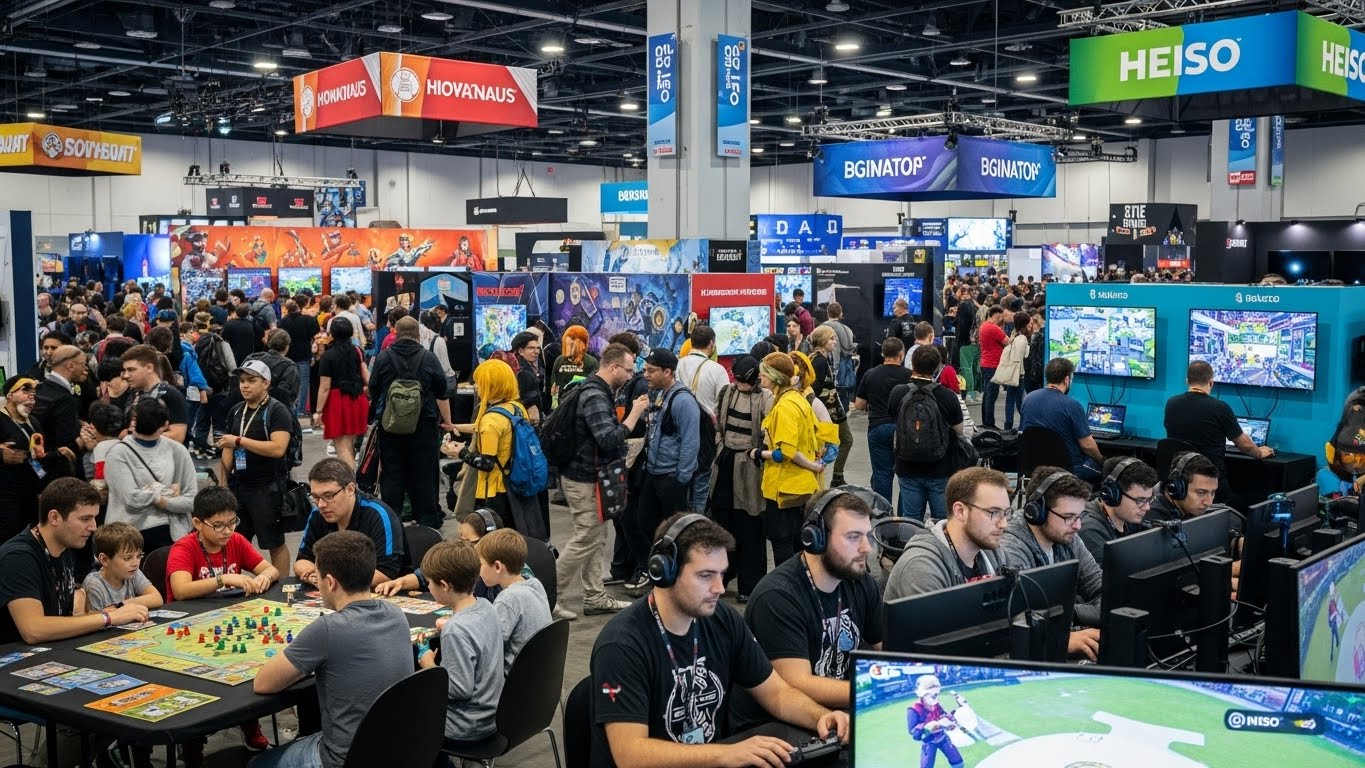
The rise of esports has further elevated the role of games in society. Esports, or competitive video gaming, has grown into a multi-billion-dollar industry, with tournaments like The International (the world championship for Dota 2) offering prize pools in the tens of millions of dollars. Professional gamers now have the potential to earn significant incomes, and esports leagues and events are regularly broadcasted on television and streaming platforms, drawing in millions of viewers.
Types of Games: A Diverse Universe of Entertainment
One of the most exciting aspects of the gaming world is its diversity. From traditional board games to cutting-edge virtual reality experiences, the range of games available is staggering. Let’s take a closer look at some of the most popular types of games today.
1. Video Games
Video games, in all their forms, are arguably the most well-known and widely played type of game today. These include everything from fast-paced action games and first-person shooters to sprawling open-world adventures and story-driven role-playing games. Some of the most iconic franchises in the gaming world, such as Call of Duty, The Elder Scrolls, Grand Theft Auto, and Pokémon, have become household names, offering hours of entertainment to millions of players.
Modern video games have become highly immersive experiences, with stunning graphics, intricate narratives, and complex gameplay mechanics. Many video games today are designed with extensive replay value, offering players new challenges, missions, and unlockable content to keep them engaged for years after release.
2. Mobile Games
With the rise of smartphones, mobile gaming has become one of the largest sectors in the gaming industry. Mobile games are accessible, easy to play, and often free-to-play, making them appealing to a wide audience. Games like Candy Crush, Clash of Clans, and Pokémon Go have amassed millions of downloads, attracting players from all walks of life.
Mobile gaming has made it possible for people to enjoy games on the go, whether they’re waiting in line, commuting to work, or simply relaxing at home. Mobile games range from simple puzzle games to more complex strategy and simulation games, offering something for everyone.
3. Board Games
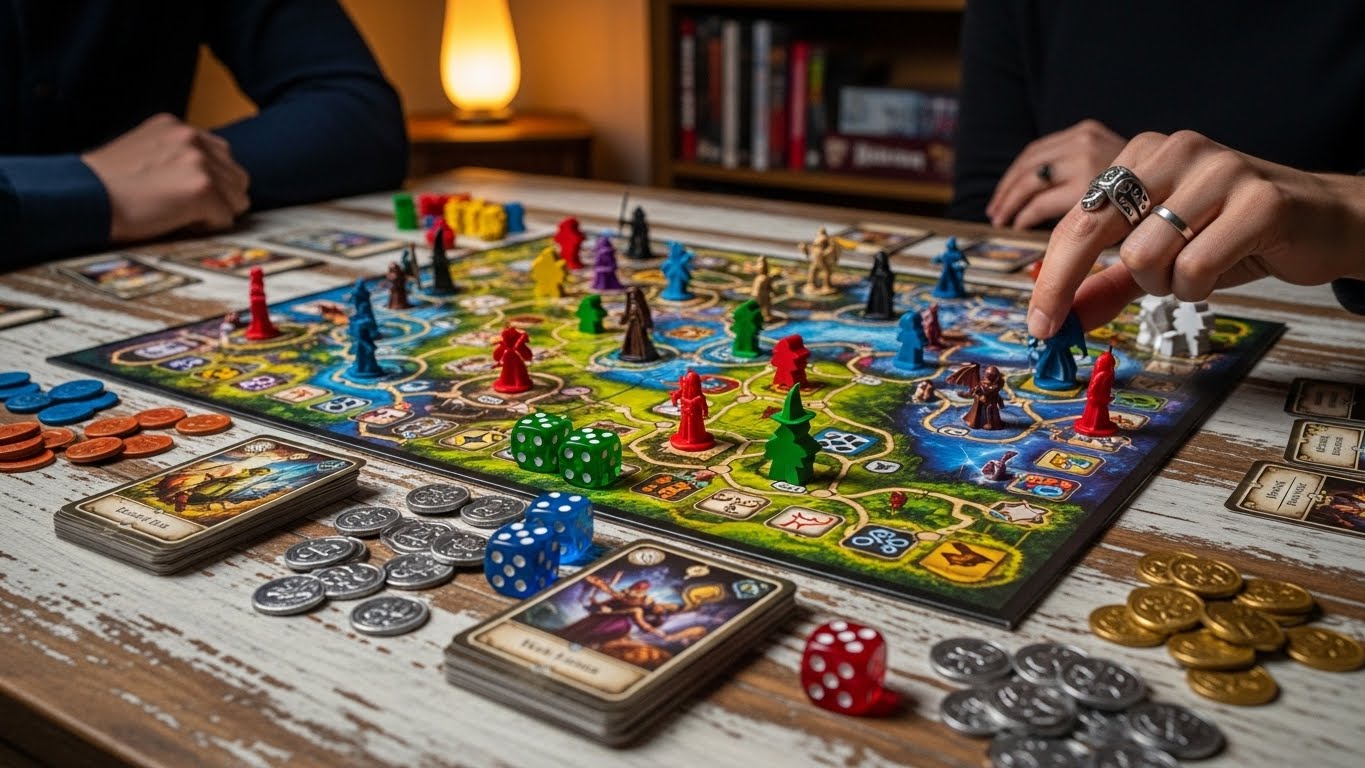
While digital gaming may dominate the modern gaming landscape, board games remain a beloved pastime for millions of people around the world. Board games like Settlers of Catan, Risk, Scrabble, and Codenames offer a tactile, social gaming experience that digital games cannot replicate.
Board games foster face-to-face interaction, which makes them a great way to bond with friends and family. Many new board games incorporate complex strategies, detailed worlds, and innovative mechanics, making them just as engaging as digital games. The resurgence of interest in tabletop games has even led to the rise of “board game cafes” where players can gather and enjoy their favorite games.
4. Sports Games
Sports games have long been a staple of the gaming world. Whether it’s a football simulation like FIFA, a basketball game like NBA 2K, or a racing game like Gran Turismo, sports games allow players to experience their favorite sports in a digital form. These games offer the excitement of real-life sports while adding an extra layer of customization, strategy, and accessibility.
With advancements in technology, sports games have become increasingly realistic, offering players lifelike graphics, player animations, and AI-driven gameplay. Online multiplayer modes allow players to compete with others around the world, recreating the thrill of real-world competition.
5. Role-Playing Games (RPGs)
Role-playing games (RPGs) have a unique place in the world of games. In RPGs, players take on the role of a character and immerse themselves in a fictional world, making decisions that affect the narrative and character development. Some of the most beloved RPGs include The Witcher 3: Wild Hunt, Final Fantasy, The Elder Scrolls V: Skyrim, and Dark Souls.
RPGs are known for their deep storylines, expansive worlds, and character customization. Players can often choose from various classes, abilities, and moral paths, shaping the world around them with their decisions. The ability to explore a virtual world at one’s own pace while engaging in combat, puzzle-solving, and storytelling makes RPGs one of the most popular genres in gaming.
The Future of Games: Virtual Reality and Beyond
As technology continues to evolve, the future of games is filled with exciting possibilities. Virtual reality (VR) and augmented reality (AR) are already starting to change the way we experience games. With VR headsets, players can step into fully immersive, 3D environments, allowing for a level of interaction and realism never before possible.
In addition, the rise of cloud gaming promises to revolutionize the way people play games. Services like Google Stadia and Microsoft xCloud enable players to stream games directly to their devices without the need for powerful hardware. This could make gaming more accessible than ever before, eliminating the barriers posed by expensive gaming consoles or PCs.
Furthermore, artificial intelligence (AI) is likely to play a larger role in the future of games. AI can create more dynamic and responsive game worlds, where non-playable characters (NPCs) react to player decisions in real-time. This could lead to more personalized and immersive gaming experiences that are constantly evolving based on player choices.
Conclusion
Games have come a long way from their humble beginnings, evolving into one of the most influential forms of entertainment in the world. From board games to video games, mobile gaming to esports, games have captured the imaginations of millions. The gaming industry has not only provided entertainment but also fostered social connections, education, and personal development.