gamechampion54
Introduction The Importance of Games in Human Life
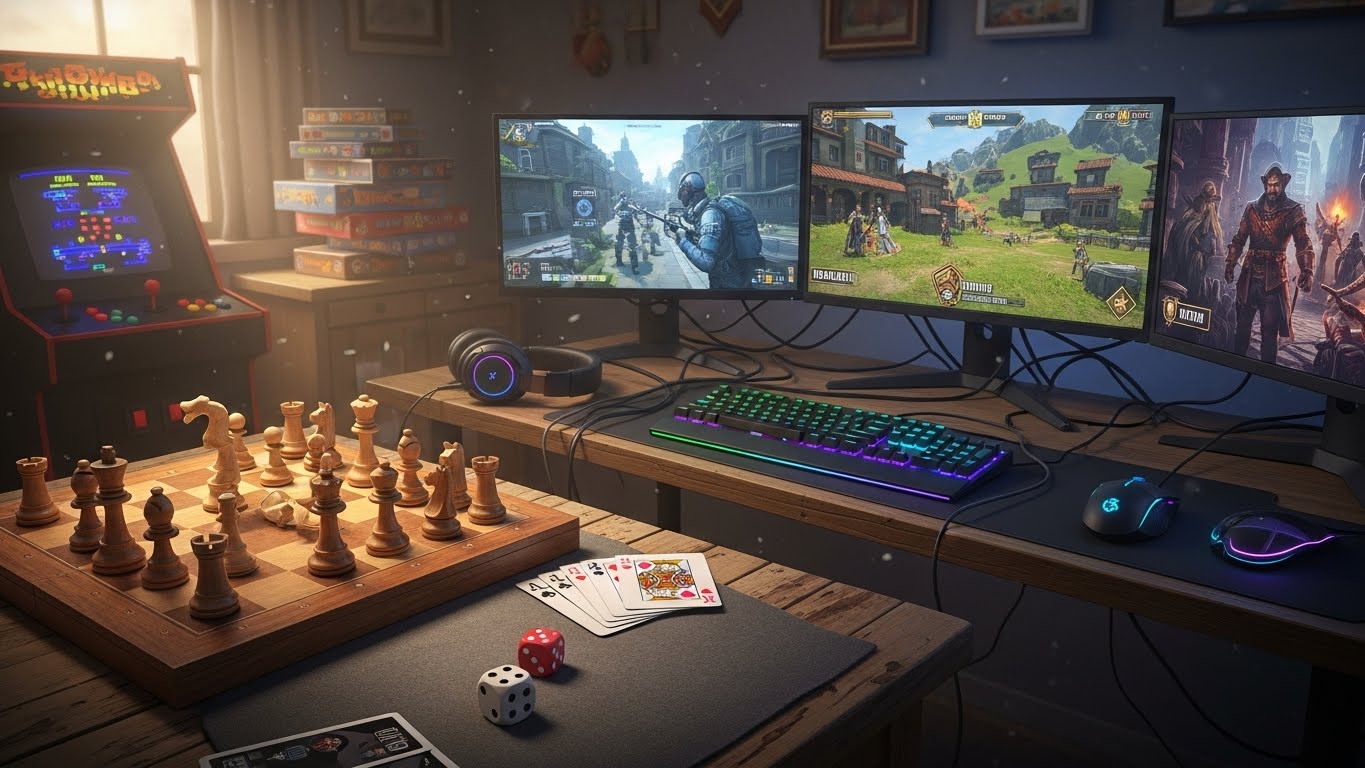
Games are more than just a pastime; they are a reflection of human creativity, competition, and social interaction. Throughout history, games have entertained, educated, and connected people across cultures and generations. From simple board games played around a table to immersive digital experiences, games have evolved into a multifaceted form of entertainment. They challenge our minds, develop strategic thinking, enhance social skills, and even foster emotional resilience. Exploring the world of games reveals not only the diversity of play but also the significant impact games have on culture, technology, and human interaction.
The Origins of Games From Ancient Pastimes to Modern Entertainment
Games have been an integral part of human civilization for thousands of years. Ancient societies played board games, dice games, and physical competitions that tested skill, strategy, and luck. Games like chess, Go, and Senet were not only recreational but also tools for teaching logic, decision-making, and critical thinking.
Physical games and sports were equally important, promoting physical fitness, teamwork, and social bonding. Over time, games evolved alongside human society, adapting to new materials, technologies, and cultural preferences. These early games laid the foundation for modern entertainment, showing that play has always been a universal human need.
The Evolution of Digital Games Technology and Innovation
The introduction of electronic gaming marked a revolutionary shift in how games are created and played. Early arcade machines and home consoles brought interactive entertainment to households around the world. These early digital games were simple in design but captured the imagination of millions.
As technology progressed, games became more sophisticated. High-definition graphics, complex storylines, and multiplayer connectivity transformed gaming into an immersive experience. Virtual reality, augmented reality, and cloud gaming now allow players to explore interactive worlds, solve puzzles, and compete globally. Technology has expanded the possibilities of play, making games an ever-evolving form of entertainment.
Types of Games Exploring Diverse Experiences
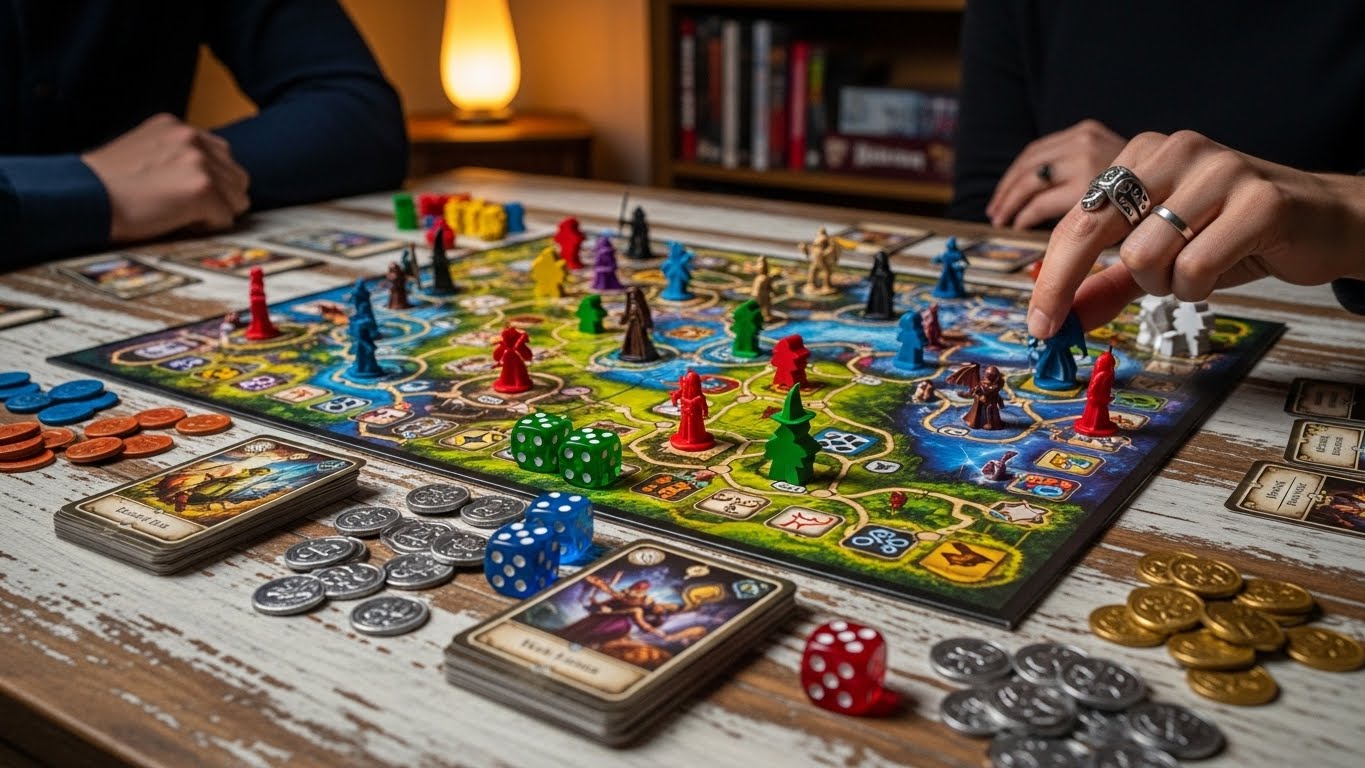
Games come in a wide variety of genres, each offering unique experiences and challenges. Board games and card games promote strategic thinking, memory, and social interaction. Puzzle games develop problem-solving skills, creativity, and logical reasoning. Action games test reflexes, hand-eye coordination, and decision-making under pressure.
Role-playing games immerse players in story-driven adventures, encouraging exploration, character development, and moral decision-making. Simulation games replicate real-life scenarios, allowing players to manage cities, farms, or businesses. Sports games bring competitive experiences to digital platforms, while casual mobile games provide quick entertainment accessible to all ages. The variety of games ensures that there is something for every type of player.
Cognitive Benefits of Games Sharpening the Mind
Playing games offers more than just fun; it also strengthens cognitive skills. Strategy and puzzle games enhance logical reasoning, critical thinking, and planning abilities. Action and reflex-based games improve attention, multitasking, and hand-eye coordination. Role-playing games encourage creativity, empathy, and problem-solving as players navigate complex narratives and make choices with consequences.
Research shows that consistent engagement with games can boost memory, spatial awareness, and analytical thinking. Games challenge the brain, encourage experimentation, and provide a safe environment for learning through trial and error.
Social Interaction and Community Building Through Games
Games foster social connection and collaboration, especially in multiplayer and online formats. Players form friendships, cooperate to achieve goals, and compete against others in a shared environment. Online communities and forums allow enthusiasts to share strategies, celebrate achievements, and discuss favorite games.
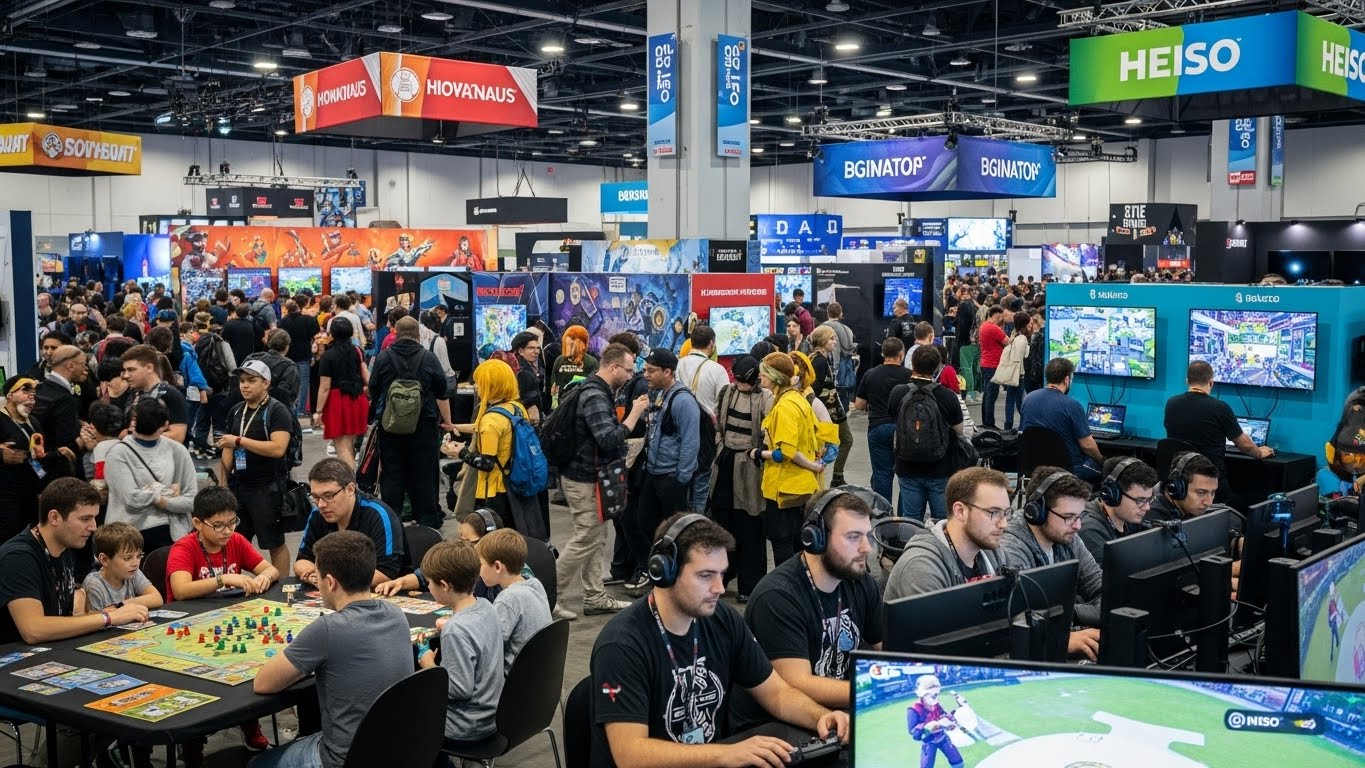
Competitive gaming and esports have created a professional ecosystem where teamwork, leadership, and communication are critical. Games provide a sense of belonging, a platform for social engagement, and opportunities to develop interpersonal skills, demonstrating that play is as much about people as it is about the game itself.
Emotional Benefits and Stress Relief in Gaming
Games can have significant emotional and psychological benefits. They offer an escape from daily stress, providing a sense of immersion and relaxation. Completing challenges, achieving milestones, and mastering difficult tasks instills a sense of accomplishment and boosts self-confidence.
Games also encourage resilience by allowing players to fail, learn, and try again. Cooperative and narrative-driven games promote empathy and emotional understanding as players interact with characters and make morally significant choices. When approached in moderation, games serve as a positive outlet for stress and a source of personal growth.
The Rise of Competitive Gaming Esports and Professional Play
Competitive gaming has evolved into a global phenomenon. Esports tournaments attract millions of viewers and offer prize pools in the millions of dollars. Professional players dedicate hours of practice, honing technical skill, strategy, and teamwork.
Esports has also created a broad ecosystem beyond players, including coaches, analysts, commentators, and content creators. The growth of competitive gaming illustrates the potential for games to become a career, highlighting the professional opportunities and cultural influence of this modern form of play.
Mobile and Casual Games Accessibility and Convenience
Mobile and casual games have made gaming more accessible than ever. Smartphones allow people to play anytime, anywhere, making games an integral part of daily life. These games are often easy to learn but hard to master, appealing to a broad audience and encouraging social interaction through online leaderboards and cooperative play.
The accessibility of mobile games has expanded the gaming community and encouraged innovation in design, storytelling, and user experience. Mobile platforms demonstrate how technology can democratize entertainment, making games available to virtually anyone with a device.
Educational and Skill-Building Aspects of Games
Many games offer educational value and skill development. Educational games teach concepts in math, language, science, and history, while strategy and simulation games improve critical thinking, resource management, and problem-solving abilities.
Games also foster creativity and strategic planning. Role-playing games, world-building games, and simulation games encourage players to experiment with solutions, plan long-term strategies, and develop leadership skills. The educational potential of games highlights their importance as both entertainment and a tool for personal growth.
Economic Impact of Games The Global Industry
The gaming industry is one of the largest entertainment sectors in the world. Revenue from game sales, digital downloads, subscriptions, and in-game purchases runs into billions annually. Developers, artists, programmers, marketers, and event organizers all contribute to this thriving ecosystem.
Competitive gaming, mobile applications, and digital platforms further expand the economic influence of games. Major releases, tournaments, and online streaming events stimulate local and global economies, creating jobs and fostering innovation in technology and entertainment. Games have become both a cultural and economic powerhouse.
Challenges in Gaming Moderation and Safety
Despite their benefits, games also present challenges. Excessive gaming can lead to health issues such as eye strain, poor posture, and reduced physical activity. Social isolation and disrupted daily routines may occur if gaming is not balanced with other responsibilities.
Online environments can sometimes expose players to harassment, cyberbullying, or inappropriate content. Developers and communities are working to promote responsible gaming, safe interactions, and moderation tools. Awareness and self-discipline are key to ensuring gaming remains a positive and enriching experience.
The Future of Games Immersive Experiences and Innovation
The future of gaming is poised for exciting developments. Virtual reality, augmented reality, and artificial intelligence are transforming gameplay, making experiences more immersive and interactive. Players will increasingly influence narratives, participate in real-time virtual worlds, and engage in collaborative creative projects.
Cross-platform integration and cloud gaming will allow seamless experiences across devices, while advanced AI will adapt challenges to individual players. Gaming will continue to merge entertainment, education, and social connection, expanding its role in culture and daily life. The future promises experiences that are more engaging, inclusive, and innovative than ever before.
Conclusion Games as a Cultural, Educational, and Social Force
Games have evolved far beyond their humble beginnings to become a multifaceted force in modern society. They entertain, educate, foster social connections, and provide cognitive and emotional benefits. From board games to immersive digital worlds, games challenge players’ minds, encourage creativity, and build communities.
As technology advances and gaming continues to evolve, its impact on culture, economy, and personal growth will only increase. Games are no longer just a pastime; they are a vital part of human experience, shaping how we think, interact, and explore our imaginations.