gamechampion54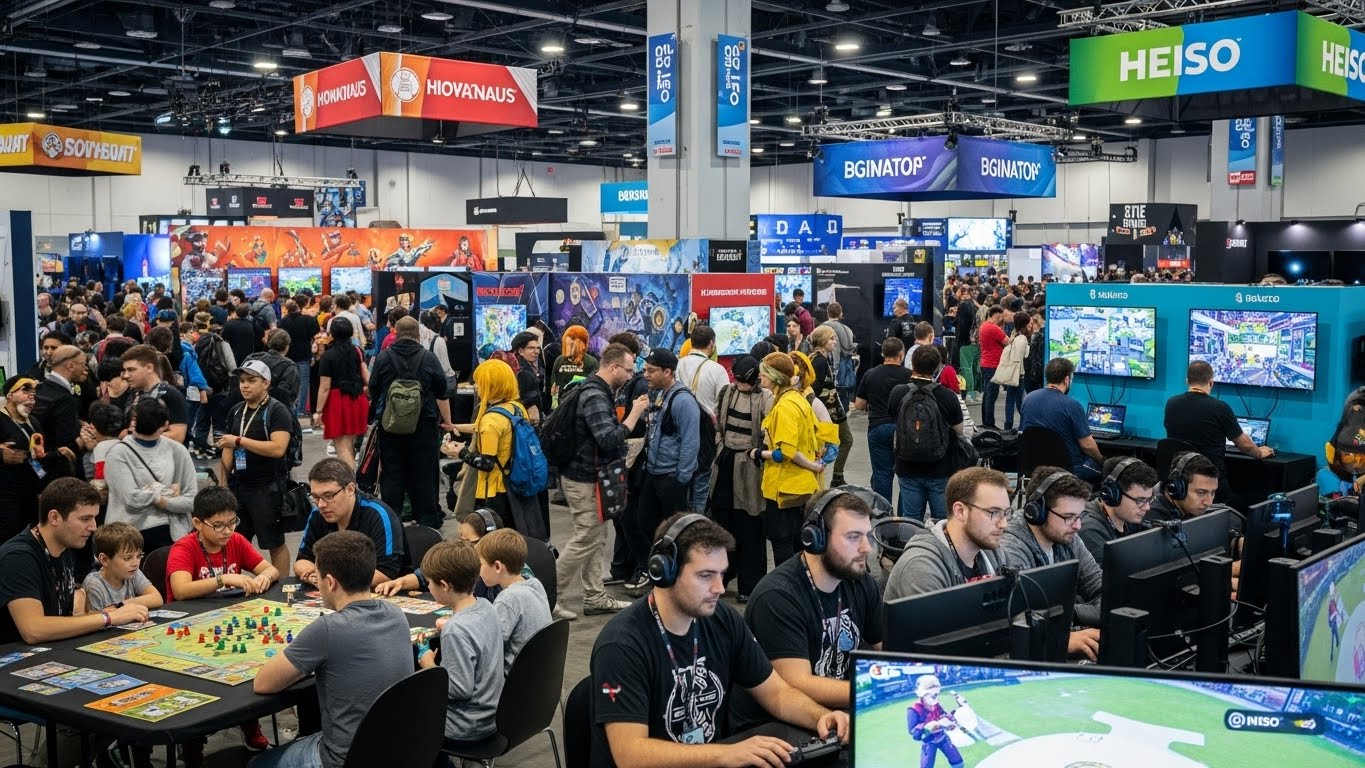
Introduction: Why Games Matter More Than Ever
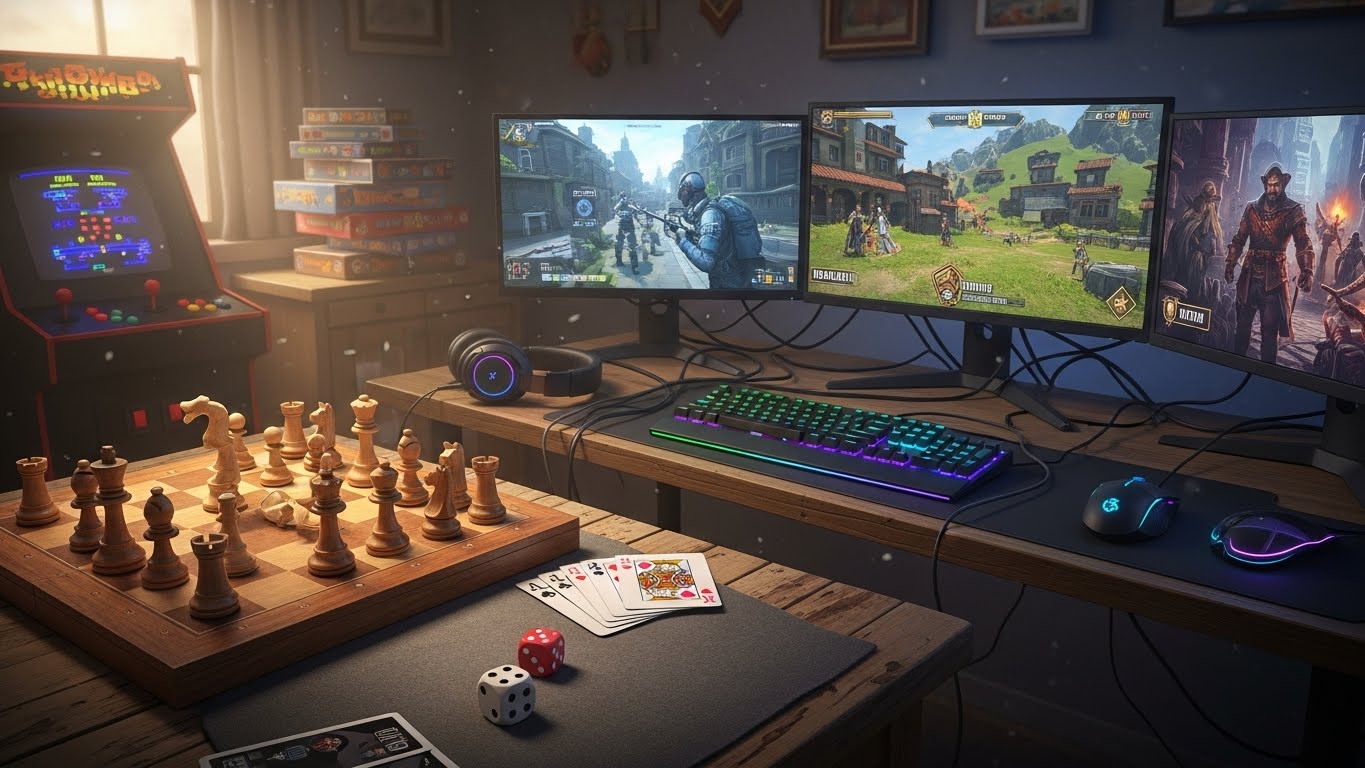
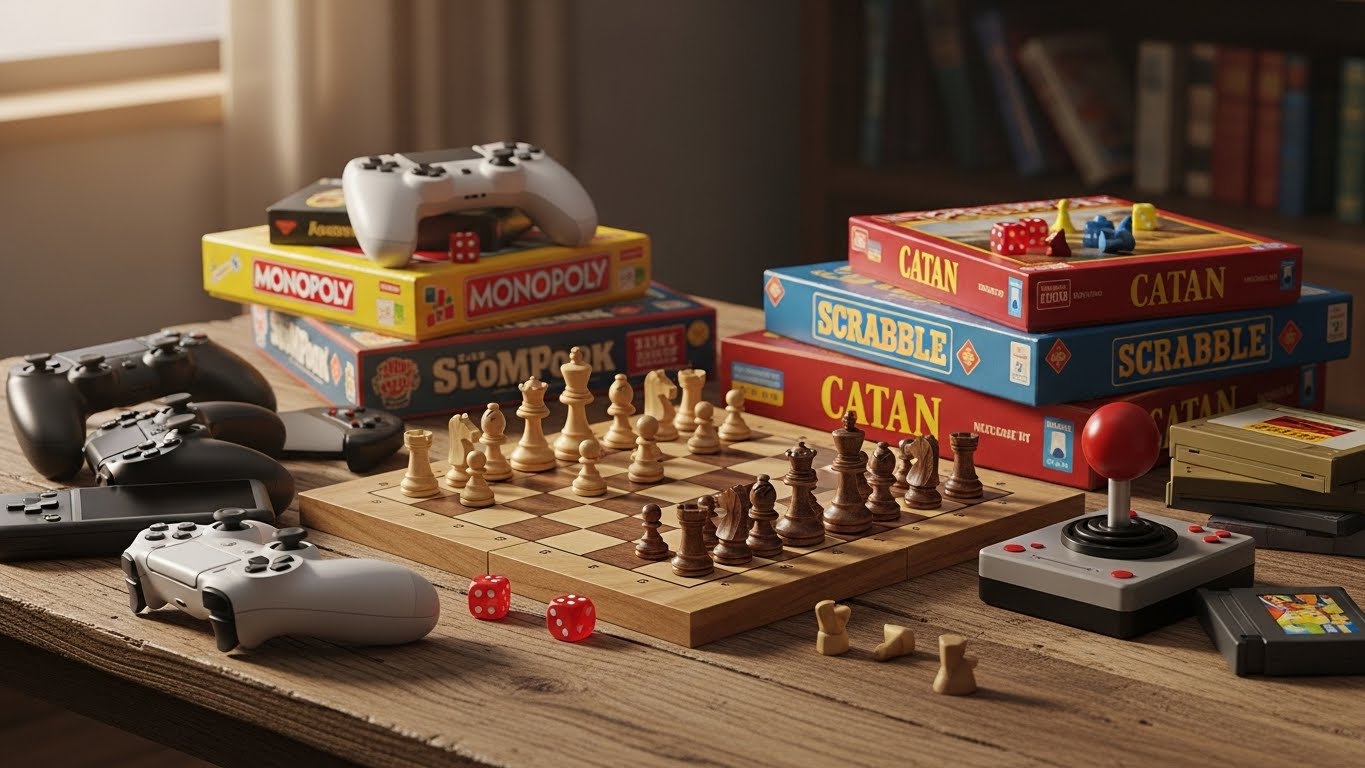
Games have always been a fundamental part of human life. Long before digital screens and advanced technology, people gathered to play games that tested skill, chance, and strategy. Today, games exist in countless forms, from traditional board games and outdoor sports to complex video games and virtual simulations. They are no longer just a way to pass time; games influence how we learn, connect, relax, and even define our identities. In a rapidly changing world, games provide balance, creativity, and engagement, making them an essential element of modern culture.
The Historical Roots of Games
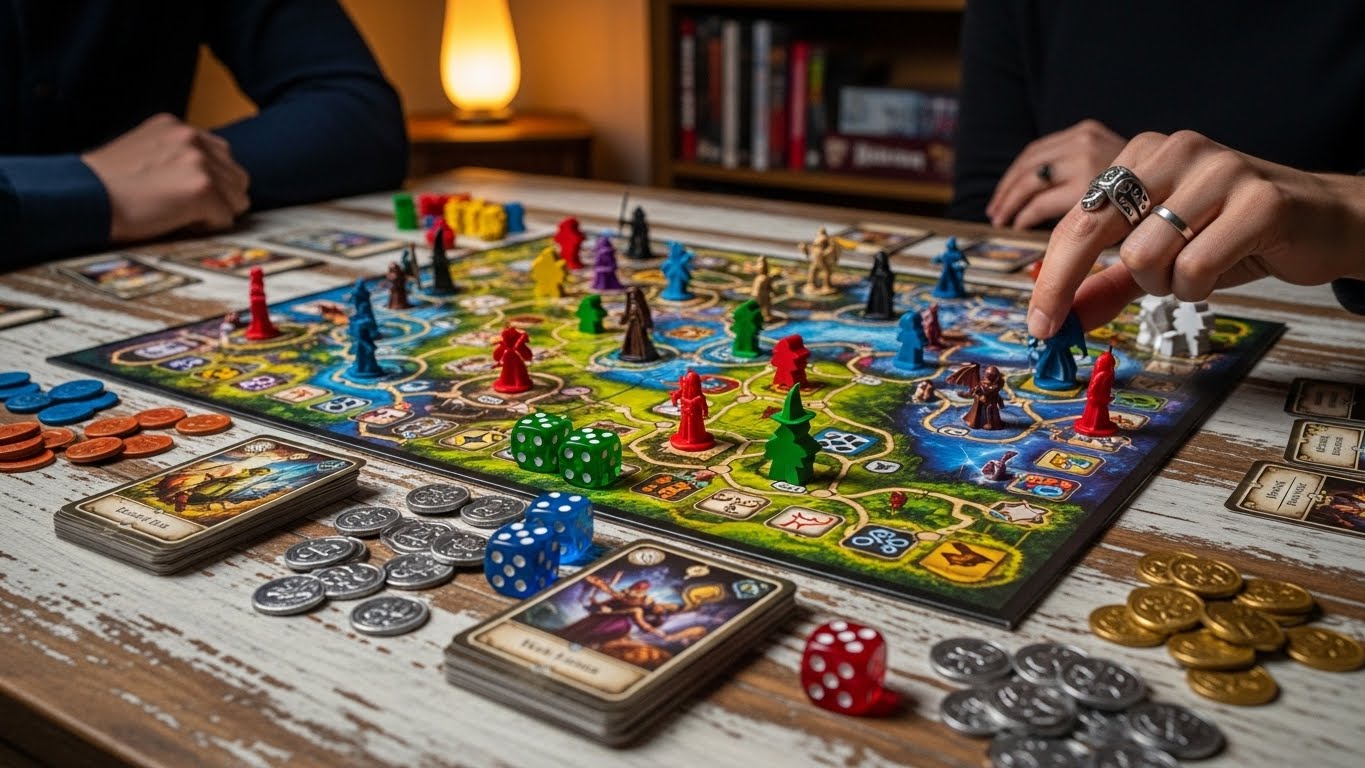
The origins of games stretch back thousands of years. Ancient civilizations played games carved into stone or drawn on sand, using them as tools for teaching logic, discipline, and cooperation. Board games like chess evolved as reflections of warfare and strategy, while physical games helped develop strength and coordination. These early forms of play were deeply connected to culture and tradition. Over time, games adapted to societal changes, but their core purpose remained the same: to challenge the mind, entertain the spirit, and bring people together.
The Transition from Physical to Digital Play
As technology advanced, games moved from physical spaces into digital environments. Early digital games were simple and limited, yet they sparked curiosity and excitement. As computing power grew, games became more detailed, interactive, and immersive. Digital games now allow players to explore vast worlds, assume different identities, and experience stories from unique perspectives. This transition did not replace traditional games but expanded the meaning of play, offering new ways to engage imagination and creativity.
Games as Tools for Learning and Growth
Games are powerful learning tools because they encourage active participation. Unlike passive forms of entertainment, games require players to think, decide, and react. Strategy games enhance planning and problem-solving skills, while puzzle games improve memory and logical reasoning. Educational games are designed to teach subjects such as mathematics, language, history, and science in an engaging way. Even games created purely for entertainment often teach persistence, adaptability, and decision-making, skills that are valuable in real life.
The Emotional Impact of Games
Games have a strong emotional dimension. Winning a difficult challenge brings satisfaction, while overcoming setbacks builds resilience. Story-driven games allow players to connect with characters and narratives on a deep emotional level. These experiences can evoke joy, excitement, fear, empathy, and reflection. Games also provide comfort during stressful times, offering a sense of control and achievement when the real world feels overwhelming. This emotional connection is one of the reasons games are so memorable and meaningful.
Social Connections Through Games
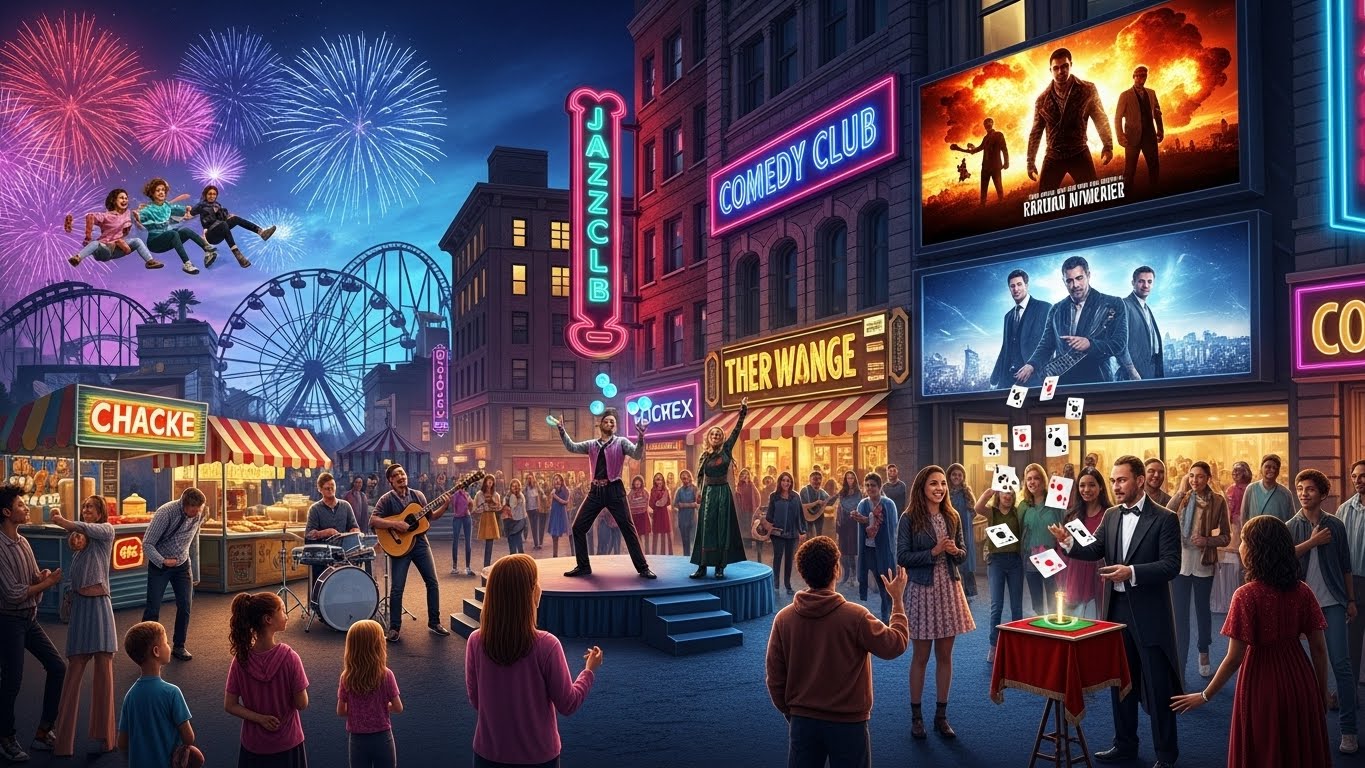
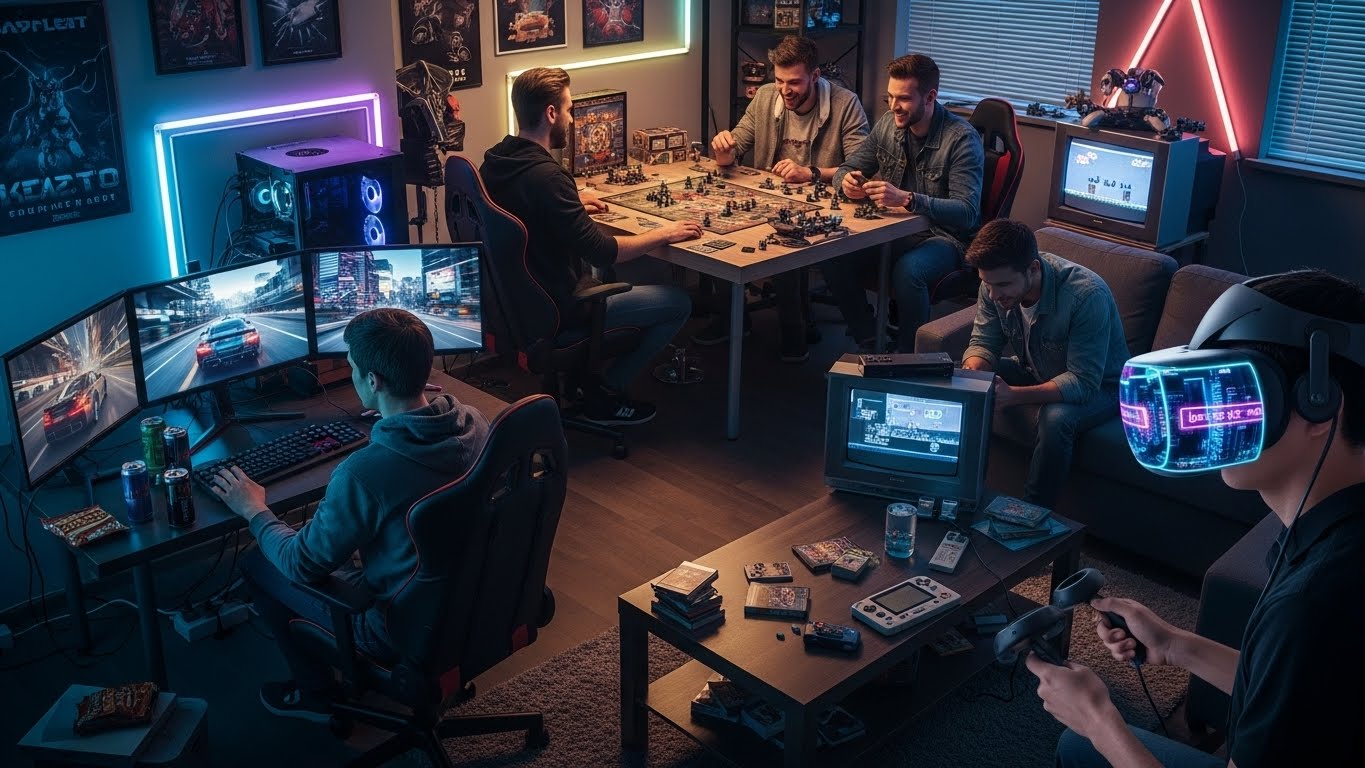
One of the most important roles of games is their ability to connect people. Multiplayer games encourage teamwork, communication, and trust. Friends and families bond over shared gaming experiences, whether competing or cooperating. Online games allow players from different cultures and backgrounds to interact, breaking down barriers and fostering global communities. Even simple games can spark conversations and laughter, reminding us that play is a shared human experience.
Games and Creativity
Creativity thrives in games. Many games allow players to build, design, and customize worlds, characters, and strategies. Sandbox games encourage experimentation, while role-playing games invite players to create unique identities and narratives. Beyond playing, games inspire creativity in art, music, storytelling, and design. Game development itself is a creative process that combines technology with imagination, resulting in interactive experiences that push artistic boundaries.
The Competitive Side of Gaming
Competition has always been a natural part of games. Competitive gaming challenges players to improve skills, develop strategies, and perform under pressure. Whether played casually among friends or professionally in organized events, competitive games promote discipline and focus. Competitive environments teach players how to handle victory and defeat with grace, encouraging personal growth and respect for others. This aspect of gaming appeals to those who enjoy testing their limits and striving for excellence.
Games as Cultural Mirrors
Games often reflect the values, concerns, and stories of the societies that create them. They explore themes such as heroism, survival, morality, and cooperation. Some games are inspired by historical events or mythologies, while others imagine future worlds shaped by human choices. Through these narratives, games invite players to think critically about society and their role within it. As cultural artifacts, games preserve ideas and spark dialogue across generations.
The Role of Games in Mental Well-Being
When enjoyed responsibly, games can support mental health. They offer relaxation, stress relief, and a sense of accomplishment. Games provide structure and goals, which can be especially helpful for individuals seeking motivation or focus. Social games combat loneliness by creating opportunities for interaction and shared experiences. While moderation is important, balanced gaming can contribute positively to emotional and psychological well-being.
Technology and Innovation in Games
Technological advancements have transformed games into highly immersive experiences. Improved graphics, realistic sound design, and intelligent systems make virtual worlds feel alive. Innovations such as motion controls and virtual environments deepen player engagement. These advancements do more than entertain; they influence other fields such as education, training, and design. Games often serve as testing grounds for new technologies that later find broader applications.
Games Across Different Age Groups
Games are not limited to any age group. Children use games to develop motor skills, creativity, and social understanding. Teenagers often turn to games for self-expression and connection. Adults enjoy games as a way to relax, compete, or explore stories. Older adults benefit from games that stimulate memory and cognitive function. The universal appeal of games lies in their adaptability, offering experiences tailored to different interests and life stages.
Games as Careers and Opportunities
The gaming world offers a wide range of professional opportunities. Game designers, artists, writers, programmers, and testers work together to create engaging experiences. Beyond development, gaming supports careers in competitive play, content creation, community management, and event organization. These paths demonstrate that games are not just entertainment but a serious industry that values creativity, skill, and innovation.
The Future of Games
The future of games is filled with possibility. As technology continues to evolve, games will become more immersive, personalized, and interactive. Players may experience worlds that respond dynamically to their choices, creating truly unique journeys. Games will likely play a growing role in education, training, and social connection. As boundaries between physical and digital spaces blur, games will continue to redefine how people play, learn, and communicate.
Balancing Play and Responsibility
While games offer many benefits, balance is essential. Responsible gaming ensures that play remains enjoyable and healthy. Setting limits, prioritizing responsibilities, and maintaining real-world connections help players get the most out of gaming without negative effects. Awareness and mindfulness allow games to enhance life rather than dominate it.
Conclusion: The Enduring Power of Play
Games are far more than simple entertainment. They are tools for learning, creativity, connection, and emotional expression. From ancient traditions to modern digital experiences, games have evolved alongside humanity, reflecting our values and aspirations. They challenge us, inspire us, and bring us together. As the world continues to change, games will remain a constant source of joy and meaning, reminding us that play is not just a pastime but a vital part of being human.