gamechampion54
Introduction: More Than Just Fun
Games have been an integral part of human culture for thousands of years. From ancient board games and physical sports to modern video games and mobile apps, the desire to play is universal. While games are often associated with entertainment, they offer much more than simple amusement. They challenge the mind, encourage social interaction, teach strategy, and even influence modern culture and technology.
In this post, we will explore the evolution of games, their impact on society, their role in mental and physical development, and the future of gaming in an increasingly digital world.
The Evolution of Games Through History
The history of games stretches back to ancient civilizations. Archaeologists have discovered board games in Egypt that date back over 5,000 years, such as Senet, which combined strategy with spirituality. Similarly, the Royal Game of Ur in Mesopotamia introduced dice-based mechanics that would inspire games for millennia.
Over time, games evolved to reflect social structures and cultural priorities. Medieval Europe popularized games like chess and backgammon, which emphasized strategy, patience, and intellect. Physical games and sports like jousting, archery, and early forms of football encouraged physical skill and community bonding.
The 20th century brought a new era with the invention of electronic games. Simple arcade games evolved into complex video games, transforming entertainment into a highly interactive experience. Today, gaming exists in nearly every format imaginable, from console systems and PCs to smartphones and virtual reality devices.
Types of Games and Their Appeal
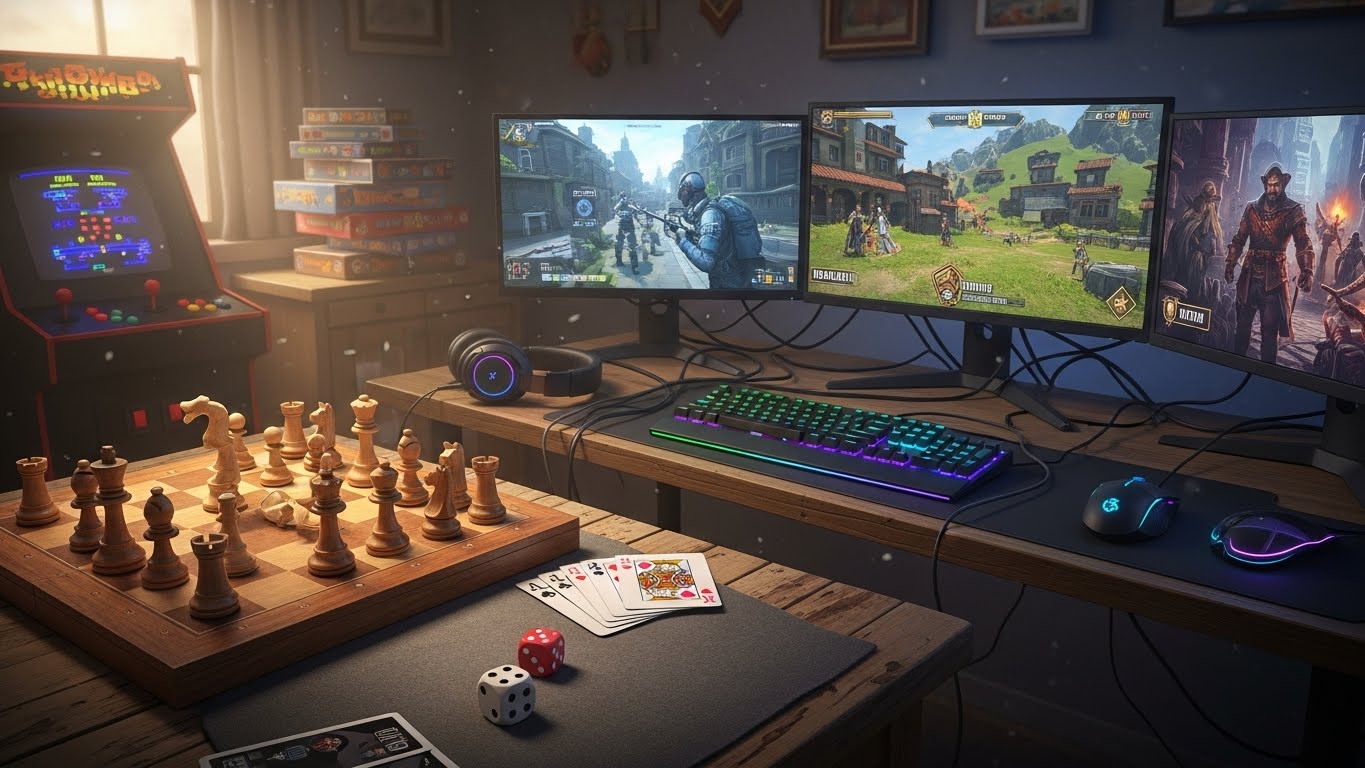
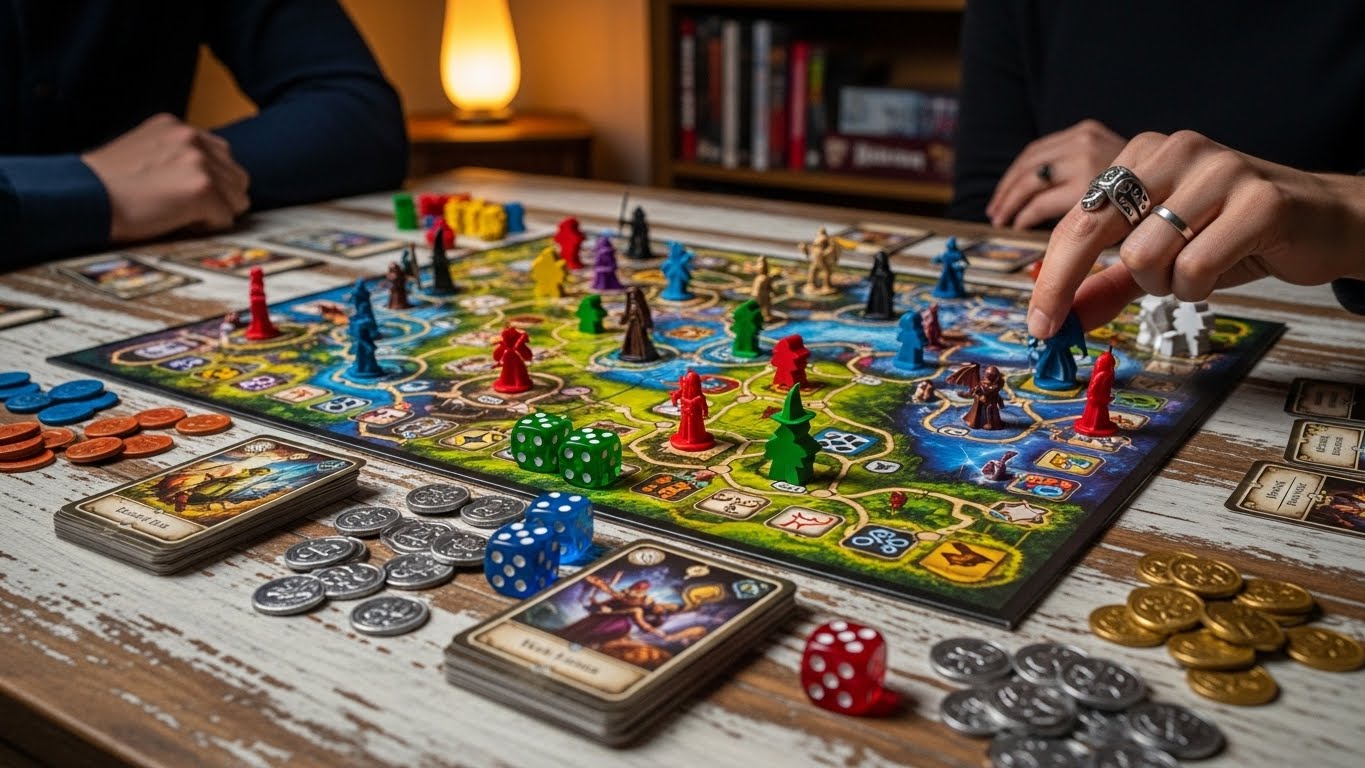
Games can be broadly categorized into several types, each offering a unique form of engagement. Board games and card games encourage strategic thinking and social interaction. Classic examples include chess, Monopoly, and poker. These games often emphasize long-term planning, negotiation, and risk assessment.
Video games dominate modern entertainment, providing immersive worlds and interactive experiences. Action games stimulate reflexes and decision-making, while role-playing games allow players to explore narratives, develop characters, and make impactful choices. Simulation games replicate real-world experiences, from city building to farming, and strategy games challenge analytical thinking and resource management.
Mobile games offer quick entertainment on the go, attracting casual gamers with puzzle-solving and time-management mechanics. Regardless of type, games provide a sense of accomplishment, challenge, and social connection, which explains their widespread appeal.
Games and Cognitive Development
Playing games is not just entertaining; it enhances cognitive skills. Strategic games like chess or puzzle-based video games improve problem-solving abilities, memory, and critical thinking. Fast-paced games sharpen reflexes and hand-eye coordination. Even multiplayer online games teach teamwork, leadership, and communication skills.
Educational games have gained prominence in schools and homes, combining learning with fun. They help children develop math, language, and scientific reasoning while keeping engagement high. For adults, games can serve as mental exercise, improving focus, decision-making speed, and adaptability in complex situations.
Social Impact of Gaming
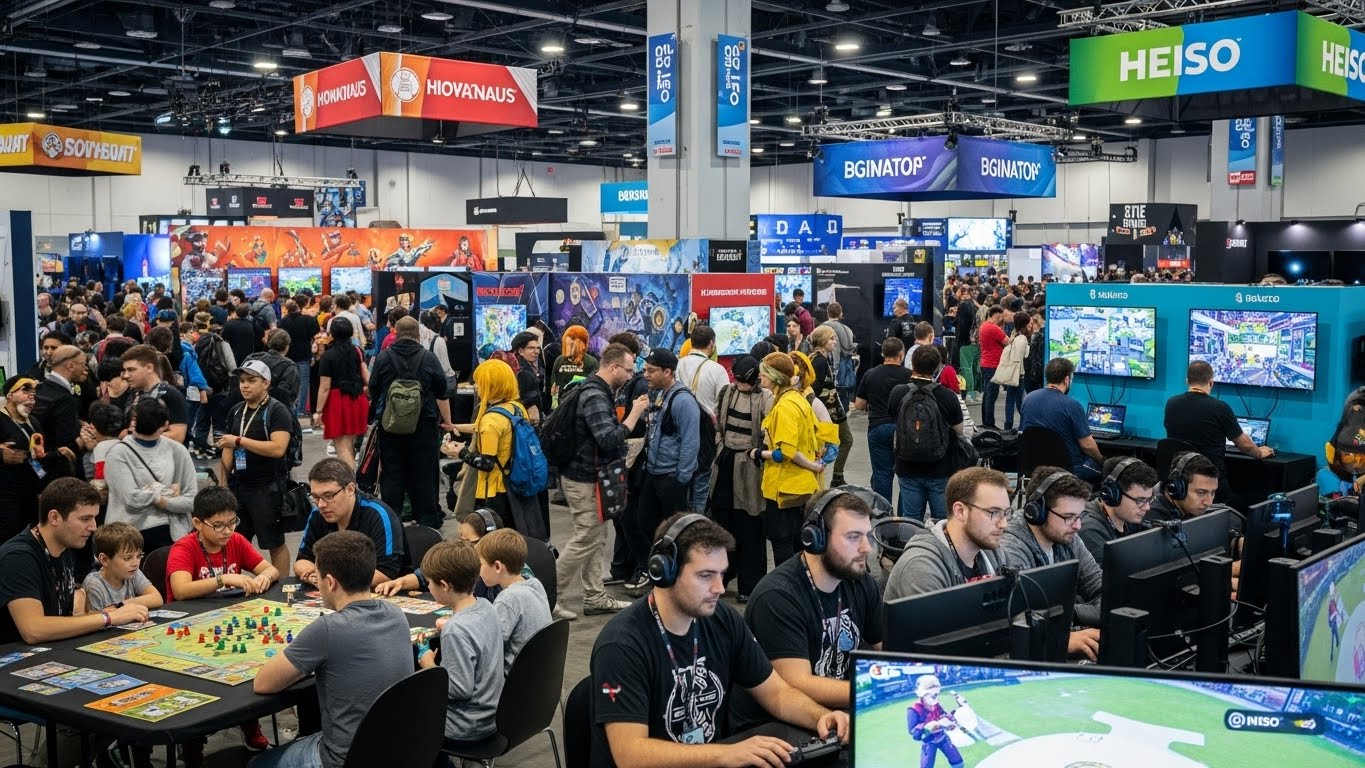
Games are powerful social tools. Multiplayer games create communities where people from different backgrounds connect, cooperate, and compete. Online forums, guilds, and tournaments provide social networks, fostering friendships and collaborative problem-solving.
Physical games and sports encourage group participation, discipline, and healthy competition. They strengthen social bonds, teach conflict resolution, and promote cultural exchange through shared experiences. The social aspect of gaming also extends to families, where board games and party games provide a shared activity that bridges generational gaps.
Competitive Gaming and Esports
The rise of esports has transformed gaming into a professional career for many players. Competitive gaming involves tournaments, sponsorships, and massive audiences, sometimes rivaling traditional sports in popularity. Games like League of Legends, Dota 2, and Fortnite have cultivated international fan bases and multi-million-dollar prize pools.
Esports not only entertain but also demonstrate skill, strategy, and mental endurance. Professional players often train rigorously, developing teamwork, strategic thinking, and reflexes. As esports grow, they continue to shape the cultural perception of gaming from a hobby to a legitimate professional pursuit.
Games and Emotional Well-Being
Games provide emotional benefits that extend beyond entertainment. Engaging in gameplay can reduce stress, improve mood, and provide a safe space for exploration and experimentation. Story-driven games evoke empathy, inspire creativity, and encourage reflection on moral and ethical decisions.
Games can also offer a sense of achievement and progress, boosting confidence and motivation. Even casual mobile games provide moments of joy and relaxation in busy lives. However, moderation is key, as excessive gaming can interfere with social life, sleep, and productivity.
Technology’s Role in Modern Gaming
Advances in technology have revolutionized the gaming industry. Graphics engines, virtual reality, augmented reality, and artificial intelligence enhance immersion and interactivity. Cloud gaming now allows players to stream high-quality games without expensive hardware, broadening access to entertainment.
Artificial intelligence enables adaptive gameplay, creating dynamic challenges that respond to individual player behavior. Virtual reality provides fully immersive worlds, allowing players to physically interact with the game environment. As technology continues to evolve, gaming experiences become increasingly lifelike and emotionally engaging.
Games as Cultural Storytellers
Games have emerged as a modern medium for storytelling. Many video games feature complex narratives, rich character development, and expansive fictional worlds. Players become active participants in the story, making decisions that influence outcomes and shape experiences uniquely.
Cultural representation in games has also improved, with diverse characters, languages, and mythologies portrayed thoughtfully. This fosters global cultural exchange and appreciation, allowing players to experience perspectives beyond their own lives. Games, in this sense, function as interactive literature, combining art, narrative, and technology.
Educational and Therapeutic Applications of Games
Beyond entertainment, games are increasingly used in education and therapy. Educational games facilitate learning by turning concepts into interactive challenges. Simulation games can train professionals in medicine, aviation, and engineering, providing safe environments to practice skills.
Therapeutic games help patients manage anxiety, improve cognitive abilities, and enhance motor skills. Serious games designed for rehabilitation or mental health support demonstrate the versatility and potential of gaming to positively impact society.
Challenges in the Gaming World
Despite their benefits, games face challenges. Addiction, excessive screen time, and social isolation are concerns, particularly for younger players. Additionally, controversies around violence, representation, and monetization practices in games continue to spark debate.
Game developers are increasingly aware of these issues and implement features to encourage healthy play habits. Parental controls, time limits, and ethical game design aim to balance entertainment with responsibility.
The Future of Gaming
The future of games promises even more immersive and interconnected experiences. Virtual reality and augmented reality will create fully interactive worlds. Artificial intelligence will enhance personalized gameplay, adapting challenges to player skill levels and preferences. Cross-platform gaming will make multiplayer experiences seamless across devices.
Games will continue to blur the lines between entertainment, education, and social interaction. They will remain a powerful medium for storytelling, innovation, and community building, shaping not only how people spend their free time but also how they connect with each other and the world.
Conclusion: The Lasting Power of Play
Games are more than pastimes; they are reflections of human creativity, culture, and intelligence. They challenge minds, build communities, tell stories, and provide joy in countless forms. From ancient board games to immersive digital worlds, games have evolved alongside society, continuously adapting to new technologies and cultural shifts.
The act of playing, whether alone or with others, nurtures curiosity, strategic thinking, and emotional resilience. As technology advances and gaming continues to expand, it remains a vibrant and essential part of modern life. Play is not just an escape; it is a journey, a challenge, and a celebration of human imagination.