gamechampion54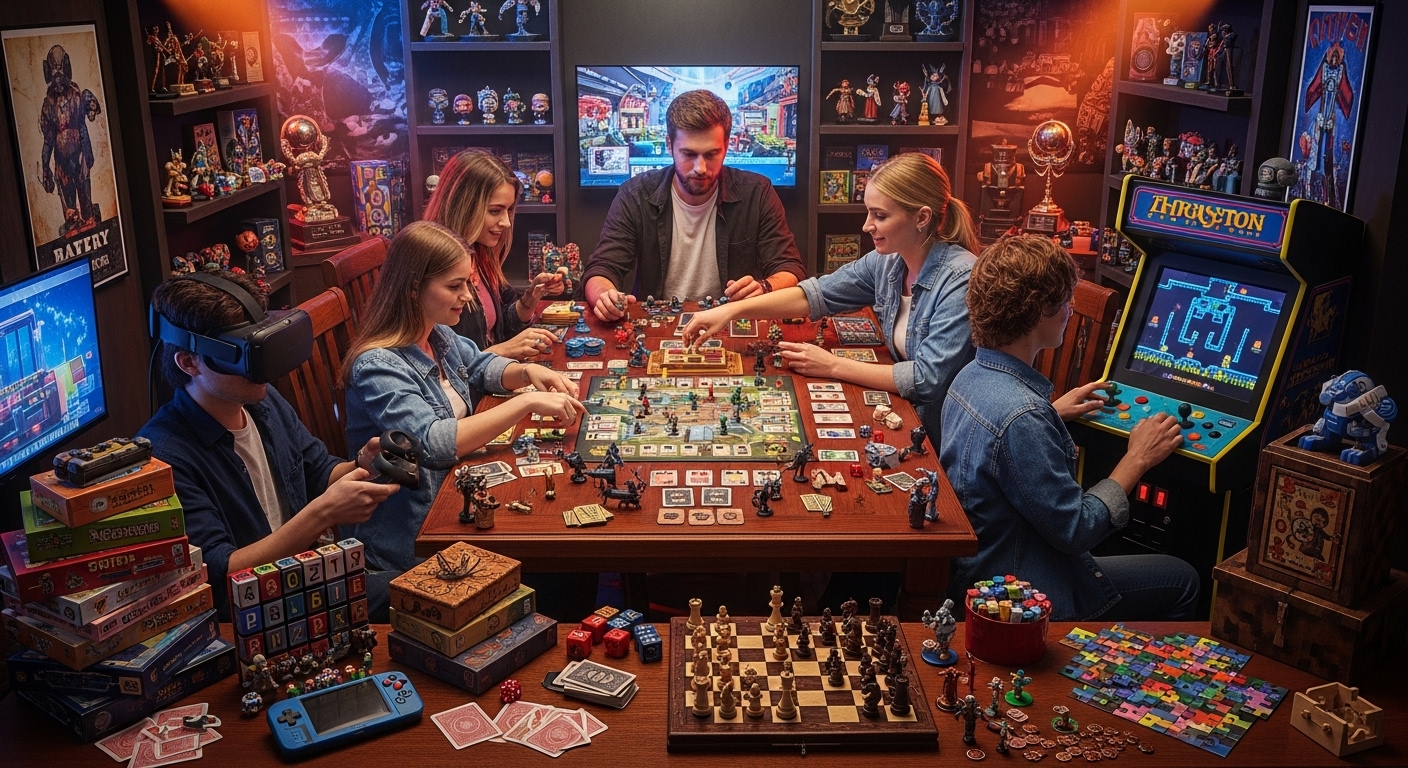
Introduction: Gaming as a Gateway to Endless Adventures
In the past few decades, video games have evolved into something far beyond just a way to pass the time. They have transformed into immersive universes, each with its own rules, characters, and stories, inviting players to step into alternate realities where they can be heroes, strategists, adventurers, or even gods. The idea of gaming as mere entertainment no longer suffices to capture the depth and breadth of this medium. Games have become cultural phenomena, shaping communities, influencing creativity, and pushing technological boundaries.
This blog post delves into why games have become such a vital part of modern entertainment and explores how gaming has grown into a multi-faceted experience that offers not just fun, but also meaningful, immersive worlds for millions around the globe.
The Evolution of Gaming: From Pixels to Stunning Realism
The history of video games dates back to the late 20th century, when the first arcade games began appearing in amusement parks. Titles like Pong and Space Invaders set the stage for a new form of interactive entertainment, albeit with simple graphics and gameplay. These early games were little more than digital challenges, offering players a chance to test their reflexes and see how long they could last on the high-score leaderboard.
The 8-bit Revolution and Home Consoles
The real game-changer came in the 1980s when home consoles like the Atari 2600 and the Nintendo Entertainment System (NES) brought gaming directly into the living room. While the graphics were still quite basic, these systems introduced iconic franchises such as Super Mario Bros., Zelda, and Metroid. These games featured more elaborate worlds and complex narratives, beginning to blur the line between entertainment and art.
The 3D Shift and Open-World Exploration
By the late 1990s and early 2000s, technological advancements allowed for 3D graphics, and with them came a whole new kind of gameplay. Titles like Super Mario 64, The Legend of Zelda: Ocarina of Time, and Final Fantasy VII not only expanded the scope of gameplay but also introduced fully realized worlds where exploration, side quests, and environmental interaction became key components. The transition to 3D was more than just a visual upgrade; it was a shift toward giving players more agency within the game world, allowing them to experience a new level of freedom.
Today, the evolution has led to photorealistic graphics in titles like Red Dead Redemption 2 and The Last of Us Part II. These games offer hyper-realistic environments that draw players deeper into the story and gameplay. We’ve entered a period where the visual quality of a game can rival that of movies, making gaming an art form in its own right.
Why Games Matter: More Than Just Play
At their core, games are still meant to be fun. But as technology has advanced, so too has the role of games in our lives. Gaming today isn’t just a way to kill time; it’s a dynamic, engaging experience that blends storytelling, competition, social connection, and personal growth.
The Power of Storytelling in Games
While early video games had simple plots, modern games have embraced complex narratives that rival the depth and emotional impact of movies or novels. Games like The Witcher 3: Wild Hunt, Bioshock Infinite, and God of War feature intricate stories that explore deep themes of family, sacrifice, redemption, and morality. These narratives are not passive—they change based on the player’s decisions, making the experience more personal and unique.
The player becomes a participant in these stories, making decisions that not only affect the outcome but also shape the journey itself. This interactive storytelling is one of the unique aspects of gaming as a medium, offering a level of engagement that traditional forms of entertainment simply can’t match.
Social Connections: Building Communities
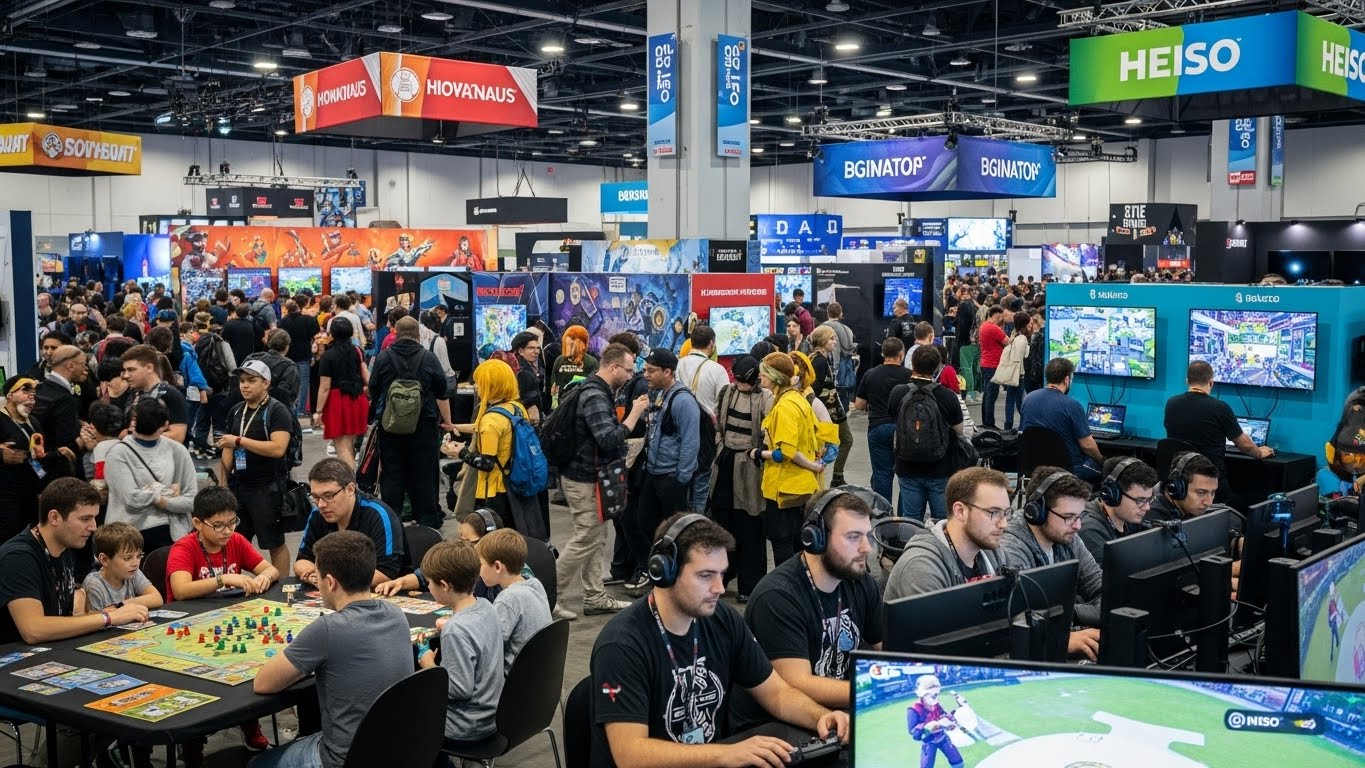
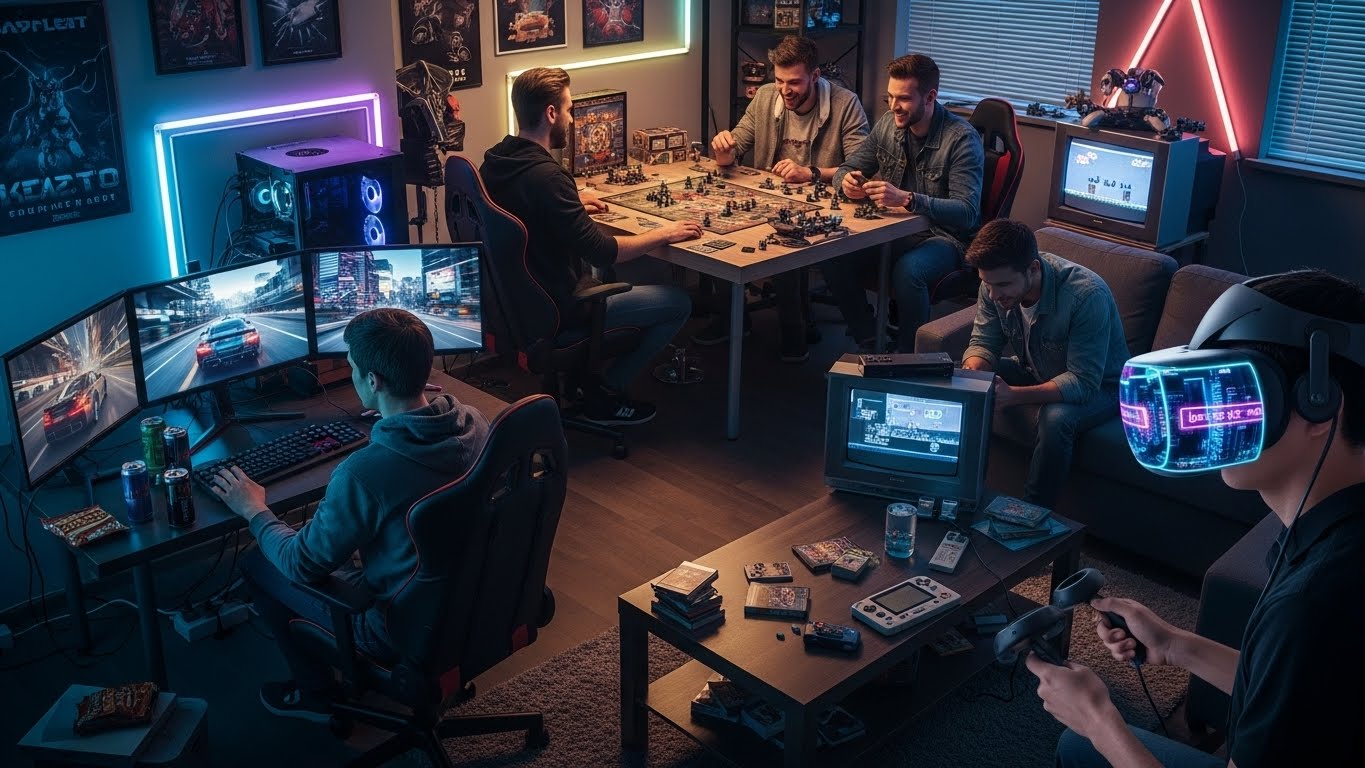
Another compelling reason why games have grown in importance is their ability to connect people. In the past, gaming was often a solitary activity, but the rise of online multiplayer experiences has transformed it into a global social activity. Games like Fortnite, World of Warcraft, and League of Legends allow people from different backgrounds and countries to come together in digital spaces, collaborate, and compete.
For many players, online gaming is more than just about the game itself—it’s about the friendships formed and the shared experiences. Platforms like Twitch and YouTube have also helped to cultivate gaming communities, where players and viewers bond over shared interests, competitive play, or simply watching someone navigate a new game. The sense of camaraderie and mutual support found in these spaces is powerful and often lasting.
The Role of Technology: What’s Powering the Future of Gaming?
As games continue to evolve, so does the technology behind them. From cloud gaming to artificial intelligence, the innovations driving the gaming industry are transforming how we play, interact with, and experience games.
Cloud Gaming: Access Anytime, Anywhere
Cloud gaming has emerged as a game-changer in recent years, enabling players to stream games directly to their devices without the need for expensive hardware. Services like Google Stadia and Xbox Cloud Gaming are breaking down the barriers to gaming by allowing players to access titles from virtually any device—whether it’s a phone, tablet, or low-end laptop. This democratization of gaming means that more people can experience high-quality gaming without investing in a high-end console or PC.
Virtual Reality and Augmented Reality: A New Frontier
Virtual reality (VR) and augmented reality (AR) are on the cutting edge of gaming technology. VR headsets like the Oculus Rift and PlayStation VR let players immerse themselves in a fully realized, 360-degree world where they can interact with objects and characters in ways that go beyond traditional gaming. Games like Half-Life: Alyx and Beat Saber have showcased the potential of VR, offering entirely new forms of play and interaction.
Augmented reality, which overlays digital elements onto the real world, has also opened new doors for gaming. Pokémon Go, for example, took the world by storm by encouraging players to physically explore their surroundings while hunting virtual creatures. The integration of AR in gaming holds exciting potential, especially as smartphones and wearable devices become more powerful.
Artificial Intelligence: Smarter Worlds, Smarter Enemies
AI is becoming an integral part of modern gaming, powering everything from enemy behaviors to dynamic environments. In games like The Last of Us or Halo, AI makes enemies smarter and more unpredictable, ensuring that each encounter feels fresh and challenging. Furthermore, AI is beginning to assist in procedural world generation, where every player can experience a unique world, be it in a roguelike dungeon or a sprawling open-world game.
The Future of Gaming: What’s Next?
Gaming shows no signs of slowing down. With technological advancements continuing at a rapid pace, the future of gaming holds even more exciting possibilities. From fully immersive virtual worlds to AI-driven game narratives, we can expect more dynamic, personalized, and engaging experiences in the years to come.
Games are increasingly becoming a medium for storytelling, connection, and exploration, with every year bringing something new to the table. The next generation of gamers will likely experience worlds that feel indistinguishable from reality, with the potential for even deeper emotional connections to the stories and characters within them.
Conclusion: A World of Endless Possibilities
Gaming has come a long way since the days of simple arcade games and pixelated heroes. Today, it stands as a powerful form of entertainment that blends technology, creativity, and social interaction. As the gaming industry continues to evolve, it will undoubtedly bring new experiences that challenge our perceptions, engage our emotions, and connect us in ways we never imagined.
Whether you’re a casual player or a hardcore gamer, the digital worlds we dive into offer limitless possibilities. The magic of gaming lies not just in the play itself, but in the communities we build, the stories we tell, and the boundaries we push with every game we explore. So, the next time you pick up a controller or launch a game on your phone, remember that you’re not just playing—you’re entering a world where anything is possible.