gamechampion54
Introduction: The Power of Games
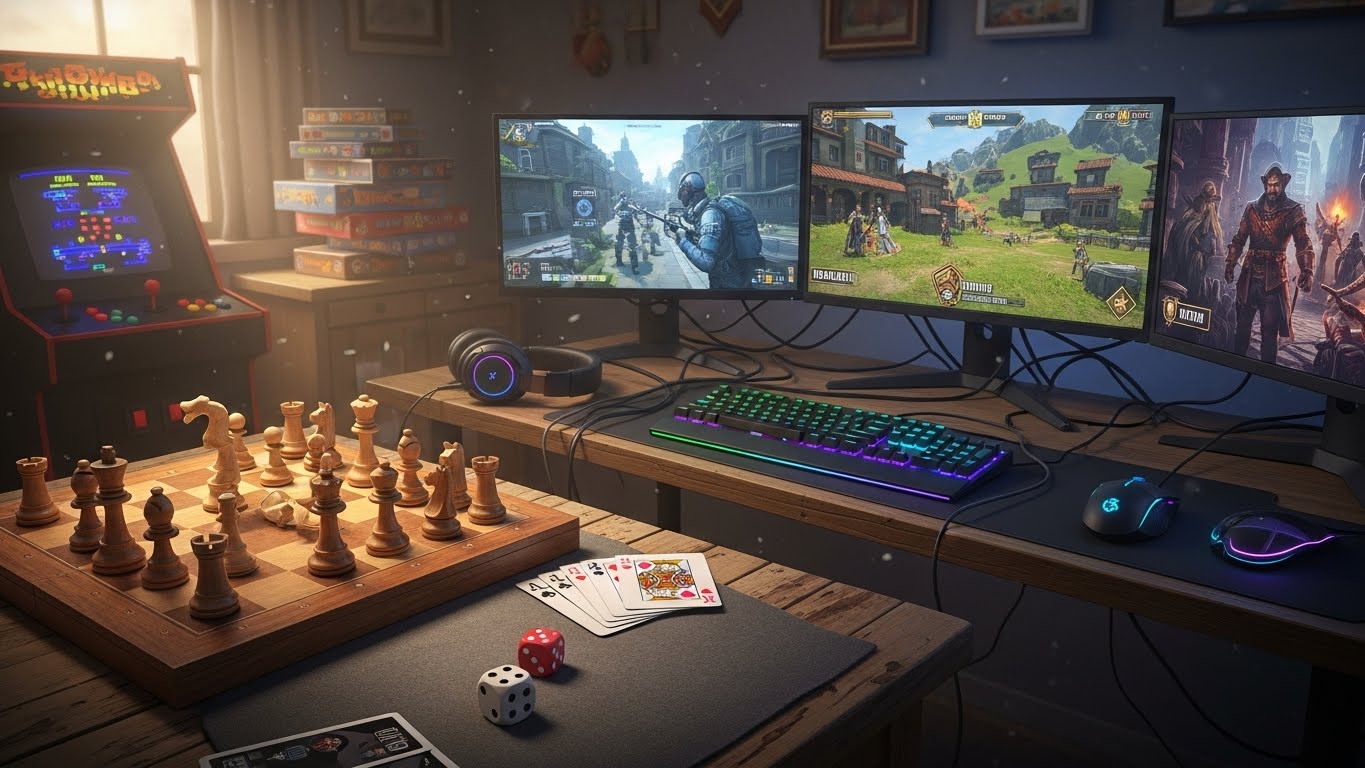
Games have always been more than just a pastime. From ancient board games to modern digital experiences, they reflect human creativity, strategy, and social interaction. Today, the world of gaming has expanded into a global industry worth billions, influencing culture, technology, and social behavior in unprecedented ways.
Modern games are immersive, interactive, and multifaceted, offering experiences that go beyond simple entertainment. They teach skills, foster communities, and even shape careers. This blog explores the evolution of games, their technological impact, cultural significance, and future trends.
The Evolution of Gaming
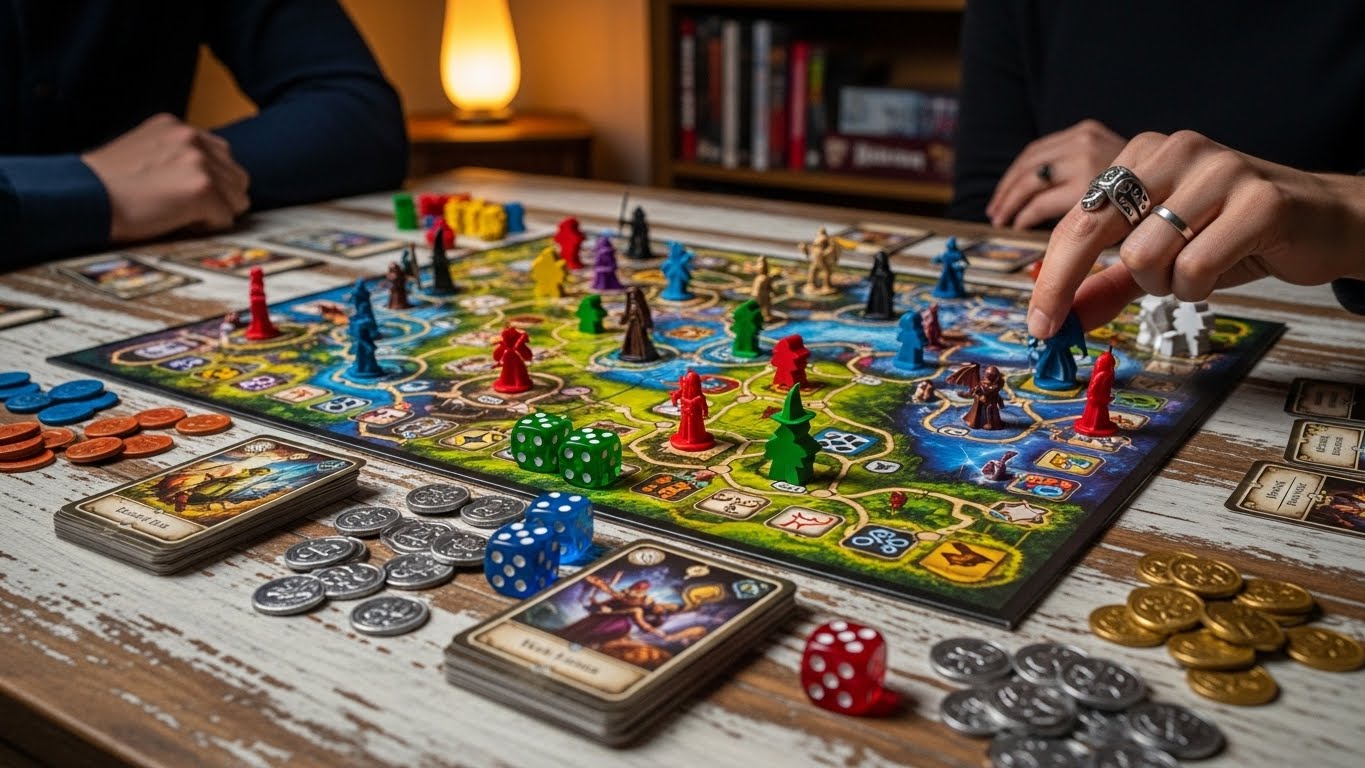
The history of games dates back thousands of years. Early civilizations played games like Senet in Egypt, Go in China, and chess in India, which tested strategy, patience, and problem-solving skills. These games were more than recreation; they were tools for education, socialization, and reflection of societal values.
The 20th century brought video games, beginning with simple arcade titles like Pong and Space Invaders. These games introduced new forms of interaction and storytelling, laying the groundwork for modern gaming culture. With the rise of home consoles, PCs, and online gaming, games became accessible to millions, evolving into complex, story-driven experiences.
Gaming and Technology
Technology has been a driving force in the evolution of games. Graphics engines, powerful processors, and high-speed internet have allowed developers to create immersive worlds with intricate detail. Artificial intelligence enhances gameplay by providing challenging opponents and dynamic environments.
Mobile devices and cloud gaming platforms have made games accessible anytime, anywhere. Virtual reality (VR) and augmented reality (AR) bring unprecedented immersion, allowing players to step inside digital worlds and interact with them as if they were real. Technology not only enhances gameplay but also expands the boundaries of creativity and innovation in gaming.
Types of Games
The gaming industry is diverse, offering experiences for every interest and skill level.
Action and Adventure Games: These games focus on fast-paced gameplay, exploration, and challenges. Titles like platformers, first-person shooters, and survival games engage players through reflexes, strategy, and immersive storytelling.
Role-Playing Games (RPGs): RPGs allow players to assume roles of characters in fictional worlds, making choices that impact the story. They are known for deep narratives, character development, and interactive environments.
Simulation Games: These games mimic real-world activities, from city-building to flight simulators. Players learn problem-solving, resource management, and strategy while enjoying realistic experiences.
Puzzle and Strategy Games: Games like Sudoku, chess, and digital strategy titles challenge cognitive skills, logic, and planning, appealing to players who enjoy mental challenges.
Sports and Racing Games: Digital versions of real-world sports and racing offer competitive gameplay, skill development, and the thrill of virtual competition.
Multiplayer Online Games: Massively multiplayer online games (MMOs) and esports titles connect players globally, fostering competition, teamwork, and social communities.
The Cultural Impact of Games
Games are now a cultural force, influencing art, music, and social behavior. Storytelling in games rivals that of films and literature, exploring themes like morality, identity, and human experience. Games also serve as platforms for social interaction, bringing together communities with shared interests.
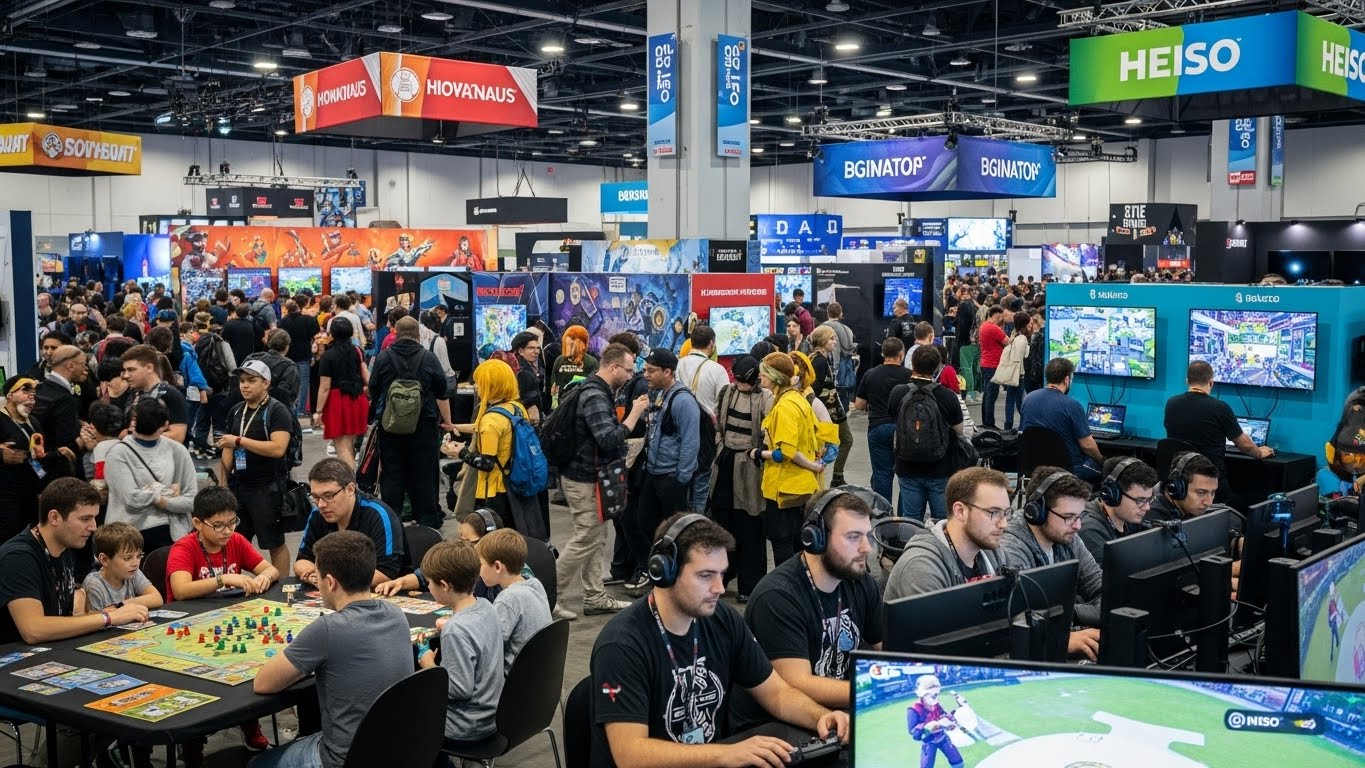
Esports has turned gaming into a spectator activity, attracting millions of viewers worldwide. Professional gamers are celebrities, and tournaments rival traditional sports events in scale and excitement. Games also foster creativity, as players create mods, fan art, and custom content, contributing to the culture surrounding their favorite titles.
The Psychological Benefits of Gaming
Beyond entertainment, games offer cognitive and psychological benefits. Strategic games improve problem-solving skills, decision-making, and critical thinking. Puzzle games enhance memory, concentration, and spatial reasoning. Multiplayer games promote teamwork, communication, and social skills.
Games can also provide stress relief, relaxation, and a sense of achievement. Immersive experiences allow players to escape daily pressures, explore new worlds, and engage with narratives that challenge their perspectives. While moderation is key, games have proven to be a valuable tool for mental stimulation and emotional well-being.
Gaming and Education
The educational potential of games is significant. Serious games, educational apps, and simulations provide interactive learning experiences that engage students more effectively than traditional methods. Gamification, the use of game mechanics in non-game contexts, motivates learning through rewards, challenges, and progress tracking.
History, science, and mathematics can be taught through game-based learning, where students participate actively rather than passively absorbing information. Virtual laboratories, historical simulations, and coding games allow learners to explore complex concepts in an engaging, hands-on manner.
Gaming Communities and Social Interaction
Online games foster vibrant communities where players share strategies, collaborate on quests, and engage in competitions. These communities often extend beyond games into forums, social media groups, and fan events.
Multiplayer gaming teaches communication, cooperation, and conflict resolution. Gamers form friendships across countries, cultures, and languages, creating global networks. Communities also provide support, mentorship, and shared experiences, making gaming a socially enriching activity.
Economic Impact of Gaming
The gaming industry has become a major economic driver. Game development companies create jobs in software engineering, art, music, and marketing. The global gaming market generates billions in revenue annually through game sales, subscriptions, in-game purchases, and esports events.
Streaming platforms and content creation have opened new opportunities for players to monetize their skills and personalities. Game-related merchandise, conventions, and tournaments contribute to local and global economies, solidifying gaming as a significant sector in entertainment and commerce.
Gaming and Innovation
Games drive innovation in multiple fields. Techniques developed for gaming, such as graphics rendering, AI, and interactive storytelling, often find applications in healthcare, education, and training simulations. VR and AR technologies, initially developed for gaming, are now used for surgical training, architectural visualization, and virtual collaboration.
The demand for realism, engagement, and interactivity in games pushes the boundaries of technology, encouraging creativity and experimentation. Innovations in cloud gaming, procedural generation, and immersive audio-visual design are transforming not just gaming but the broader tech landscape.
Challenges in Gaming
Despite its growth, the gaming industry faces challenges. Addiction and excessive gameplay can have social, psychological, and health consequences. Developers and platforms are increasingly implementing tools for parental controls, time management, and responsible gaming to address these issues.
The industry also grapples with diversity and inclusivity. Representation of gender, culture, and identity remains an ongoing challenge. Additionally, cybersecurity, cheating, and online harassment in multiplayer environments require constant attention and solutions.
The Future of Gaming
The future of gaming is full of possibilities. Emerging technologies such as cloud gaming, artificial intelligence, augmented reality, and haptic feedback will redefine player experiences. Games will become increasingly immersive, interactive, and personalized.
Esports will continue to grow, bridging the gap between traditional sports and digital competition. Virtual and augmented reality will expand social and collaborative gaming, allowing players to inhabit shared virtual worlds. Educational and serious games will integrate further into curricula, blending learning and entertainment seamlessly.
Conclusion: Games as a Cultural and Technological Force
Games have evolved from simple entertainment to a multifaceted cultural, technological, and economic phenomenon. They challenge the mind, foster creativity, build communities, and drive technological innovation. From casual mobile games to professional esports, gaming has become a global force shaping culture and society.
As technology advances, games will continue to expand their influence, offering immersive experiences, educational opportunities, and social connections. The world of gaming is no longer just a pastime; it is a dynamic ecosystem that reflects human ingenuity, creativity, and our desire to explore new worlds.
In embracing games, we embrace innovation, culture, and the limitless potential of imagination. They are not merely entertainment—they are a lens through which we understand ourselves, our communities, and the future of digital society.