gamechampion54
Introduction
Games have been an integral part of human civilization for thousands of years, evolving from simple pastimes into complex digital experiences. From ancient board games and outdoor activities to modern video games and immersive virtual realities, games have reflected human creativity, culture, and social interaction. Today, games are not just a source of entertainment—they are a major cultural force, an industry that drives technology, and a medium that connects millions of people worldwide.
This blog explores the evolution of games, the rise of digital gaming, the social and cultural impact of modern games, and the trends shaping the future of interactive entertainment.
The Origins of Games
Games have existed for millennia, with evidence of board games, dice games, and athletic competitions found in ancient civilizations. Early games served multiple purposes: teaching strategy, fostering social bonds, and offering recreational enjoyment. Games such as Senet in ancient Egypt, Go in China, and dice games in Rome reflected cultural values and societal priorities.
These early games emphasized skill, strategy, and competition. They were not just about winning or losing; they were tools for mental development, socialization, and leisure. This foundation set the stage for the sophisticated games that would emerge centuries later.
The Evolution of Board and Physical Games
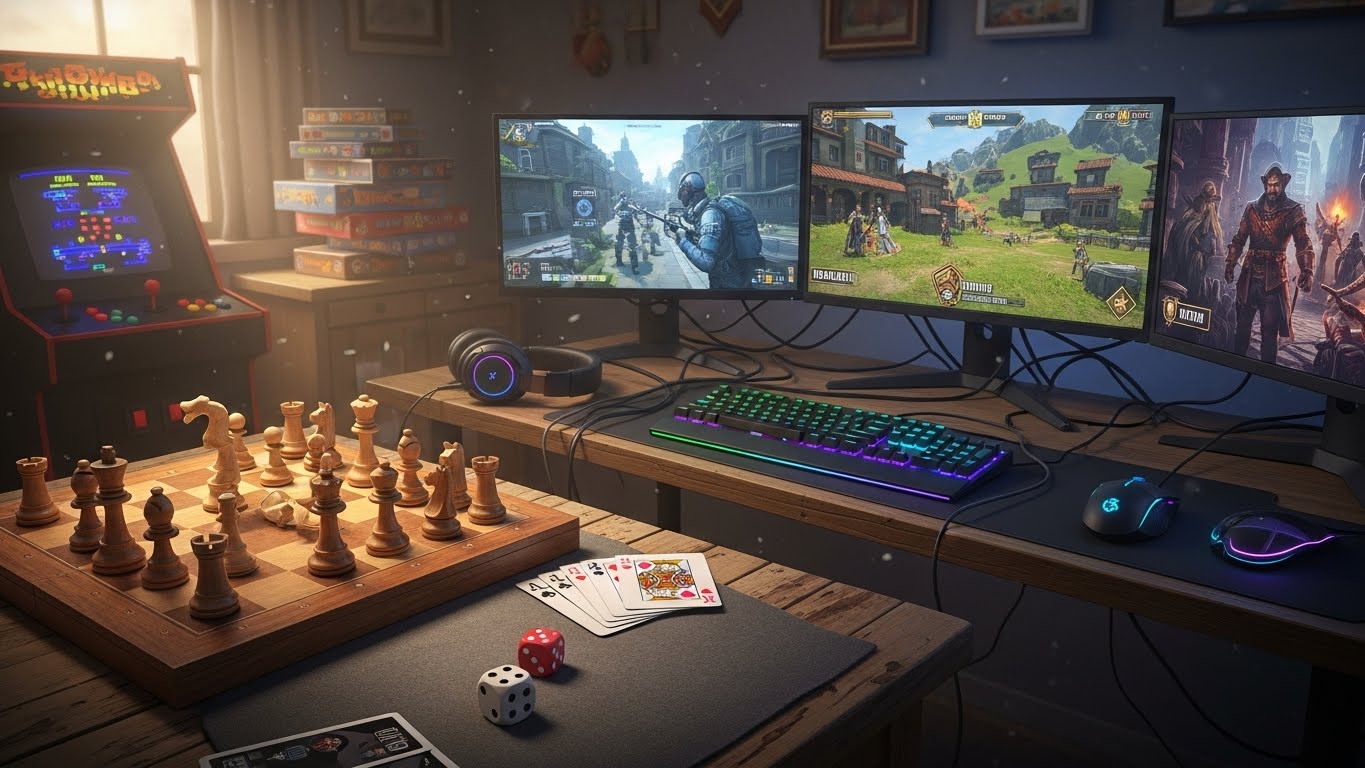
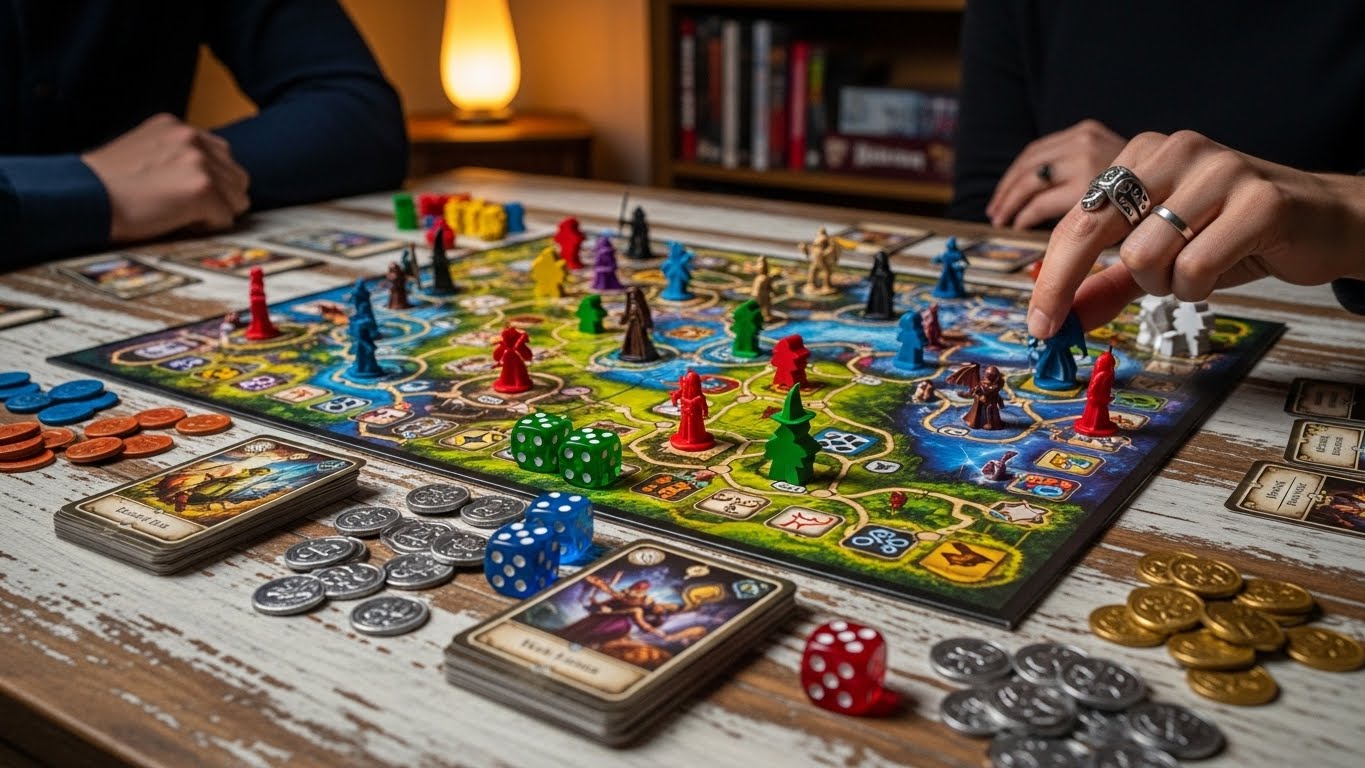
Before the digital era, games were primarily physical or tabletop-based. Chess, checkers, and card games like poker offered strategic challenges and social engagement. Sports and physical games such as soccer, basketball, and traditional folk games encouraged teamwork, coordination, and competitive spirit.
Board and physical games played an essential role in human development. They promoted critical thinking, problem-solving, and interpersonal skills. These games also became a source of family bonding and community engagement, demonstrating the social and cultural importance of structured play.
The Birth of Video Games
The invention of computers and electronic technology in the 20th century revolutionized the concept of games. Early video games, such as Pong and Space Invaders, offered simple, pixel-based entertainment but captivated players with their interactivity and challenge. The 1980s and 1990s saw the rise of home consoles, making video games more accessible and sophisticated.
Classic games like Super Mario Bros., The Legend of Zelda, and Tetris introduced rich narratives, engaging mechanics, and memorable characters. Players could now influence the game world directly, moving beyond passive observation to active participation. This era marked the beginning of gaming as a major entertainment medium.
Modern Digital Gaming and Its Diversity
Today, gaming encompasses a wide range of genres and platforms. From casual mobile games to highly competitive eSports, digital gaming caters to various interests and skill levels. Role-playing games, strategy games, simulations, shooters, and puzzle games each offer unique experiences and challenges.
Online multiplayer games have expanded the social aspect of gaming. Players can connect globally, collaborate in teams, and compete in real-time, creating a shared experience that transcends borders. This diversity ensures that gaming is inclusive and appealing to a wide audience, making it a central pillar of modern entertainment.
Mobile Gaming: Play Anywhere, Anytime
The rise of smartphones has transformed how people engage with games. Mobile gaming allows players to access games anywhere and anytime, offering short, convenient bursts of entertainment or extended play sessions. Popular titles like Candy Crush, Clash of Clans, and PUBG Mobile have demonstrated the appeal of mobile platforms.
Mobile games often include social features, achievements, and rewards, keeping players engaged and connected. The accessibility and convenience of mobile gaming have attracted a broad audience, making it one of the fastest-growing segments of the industry.
eSports: Competitive Gaming on a Global Stage
eSports has turned gaming into a competitive spectacle. Professional gaming tournaments now attract millions of viewers worldwide, with games like League of Legends, Dota 2, and Counter-Strike leading the way. Players train rigorously, often with coaching, strategies, and support teams similar to traditional athletes.
eSports has created new career paths, including professional players, commentators, coaches, and content creators. The global appeal of competitive gaming has also fostered community engagement, sponsorship opportunities, and mainstream recognition of gaming as a legitimate form of sport and entertainment.
Gaming Technology: Enhancing the Experience
Technology drives the modern gaming experience. High-definition graphics, realistic physics engines, and immersive audio design bring virtual worlds to life. Artificial intelligence powers dynamic gameplay, adaptive difficulty, and responsive NPCs (non-player characters), creating a more engaging experience.
Virtual reality (VR) and augmented reality (AR) offer entirely new levels of immersion. Players can interact with digital environments physically, exploring, manipulating, and navigating virtual spaces. Cloud gaming allows players to access high-quality games without expensive hardware, further expanding accessibility.
Social Interaction in Gaming
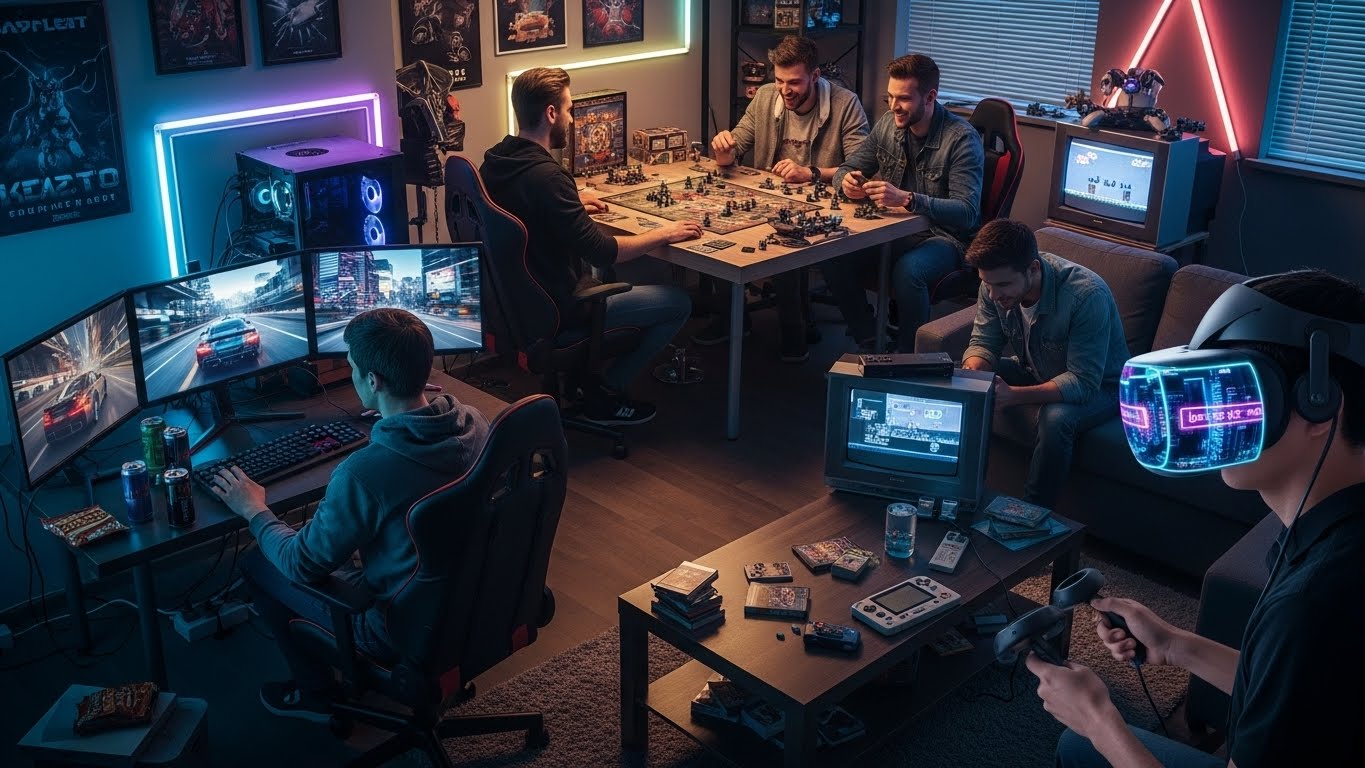
Games are increasingly social experiences. Multiplayer games, online communities, and streaming platforms allow players to interact, collaborate, and compete. Guilds, clans, and teams provide structured social networks, fostering communication, teamwork, and friendship.
Streaming has created a new entertainment ecosystem, where players share gameplay experiences with audiences worldwide. Viewers interact with streamers through chat, participate in challenges, and form communities centered around shared gaming interests. This social dimension makes gaming both engaging and culturally influential.
Educational and Cognitive Benefits
Beyond entertainment, games provide educational and cognitive benefits. Strategy and puzzle games enhance problem-solving, critical thinking, and decision-making skills. Simulation and management games teach planning, resource management, and creativity.
Educational games combine learning and play, making subjects like math, science, and history more interactive and engaging. Gamification techniques, such as rewards, achievements, and challenges, encourage persistence and motivation, demonstrating that games can be both fun and intellectually enriching.
Gaming and Culture
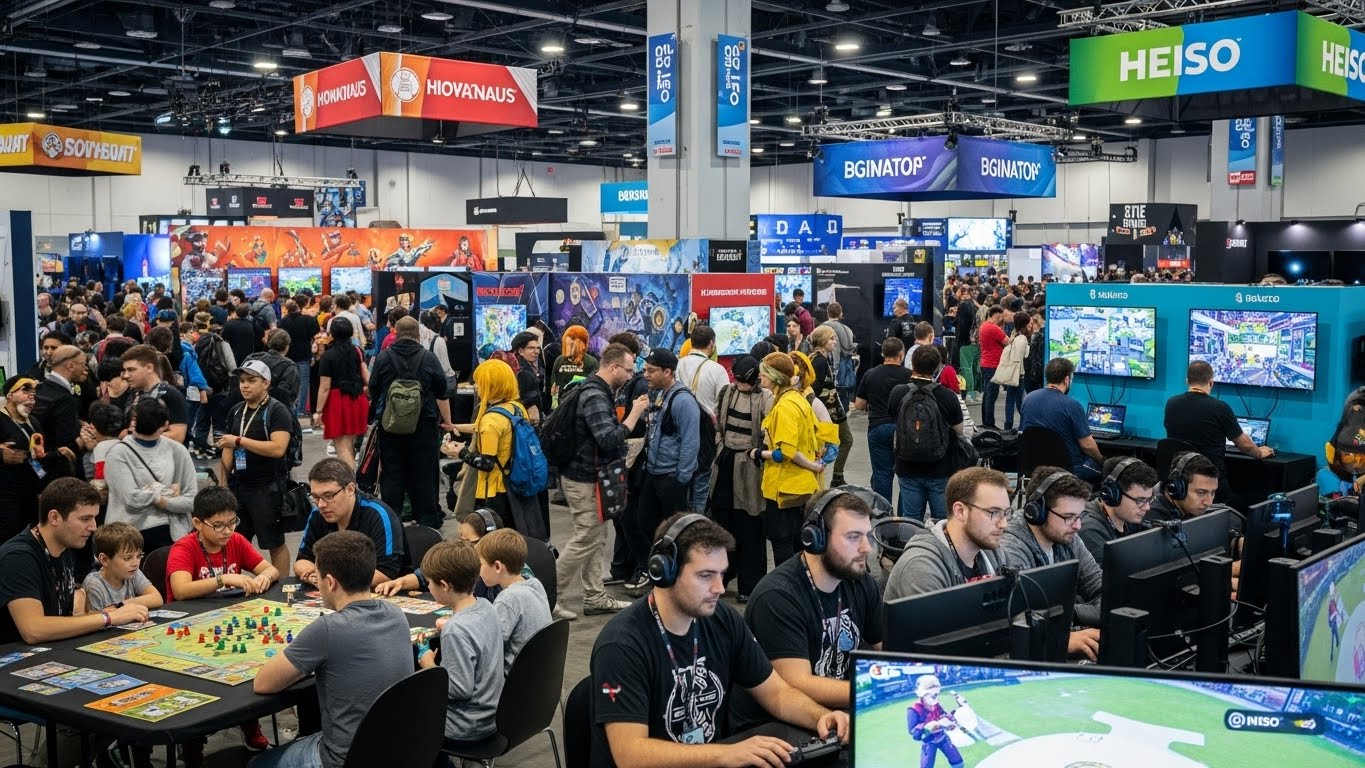
Gaming has become a cultural force. Popular games inspire art, music, fashion, and storytelling. Iconic characters, narratives, and worlds influence movies, merchandise, and fan communities. Gaming conventions, tournaments, and festivals celebrate this cultural impact, creating spaces for fans to connect and engage with creators.
Gaming culture emphasizes creativity, collaboration, and innovation. It also promotes inclusivity, as players from diverse backgrounds come together through shared interests. Games have become a lens through which society explores identity, teamwork, and imagination.
Challenges in Gaming
The gaming industry faces challenges, including addiction, cyberbullying, and toxic behavior. Developers and platforms implement measures such as parental controls, reporting systems, and responsible gaming initiatives to promote safe and positive experiences.
Balancing engagement with well-being is crucial. Ethical game design, mental health awareness, and educational initiatives ensure that gaming remains a healthy and enjoyable activity for players of all ages.
The Future of Gaming
The future of gaming promises even greater immersion, interactivity, and innovation. Advances in AI, VR, AR, and cloud technology will create dynamic, responsive experiences that adapt to individual players. Cross-platform gaming will unify communities, while mobile and streaming platforms continue to expand access.
Games will increasingly blend entertainment with education, culture, and social interaction. Virtual worlds, adaptive narratives, and immersive gameplay will redefine how people experience entertainment, making games a central component of global culture.
Conclusion
Games have evolved from simple pastimes into a complex, diverse, and immersive industry. Modern games combine technology, storytelling, social interaction, and creativity, offering experiences that entertain, educate, and connect people worldwide. From mobile games and VR adventures to eSports and global gaming communities, the world of games continues to shape culture, leisure, and human interaction.
As technology advances and player expectations evolve, games will remain at the forefront of entertainment, offering experiences that are engaging, innovative, and transformative. The world of games is not just about play—it is about connection, creativity, and shared human experience.