gamechampion54
Introduction: The Power of Games
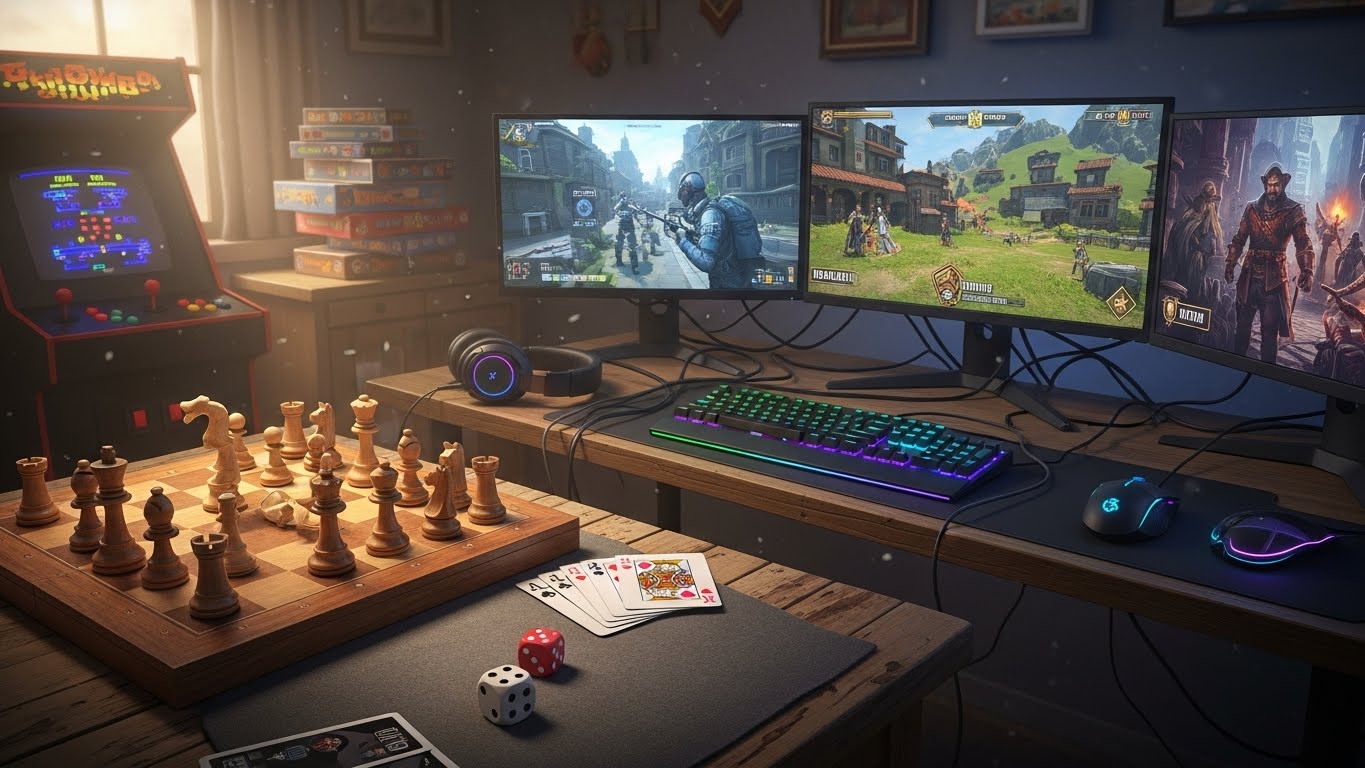
Games have been an essential part of human culture for centuries, evolving from simple board games and physical sports to complex video games and immersive digital experiences. They serve not only as a form of entertainment but also as tools for learning, social interaction, and personal development. The gaming industry has grown into a multi-billion-dollar global phenomenon, influencing technology, media, and even education. In this blog, we explore the history of games, the evolution of digital gaming, the impact on society, current trends, and what the future holds for players and developers alike.
The Origins of Games
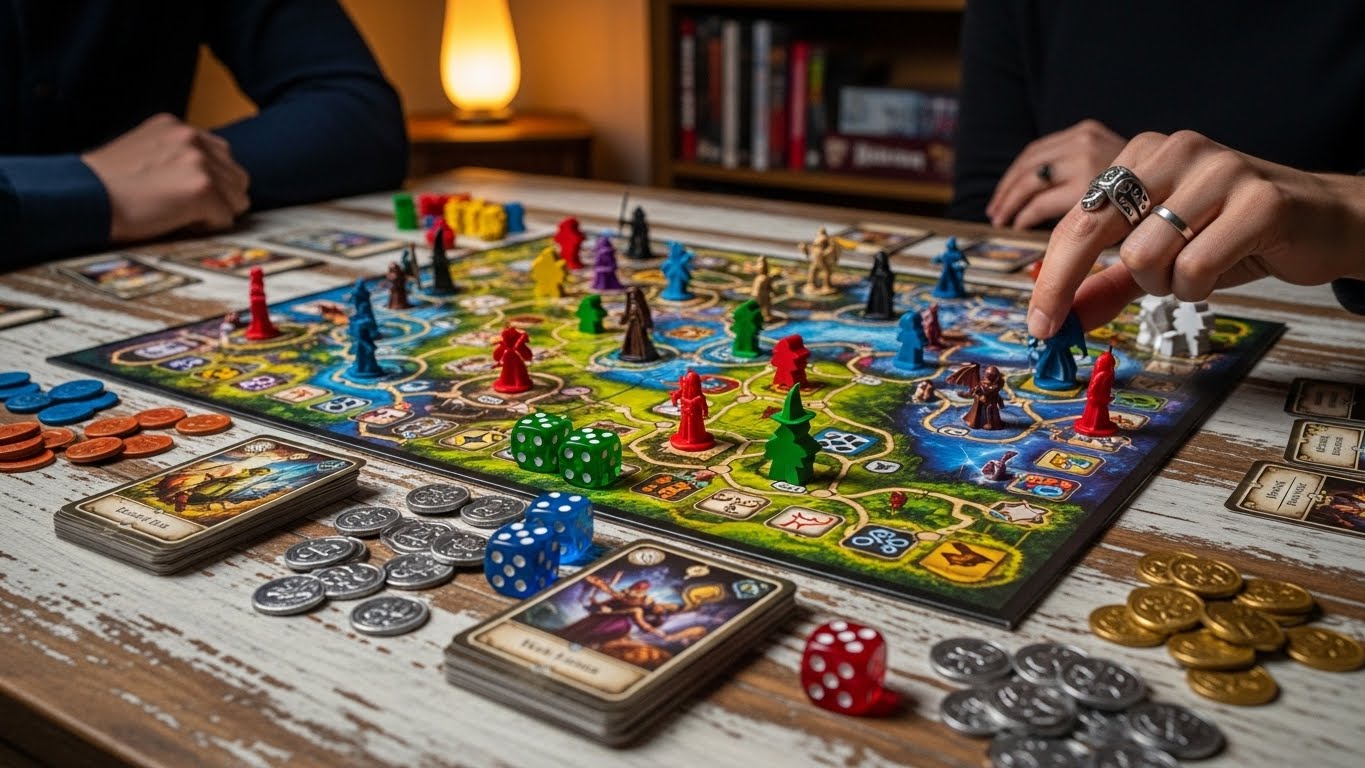
The concept of games dates back thousands of years. Ancient civilizations developed games for leisure, competition, and even spiritual purposes. Examples include board games like Senet in ancient Egypt and Go in ancient China. These games were more than just entertainment; they were often linked to strategy, skill development, and social interaction.
Physical games, including sports and outdoor activities, also played a major role in shaping communities. From early Olympic games in Greece to traditional folk games in various cultures, physical gaming provided a platform for competition, teamwork, and physical fitness. These foundational experiences have influenced modern gaming principles, emphasizing skill, strategy, and social engagement.
The Rise of Digital Gaming
The late 20th century marked a dramatic shift with the rise of digital gaming. The introduction of personal computers, gaming consoles, and arcade machines transformed how people interacted with games. Early video games, such as Pong and Space Invaders, captured the imagination of players and laid the groundwork for the industry we know today.
Gaming consoles like the Nintendo Entertainment System and Sega Genesis brought immersive experiences into homes, making video games accessible to millions. At the same time, PC gaming grew with the development of role-playing games, strategy games, and simulation titles. These platforms offered new ways to engage with stories, characters, and competitive environments.
Core Elements of Modern Games
Gameplay and Mechanics
At the heart of every game is its gameplay—the rules, objectives, and challenges that define the player’s experience. Game mechanics can vary from simple puzzles to complex systems that require strategic thinking, reflexes, and collaboration. Developers continually innovate to create engaging gameplay that keeps players invested over time.
Storytelling and Immersion
Many modern games integrate compelling narratives, creating immersive worlds where players feel connected to characters and events. Role-playing games, adventure titles, and open-world simulations emphasize story-driven gameplay, often rivaling books and films in depth and creativity. Immersion is enhanced by high-quality graphics, sound design, and interactive environments that respond to player choices.
Social Interaction
Games today often prioritize social connectivity. Multiplayer games allow players to collaborate or compete with friends and strangers worldwide. Online communities, clans, and tournaments foster a sense of belonging, transforming games into platforms for social engagement and collective achievement.
The Impact of Games on Society
Educational Benefits
Games are increasingly recognized for their educational potential. Educational games and simulations teach critical thinking, problem-solving, and decision-making skills. Gamified learning platforms enhance engagement and motivation, making subjects like math, science, and history more interactive and enjoyable.
Cognitive and Psychological Effects
Research shows that gaming can improve cognitive skills such as memory, spatial awareness, and multitasking. Strategic games enhance planning and resource management, while fast-paced action games improve reflexes and hand-eye coordination. Additionally, games can offer stress relief, relaxation, and a safe space for creative expression.
Economic and Cultural Influence
The gaming industry contributes significantly to the global economy. It creates jobs in game development, marketing, content creation, and esports. Cultural influence is also evident as games shape entertainment trends, storytelling methods, and popular culture. Iconic games and franchises inspire movies, merchandise, and fan communities, demonstrating the broad impact of gaming beyond mere play.
Current Trends in Gaming
Mobile Gaming
Smartphones and tablets have transformed gaming by making it portable and accessible. Mobile games cover a wide spectrum, from casual puzzles to competitive battle arenas. The convenience and low barrier to entry have made mobile gaming one of the fastest-growing sectors in the industry.
Virtual Reality and Augmented Reality
VR and AR technologies are changing the gaming landscape by providing immersive, interactive experiences. Virtual reality allows players to step inside fully realized worlds, while augmented reality blends digital content with the real environment, creating unique gameplay possibilities that engage multiple senses.
Esports and Competitive Gaming
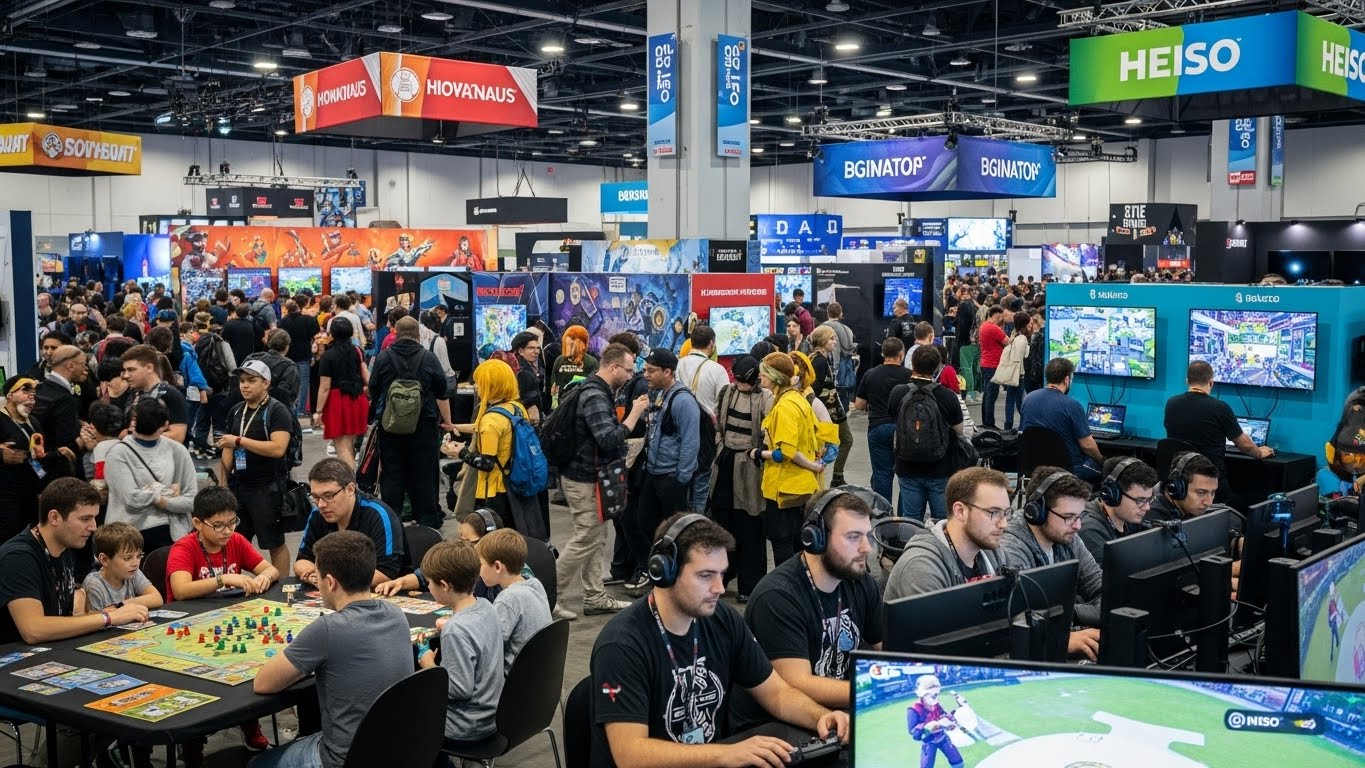
Esports has grown into a global phenomenon, with professional players, teams, and tournaments attracting millions of viewers. Competitive gaming is not only a source of entertainment but also a viable career path for skilled players. Sponsorships, broadcasting rights, and prize pools highlight the economic potential of esports as a professional industry.
Cloud Gaming and Streaming
Cloud gaming platforms allow players to stream high-quality games without needing powerful hardware. This technology democratizes access, enabling more people to enjoy complex games on modest devices. Streaming services and platforms also encourage community engagement by allowing players to broadcast gameplay and connect with audiences worldwide.
Challenges Facing the Gaming Industry
Regulation and Age Restrictions
Games, especially those with violent or mature content, require careful regulation to protect young audiences. Developers and platforms must enforce age restrictions and adhere to legal guidelines, which vary across regions. Balancing creative freedom with responsible content delivery is an ongoing challenge.
Addiction and Mental Health Concerns
While gaming offers numerous benefits, excessive play can lead to addiction and social withdrawal. Developers and communities are increasingly adopting responsible gaming measures, including in-game timers, parental controls, and awareness campaigns to promote healthy gaming habits.
Cybersecurity and Privacy
Online and multiplayer games handle sensitive personal information, making cybersecurity critical. Protecting players from hacking, data breaches, and fraud requires robust security systems, frequent updates, and user education. The industry must prioritize player safety alongside technological innovation.
The Future of Gaming
Artificial Intelligence in Games
AI is set to revolutionize gaming by creating smarter, more adaptive NPCs, procedural content generation, and personalized experiences. AI-driven analytics will help developers understand player behavior and improve game design, ensuring more engaging and responsive gameplay.
Expanded Social and Virtual Worlds
The future of gaming will likely blur the lines between digital and real-world interaction. Social virtual spaces, metaverse environments, and persistent online worlds will allow players to live, socialize, and play within interconnected digital universes, creating new forms of entertainment and social engagement.
Sustainability and Ethical Development
As the industry grows, sustainability and ethical practices will become more important. Developers are exploring ways to reduce environmental impact, ensure fair labor practices, and foster inclusive, diverse gaming communities. Ethical development will be a key factor in maintaining public trust and long-term success.
Conclusion: Games as a Force for Innovation and Connection
Games have evolved far beyond simple entertainment. They are platforms for creativity, education, social interaction, and professional competition. From ancient board games to immersive virtual realities, gaming reflects human innovation and the desire for challenge, storytelling, and connection.
The gaming industry continues to expand, driven by technological advancements, creative storytelling, and global communities. Despite challenges such as addiction, regulation, and cybersecurity, the potential of games to entertain, educate, and connect people remains unparalleled.
As we look to the future, gaming promises even more immersive experiences, social integration, and opportunities for personal growth. It is not just a pastime; it is a dynamic cultural and technological force shaping how we play, learn, and interact in the digital age.