gamechampion54
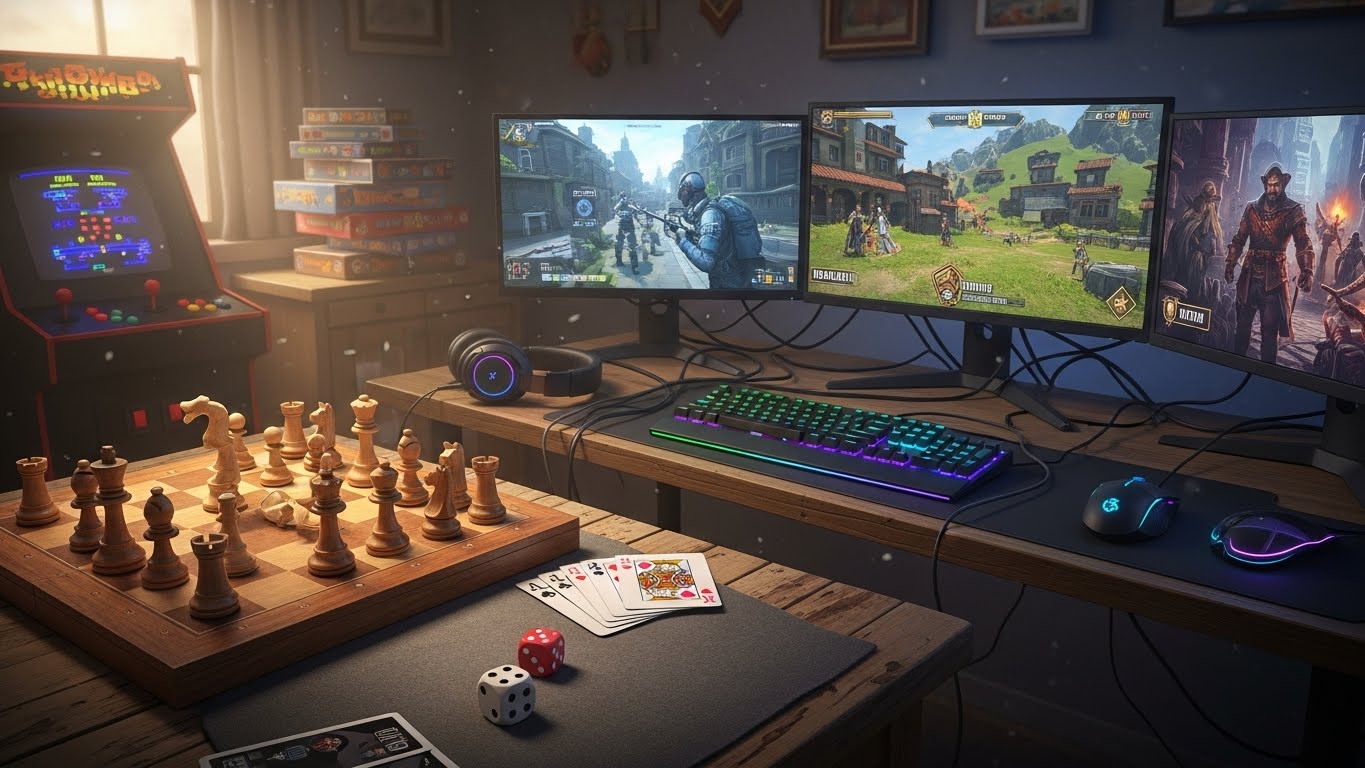
Games have been a part of human civilization for centuries, serving not only as a source of entertainment but also as a medium for learning, social connection, and creative expression. From ancient board games to modern virtual realities, games reflect the culture, technology, and imagination of their time. In this blog, we will explore the multifaceted universe of games, their evolution, their impact on individuals and communities, and why they continue to captivate audiences worldwide.
The Historical Roots of Gaming
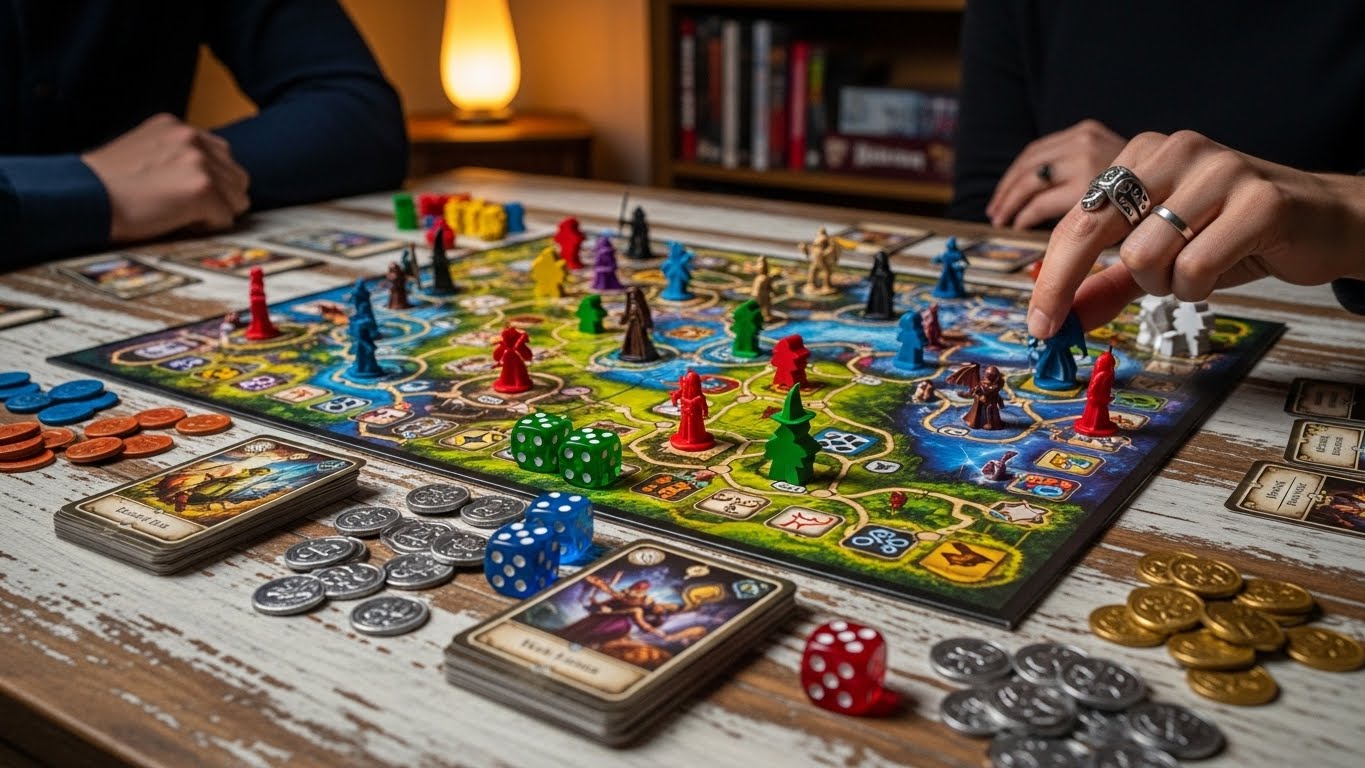
Long before the invention of video games, humans engaged in recreational activities that tested skill, strategy, and luck. Board games such as Senet in ancient Egypt and Go in China were more than just pastimes; they were reflections of society and intellectual pursuits. Senet, for instance, was believed to have spiritual significance, representing the journey of the soul through the afterlife. Go, on the other hand, emphasized strategic thinking and complex planning, principles that are still celebrated in modern gaming. These early games laid the foundation for structured play, teaching rules, fairness, and critical thinking.
The Evolution of Video Games
The mid-20th century marked a revolutionary change in gaming with the advent of video games. Simple pixelated games like Pong introduced interactive digital entertainment to the masses, while subsequent titles expanded the boundaries of storytelling and gameplay. Games like Super Mario Bros. and The Legend of Zelda brought rich narratives and imaginative worlds into homes, capturing the imagination of millions. Over the years, video games evolved from simple entertainment to complex experiences that combine art, music, and interactive storytelling. Today, the gaming industry is a multi-billion-dollar ecosystem, reflecting creativity, innovation, and global appeal.
Games as a Tool for Learning
Games are not just entertainment; they are powerful tools for education and personal growth. Educational games enhance cognitive skills, problem-solving abilities, and decision-making. For children, games that involve puzzles, memory challenges, or strategy can improve logical reasoning and concentration. Even adults benefit from games that require planning, resource management, or collaboration. Many educational institutions now incorporate gamification in teaching methodologies, using game-based learning to engage students more effectively. Beyond formal education, games also teach patience, resilience, and adaptability, qualities essential in everyday life.
The Social Impact of Gaming
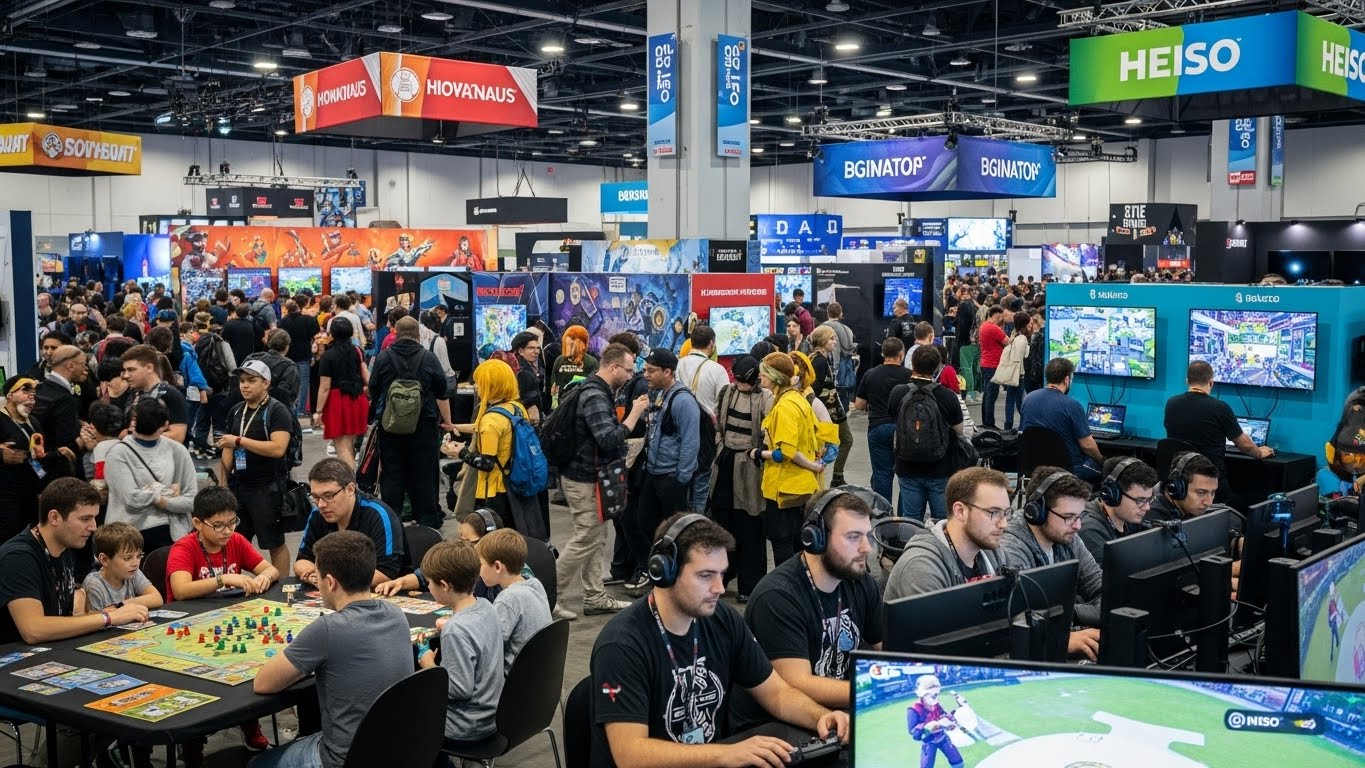
Gaming is inherently social, bringing people together across cultures and geographies. Multiplayer games, whether online or offline, foster teamwork, communication, and collaboration. Communities form around shared interests, creating spaces for friendship and mutual support. Esports, competitive gaming on a professional level, has transformed gaming into a spectator sport, drawing audiences in the millions and offering lucrative careers for talented players. Social games also provide a platform for inclusivity, allowing individuals with diverse abilities to connect and participate in shared experiences.
The Psychological Appeal of Games
Why are humans so drawn to games? Psychologists suggest that games fulfill intrinsic human desires such as achievement, mastery, and recognition. The structure of games—rules, goals, challenges, and rewards—creates a sense of accomplishment and satisfaction. Games also offer a safe space to experiment, take risks, and explore identities. They provide an escape from reality, offering experiences that range from thrilling adventures to calming simulations. The emotional engagement in games is profound, often leaving lasting memories and forging connections that transcend the virtual world.
The Rise of Immersive Gaming Experiences
With advancements in technology, games have become more immersive than ever. Virtual reality and augmented reality games transport players into lifelike worlds, engaging multiple senses and offering unprecedented interactivity. Open-world games allow players to explore vast landscapes, interact with dynamic environments, and create personalized stories. These immersive experiences blur the line between reality and fantasy, giving players the freedom to experiment, explore, and express themselves creatively. The trend of immersive gaming reflects the growing desire for deeper engagement and emotional investment in virtual worlds.
The Artistic Side of Games
Games are increasingly recognized as an art form, combining visual design, music, narrative, and interactive mechanics. Every element of a game—from character design to soundtrack—contributes to the storytelling and emotional experience. Games like Journey, Ori and the Blind Forest, and Hollow Knight demonstrate the potential of games to evoke profound emotions, convey complex themes, and create aesthetic experiences. Artists and designers use games as a canvas, pushing the boundaries of creativity and innovation. In this sense, games are not merely entertainment; they are a cultural expression and a medium for artistic exploration.
The Future of Gaming
The future of gaming is poised to be even more dynamic and transformative. Artificial intelligence, cloud gaming, and advanced graphics are shaping new possibilities for interactivity and realism. Games are increasingly personalized, adapting to individual play styles, preferences, and skill levels. Social interaction within games will continue to grow, with virtual communities becoming more immersive and interconnected. Moreover, games are likely to expand into areas beyond entertainment, including therapy, education, and social development. The potential of gaming to enrich human experience is limitless, limited only by imagination and technological innovation.
Conclusion
Games are far more than mere pastimes. They are cultural artifacts, educational tools, social platforms, and artistic expressions. From the strategic board games of antiquity to the immersive digital worlds of today, games reflect human creativity, curiosity, and the desire to connect. They challenge us, entertain us, and sometimes even teach us valuable life lessons. The world of gaming continues to evolve, offering new experiences, new stories, and new ways to engage with one another. Whether played casually with friends or competitively on a global stage, games hold a unique power to unite, inspire, and delight. As technology advances and creativity knows no bounds, the enchanting world of games will continue to captivate generations to come, proving that play is not just a pastime—it is a profound part of what it means to be human.