gamechampion54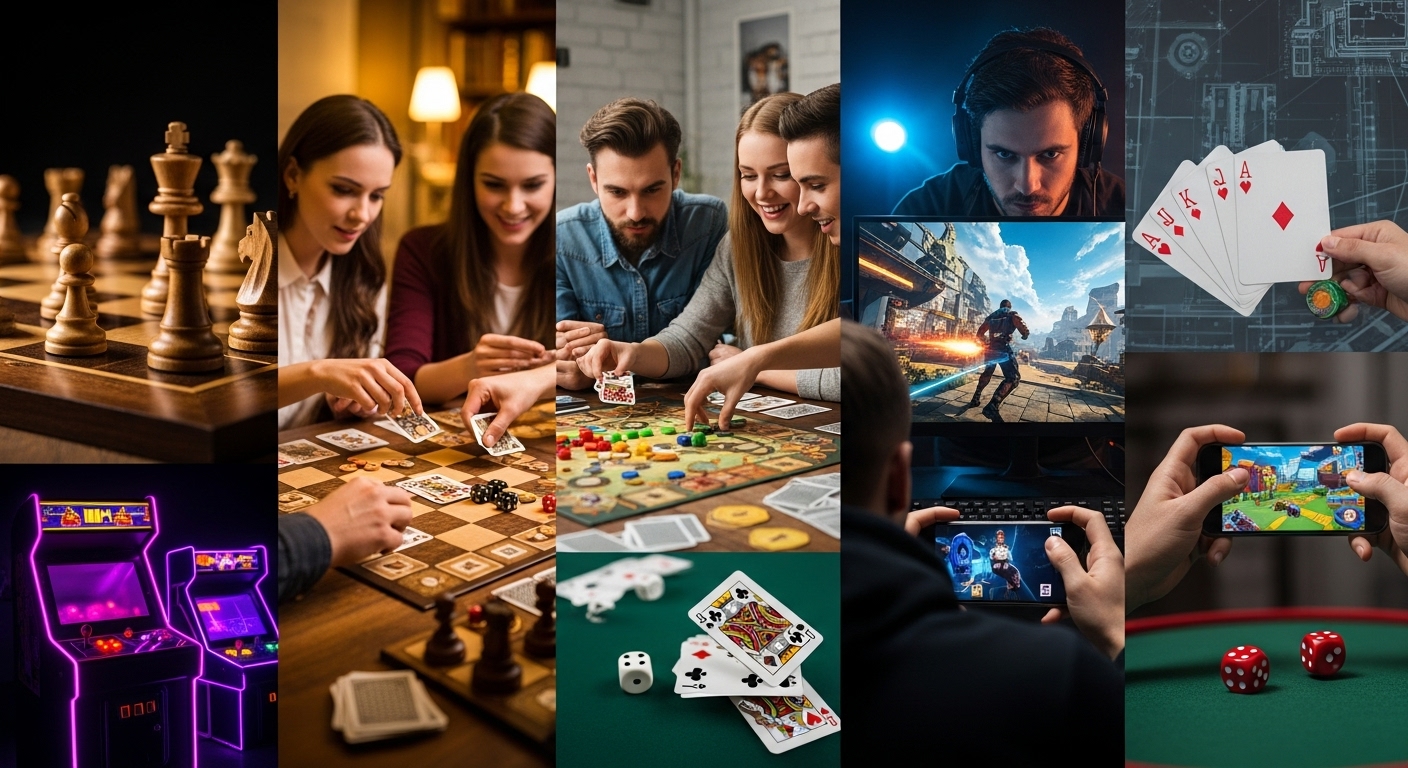
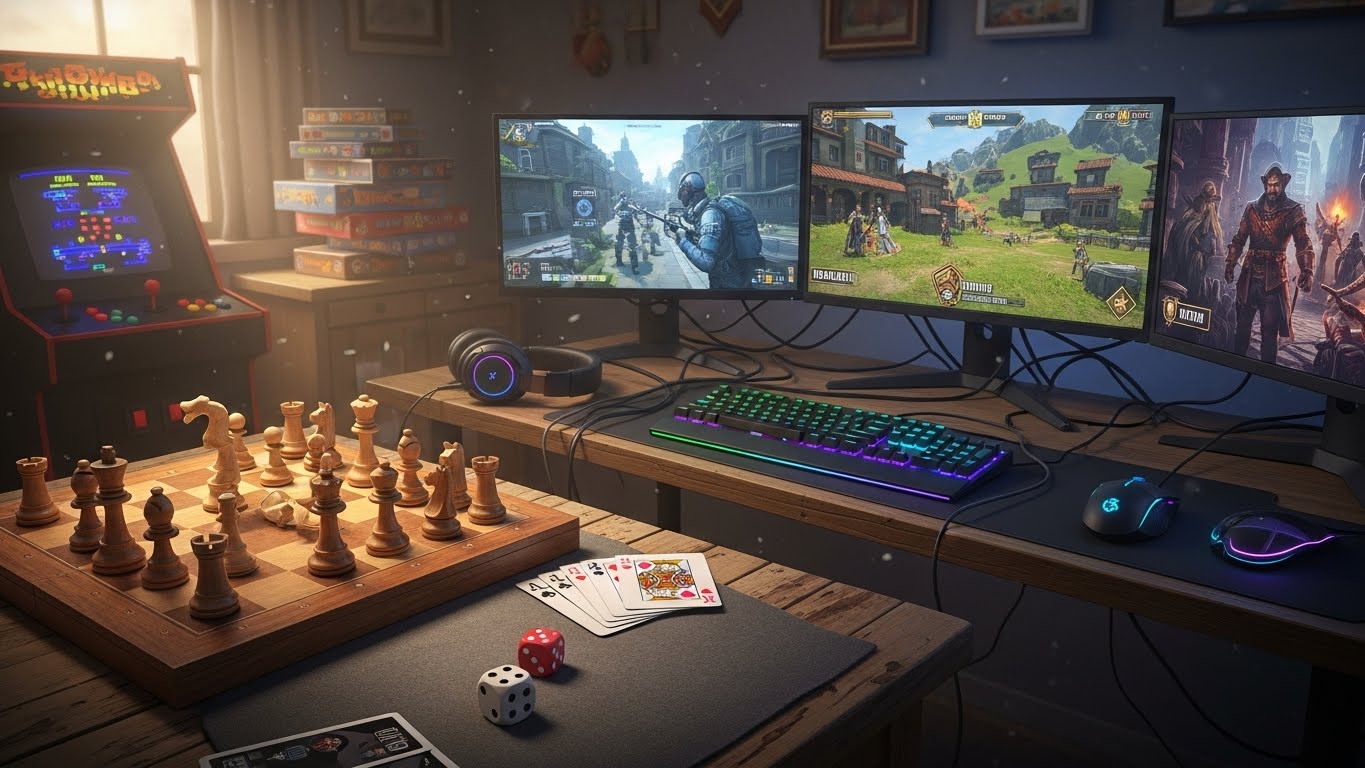
Games have been a part of human civilization since the beginning of time. From ancient board games carved into stones to modern virtual realities powered by advanced technology, the human love for play has never faded. Games are not just a pastime; they represent imagination, creativity, strategy, and the innate human desire to challenge oneself. Over time, the definition of gaming has evolved. What once began as simple physical or board games has transformed into an expansive digital universe that entertains billions of people across the globe. In this blog, we will explore the journey of games, their impact on culture, the rise of video games, and how gaming continues to shape the future of entertainment and social connection.
The Roots of Gaming in Ancient Times
Long before digital screens and consoles existed, ancient civilizations enjoyed games that reflected their cultures and daily lives. Archaeological discoveries have revealed that games like Senet in ancient Egypt, Go in China, and Mancala in Africa date back thousands of years. These early games were not merely a source of entertainment; they held cultural and spiritual meanings. For example, Senet was believed to represent the journey of the soul in the afterlife, while Go symbolized strategic thinking and intellectual mastery.
As societies grew, so did their games. The Greeks and Romans enjoyed athletic competitions that tested strength, agility, and intelligence. The Olympic Games in ancient Greece are a prime example of how games became intertwined with religion, honor, and community spirit. They were more than physical contests; they symbolized unity and excellence.
The Birth of Modern Board Games
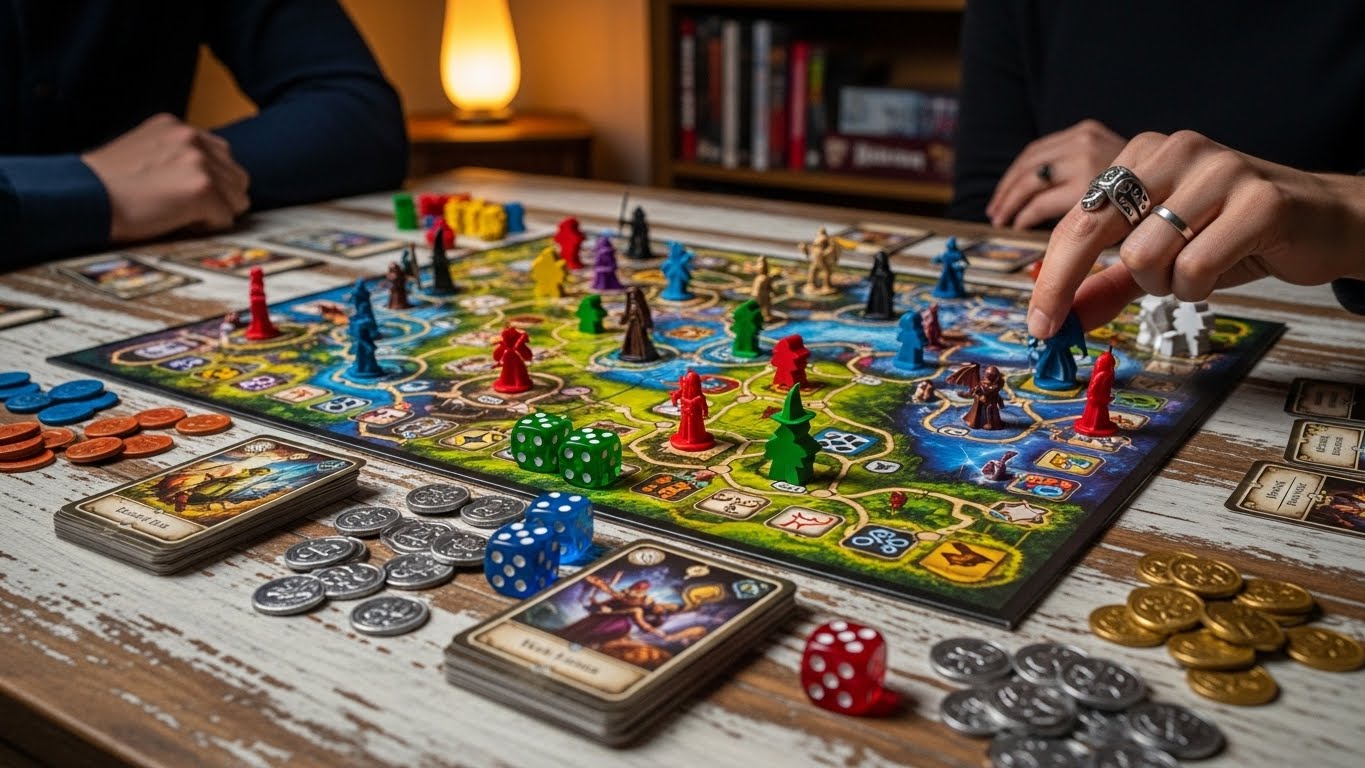
The Industrial Revolution brought about social changes that also influenced gaming. With more leisure time available to the middle class, board games began to rise in popularity. The 19th and 20th centuries saw the creation of classics like Chess, Checkers, and Monopoly. These games encouraged family interaction and friendly competition, providing an escape from the routine of daily life.
Board games also became tools for learning. Children developed mathematical and social skills, while adults used them for strategic thinking and relaxation. Companies began producing themed games that reflected world events, economics, and fantasy worlds. As the 20th century progressed, the concept of gaming continued to evolve beyond the physical world.
The Digital Revolution and the Birth of Video Games
The invention of computers and electronic circuits in the mid-20th century marked the dawn of a new era in gaming. The first recognizable video game, “Tennis for Two,” was developed in the late 1950s, followed by “Pong” in the early 1970s. These simple yet revolutionary creations sparked a cultural shift that would eventually give rise to a multibillion-dollar industry.
Video games quickly became more than just experiments; they became a form of art and storytelling. In the 1980s, arcade machines like Pac-Man, Donkey Kong, and Space Invaders dominated entertainment venues. The bright lights and exciting sounds of arcades became social centers for young people. Home consoles soon followed, bringing the excitement of the arcade into living rooms. Companies like Nintendo, Sega, and later Sony and Microsoft revolutionized the way people interacted with games.
The Golden Age of Gaming
The late 1980s and 1990s are often referred to as the golden age of video gaming. This period saw the birth of legendary franchises that still influence the industry today. Games such as Super Mario Bros., The Legend of Zelda, and Final Fantasy defined genres and set standards for storytelling and design.
Graphics improved, music became more immersive, and gameplay mechanics evolved to offer deeper experiences. Players could now embark on epic adventures, solve intricate puzzles, or compete against friends in virtual arenas. The introduction of 3D gaming in the mid-1990s transformed the landscape entirely, creating worlds that players could explore freely.
This was also the era when gaming became mainstream. No longer just a niche hobby for tech enthusiasts, video games began attracting audiences of all ages. The arrival of handheld consoles like the Game Boy allowed gaming on the go, proving that this new form of entertainment could fit seamlessly into everyday life.
The Rise of Online Gaming and Global Communities
The late 1990s and early 2000s brought another revolution: online gaming. The internet connected players from around the world, turning gaming into a global experience. Multiplayer online games such as World of Warcraft, Counter-Strike, and later Fortnite redefined social interaction in the digital space.
For the first time, players could cooperate, compete, and communicate with others across continents. Online gaming gave rise to virtual communities, friendships, and even economies. Esports emerged as a legitimate career path for skilled players, transforming gaming into a spectator sport watched by millions.
Online platforms also democratized game creation. Independent developers could now publish their work to a global audience without needing large budgets or corporate backing. This led to an explosion of creativity and diversity in game design, allowing unique and artistic experiences to thrive alongside major blockbusters.
The Art and Storytelling of Modern Games
Modern games have evolved into complex works of art that combine visuals, music, writing, and interactivity. Games like The Last of Us, Red Dead Redemption, and Journey have demonstrated that gaming can evoke the same emotional depth as literature or cinema. Players are not just observers; they are participants who influence the story’s outcome through their choices.
This interactivity is what makes gaming such a powerful medium. It allows people to experience perspectives beyond their own, to step into different worlds and live out impossible adventures. Educational games teach history, science, and problem-solving, while narrative-driven games explore themes like morality, love, and loss.
The artistry of gaming also extends to visual design. Advances in graphics technology have made game worlds breathtakingly realistic. From the detailed landscapes of open-world adventures to the hand-drawn beauty of indie creations, the range of artistic expression in games is endless.
The Psychological and Social Impact of Games
Games are often seen merely as entertainment, but their influence reaches far deeper. Psychologically, games offer stress relief, cognitive stimulation, and emotional engagement. They challenge the brain to solve problems, make decisions, and adapt to changing situations.
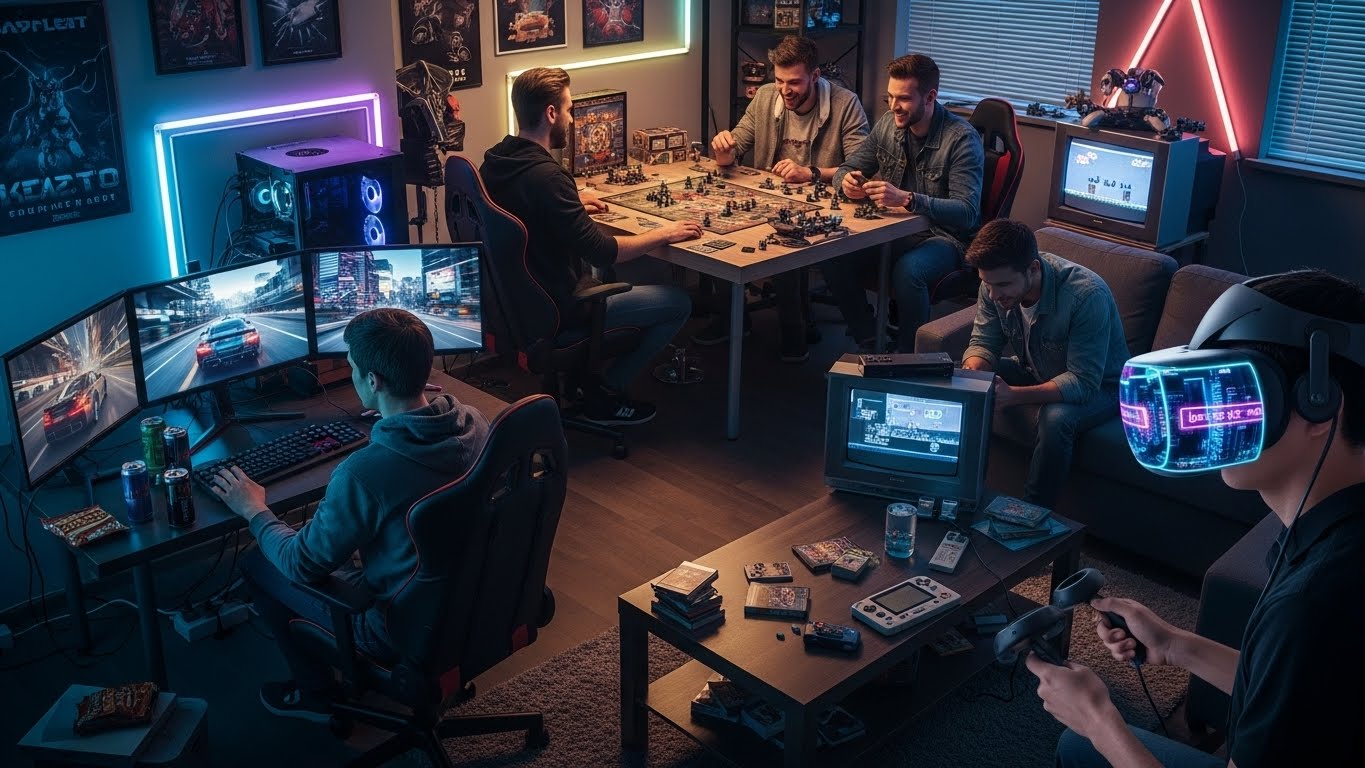
Moreover, games can bring people together. In a world increasingly driven by digital communication, gaming provides shared experiences that transcend geography and language. Cooperative games foster teamwork, while competitive ones encourage discipline and focus.
However, the impact of gaming is not without challenges. Concerns about addiction, screen time, and violence in video games have sparked debates among parents, educators, and policymakers. Yet, research increasingly shows that when played responsibly, games can have overwhelmingly positive effects—enhancing coordination, creativity, and even empathy.
Mobile Gaming: Entertainment in the Palm of Your Hand
The advent of smartphones changed gaming forever. Suddenly, millions of people who had never owned a console or PC could access games at their fingertips. Mobile gaming democratized the industry, making it accessible to every demographic.
Simple yet addictive titles like Angry Birds, Candy Crush, and Clash of Clans became cultural phenomena. Over time, mobile games grew more sophisticated, rivaling traditional platforms in graphics and gameplay. Today, mobile gaming represents the largest segment of the gaming market, blending convenience with innovation.
Mobile games have also played a major role in social interaction. They connect friends and family across distances and introduce gaming to people who might never have considered themselves “gamers.” The portability and ease of access ensure that gaming remains part of everyday life.
The Future of Gaming: Virtual Reality, AI, and Beyond
As technology continues to advance, the boundaries of gaming expand further. Virtual reality (VR) and augmented reality (AR) have opened new dimensions of immersion. Players can step inside the game world, interact physically with digital elements, and experience environments as if they were real.
Artificial intelligence (AI) is also transforming game design. Smarter NPCs, adaptive gameplay, and realistic simulations make games more dynamic than ever. AI-driven storytelling allows for unique experiences tailored to each player’s actions and preferences.
The future may also bring innovations we can barely imagine today. Holographic gaming, full-body immersion, and brain-computer interfaces are being explored as potential developments. These technologies will blur the line between the physical and digital worlds, creating entirely new forms of entertainment and education.
Gaming as a Cultural Phenomenon
Games are no longer just a form of play; they are a cultural force. They influence fashion, music, film, and even language. Iconic game characters like Mario, Lara Croft, and Master Chief are recognized worldwide. Major gaming events attract millions of viewers, and game-inspired merchandise fills stores across the globe.
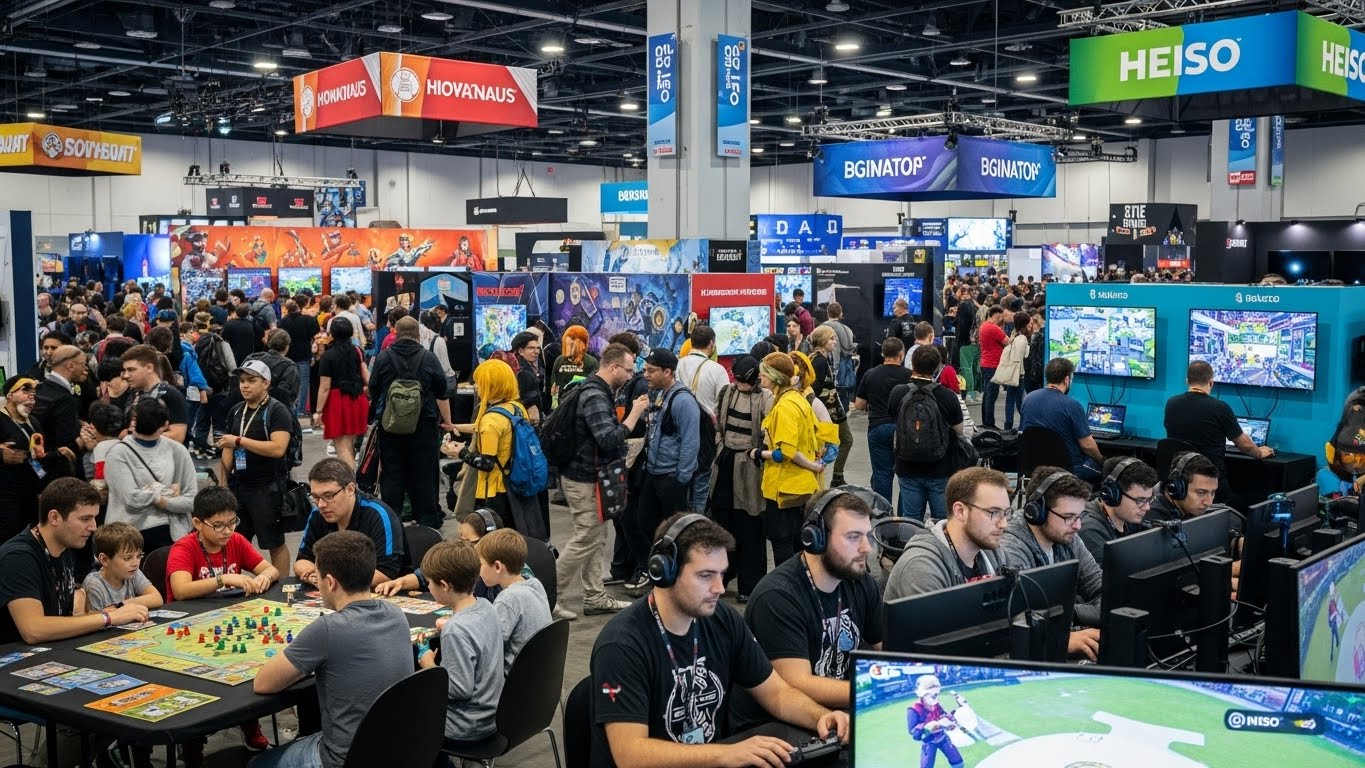
Esports tournaments fill stadiums, and streaming platforms have turned gaming into a performance art. Professional gamers, streamers, and content creators have become celebrities in their own right, influencing trends and inspiring future generations.
Gaming culture has also fostered inclusivity and creativity. Players from diverse backgrounds collaborate, compete, and share stories. Fan art, mods, and community-created content enrich the gaming experience, showing how interactive media can unite people under a shared passion.
The Educational Power of Games
Beyond entertainment, games have proven valuable as educational tools. Educational games engage students in ways that traditional methods cannot. They transform learning into an interactive experience, allowing players to experiment, make mistakes, and learn through doing.
Simulations are used in professional training—from flight simulators for pilots to medical simulations for doctors. These applications show how gaming technology enhances skill development and practical knowledge.
Even mainstream games encourage learning. Strategy games develop critical thinking, puzzle games sharpen logic, and creative sandbox games like Minecraft encourage design and collaboration. The line between play and education continues to blur, making learning more engaging and effective.
Conclusion: The Endless Journey of Games
From the dusty boards of ancient civilizations to the immersive virtual worlds of today, games have journeyed alongside humanity, reflecting our evolution, creativity, and imagination. They have transformed from simple pastimes into complex narratives, artistic masterpieces, and social experiences that connect millions.
Gaming has become a universal language—one that transcends barriers of age, culture, and geography. It unites people through shared adventure, challenge, and joy. As technology continues to progress, games will evolve in ways we can scarcely predict, but one truth will remain unchanged: the human spirit’s love for play.
The story of games is far from over. In fact, it is only just beginning. Every generation adds new chapters to this ever-growing legacy, proving that no matter how the world changes, the power of play will always endure.