gamechampion54
Introduction: Why Games Matter
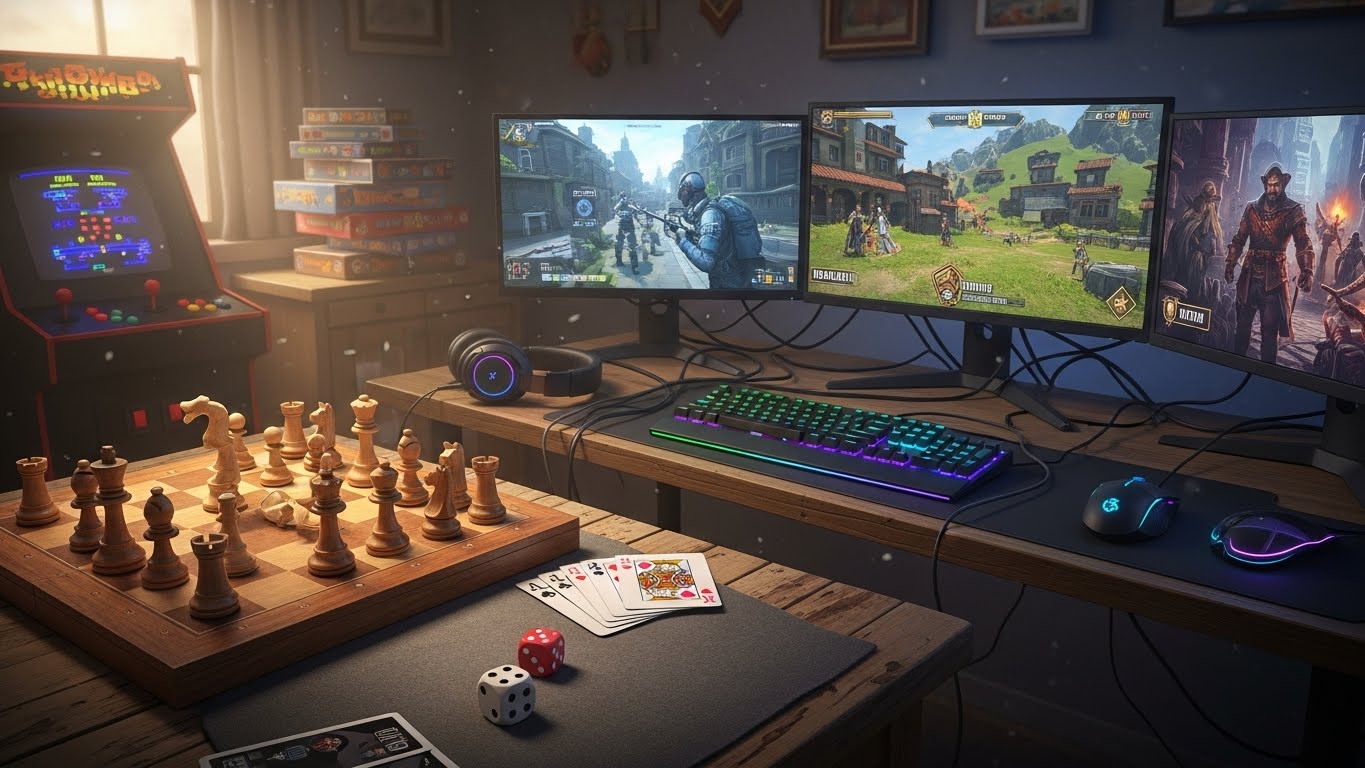
Games have always been a part of human culture. From ancient board games like chess and Go to the latest video games on high-powered consoles, games serve as a medium for entertainment, competition, learning, and social interaction. They are more than just a pastime; games reflect creativity, technology, and even psychology. Over time, games have evolved from simple forms of play to complex, immersive experiences that connect millions of people around the world.
In this article, we will explore the history of games, the variety of modern gaming experiences, the technology driving their evolution, and the social and cultural impact they have on society.
The Origins of Gaming
The history of games can be traced back thousands of years. Ancient civilizations created games as a way to teach strategy, socialize, or simply entertain. One of the oldest known board games is Senet, played in Egypt over 5,000 years ago. Similarly, the game of Go, originating in China over 4,000 years ago, was designed to teach strategy and patience. These early games laid the groundwork for understanding how humans interact with rules, competition, and reward systems.
During the medieval period, games like chess spread throughout Europe, bringing strategic thinking and mental challenge to the forefront of entertainment. While the games were initially played by royalty or the elite, over time they became accessible to wider society, reinforcing the idea that games are not only for amusement but also for skill-building.
The Rise of Modern Board and Card Games
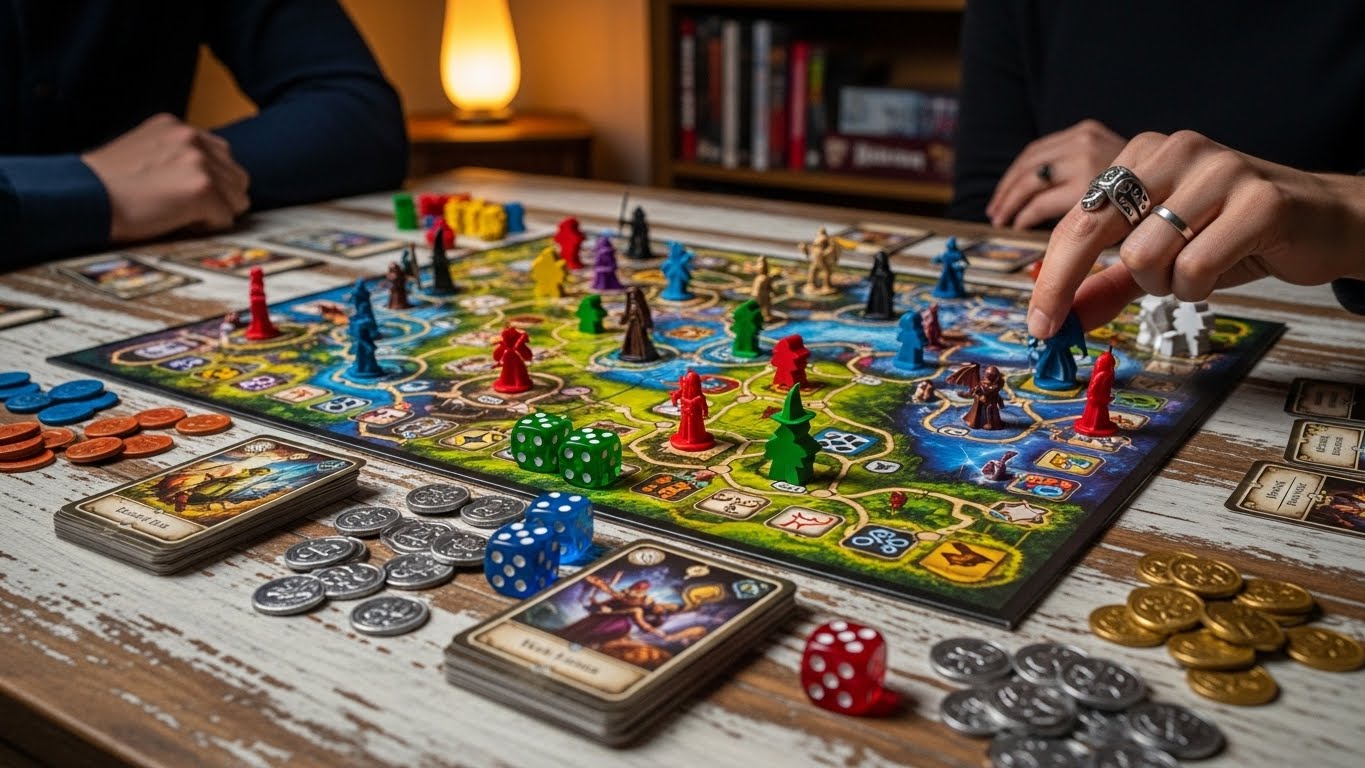
In the 19th and 20th centuries, the industrial revolution allowed for mass production of board and card games. Games like Monopoly, Scrabble, and Poker became household staples. They were designed not only for entertainment but also for fostering social connections. Board games encourage players to interact, negotiate, and think strategically, making them powerful tools for both socialization and mental development.
Card games also evolved during this period. Traditional games like bridge, solitaire, and rummy were widely popular and adapted to various cultures around the world. Today, card games have transitioned into both physical and digital formats, demonstrating the enduring appeal of these games through generations.
The Birth of Video Games
The gaming landscape underwent a dramatic transformation in the late 20th century with the birth of video games. The first commercially successful video game, Pong, was released in 1972 and became a global phenomenon. Its simple mechanics and competitive gameplay captivated players, signaling the start of a digital revolution.
Following Pong, arcade games like Pac-Man and Space Invaders introduced more complex gameplay, storytelling, and character development. These games defined the early arcade culture and inspired a generation of developers to innovate further. Soon, home gaming consoles like the Atari 2600 and the Nintendo Entertainment System brought video games into living rooms worldwide, making gaming more accessible to families and individuals alike.
The Expansion of Video Game Genres
As technology advanced, video games diversified into various genres, each offering unique experiences. Some of the most popular genres today include:
- Action/Adventure Games: These games combine exploration, puzzle-solving, and combat, often within expansive worlds. Titles like The Legend of Zelda and Uncharted have defined this genre by blending narrative and interactive gameplay.
- Role-Playing Games (RPGs): RPGs allow players to assume the roles of characters in fictional worlds, making decisions that affect the story and character development. Games like Final Fantasy and The Witcher series emphasize narrative depth and player agency.
- First-Person Shooters (FPS): FPS games like Call of Duty and Halo focus on combat from the player’s perspective, providing intense action and competitive multiplayer experiences.
- Sports and Racing Games: Simulating real-world sports and racing experiences, games like FIFA, Madden NFL, and Gran Turismo attract fans of physical sports into virtual arenas.
- Simulation Games: Games such as The Sims and SimCity allow players to replicate and control aspects of real-life activities, encouraging creativity and management skills.
- Puzzle and Casual Games: Simple yet engaging games like Tetris, Candy Crush, and Angry Birds appeal to a broad audience due to their accessibility and addictive gameplay loops.
Each genre appeals to different player preferences, showing how versatile and wide-ranging the gaming industry has become.
The Impact of Technology on Gaming
Technology has been the primary driver of the gaming industry’s growth. Early video games were limited by hardware capabilities, but rapid advancements in graphics, processing power, and storage have enabled increasingly complex and immersive experiences.
Graphics and Realism
Modern video games feature high-definition graphics and realistic animations, providing players with lifelike worlds and characters. Games like Red Dead Redemption 2 and Cyberpunk 2077 showcase intricate details in landscapes, lighting, and character design, blurring the line between reality and digital environments.
Online and Multiplayer Gaming
The advent of the internet transformed gaming into a social experience. Online multiplayer games allow players to connect, compete, and cooperate with others globally. Massive multiplayer online games, or MMOs, such as World of Warcraft and Final Fantasy XIV, create persistent virtual worlds where players interact with thousands of others in real time.
Mobile Gaming
Smartphones and tablets have made gaming accessible to millions more players. Mobile games like PUBG Mobile, Clash of Clans, and Genshin Impact offer complex gameplay and competitive experiences on devices that fit in your pocket. Mobile gaming has also introduced microtransactions and freemium models, shaping new economic models for game development.
Virtual Reality and Augmented Reality
Virtual reality (VR) and augmented reality (AR) are pushing gaming into new dimensions. VR games like Half-Life: Alyx immerse players in fully interactive 3D worlds, while AR games like Pokémon Go blend real-world environments with digital gameplay. These technologies enhance immersion and interactivity, opening up possibilities for entirely new gaming experiences.
Social and Cultural Impact of Games
Games are more than entertainment; they influence society and culture in profound ways.
Education and Skill Development
Games can be educational tools, teaching problem-solving, strategic thinking, and teamwork. Simulation games, strategy games, and puzzle-based games enhance cognitive skills while keeping players engaged. Educational games are increasingly integrated into classrooms, using gaming mechanics to make learning more interactive and enjoyable.
Community and Connection
Online games foster communities and social interaction. Gamers form friendships, collaborate in teams, and engage in shared experiences, creating a sense of belonging. Platforms for live streaming, like streaming services for gameplay, allow players to broadcast their experiences to millions of viewers, creating social engagement around gaming.
Esports and Competitive Gaming
Competitive gaming, or esports, has emerged as a global industry. Professional players compete in tournaments for large prize pools, and millions of fans watch events online or in stadiums. Esports has created career opportunities in streaming, coaching, content creation, and professional competition, further legitimizing gaming as a serious pursuit.
Challenges in the Gaming World
Despite the growth and appeal of gaming, the industry faces challenges.
Addiction and Mental Health
Excessive gaming can lead to addiction and affect mental health, causing issues like sleep disruption, social withdrawal, and stress. Developers and communities are working to raise awareness about responsible gaming practices and provide resources for those affected.
Inclusivity and Representation
Diversity and representation in games are critical issues. Historically, many games have underrepresented women, minorities, and people with disabilities. Modern developers are increasingly focusing on inclusive design, ensuring that games reflect the diversity of players and promote positive representation.
Regulation and Monetization
Monetization models, especially in mobile and free-to-play games, raise ethical questions about in-game purchases and microtransactions. Regulatory bodies and industry organizations are working to ensure fair practices and protect vulnerable players, especially minors.
The Future of Gaming
The future of gaming is filled with exciting possibilities. Artificial intelligence will enhance gameplay, creating smarter NPCs and adaptive game worlds. Cloud gaming will make high-end experiences accessible without expensive hardware, and cross-platform gaming will further unite player communities.
Advancements in VR and AR will redefine immersion, and games will continue to influence education, culture, and social interaction. With technological innovation and creative storytelling at the forefront, gaming will remain an integral part of entertainment for generations to come.
Conclusion: Games as a Reflection of Human Creativity
From ancient board games to immersive digital universes, games have always reflected human creativity, strategy, and social connection. They entertain, educate, and challenge us, offering experiences that are as diverse as the players themselves. The gaming industry continues to innovate, blending technology, storytelling, and social engagement into unique forms of entertainment.
Games are no longer just a pastime—they are a cultural force that shapes how we learn, connect, and explore new worlds. As technology evolves and gaming experiences continue to expand, the future promises even more immersive, interactive, and meaningful ways to play.