gamechampion54
Introduction: The Ever-Growing Universe of Games
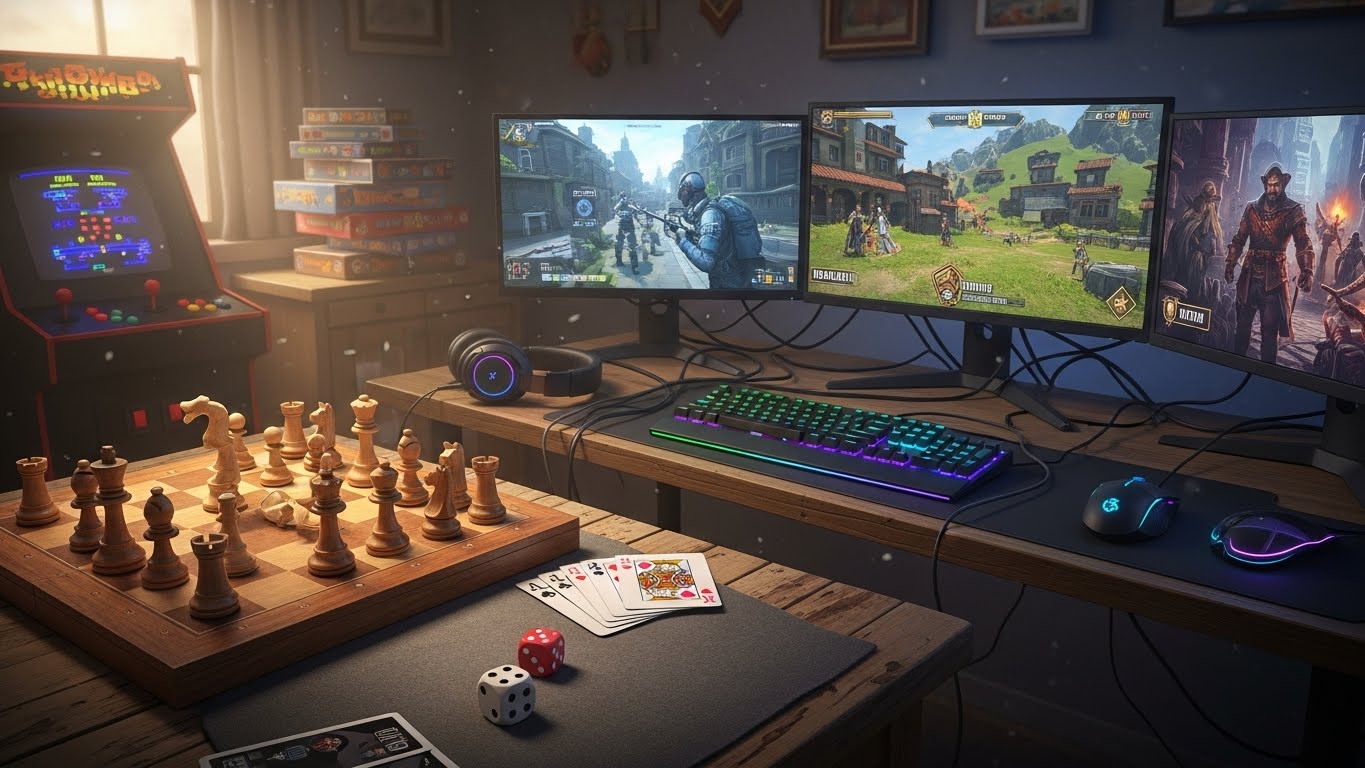
Games have come a long way from their humble beginnings as simple pastimes. They are no longer just a way to kill time; today, they are rich, multifaceted experiences that immerse players in worlds of wonder, strategy, and competition. Whether through a joystick, touch screen, or VR headset, games have become a fundamental part of our entertainment culture. In this blog, we’ll explore the fascinating evolution of games, how they’ve impacted our daily lives, and what makes them so captivating.
The Beginnings: Simple Fun with Endless Possibilities
The earliest games were simple, with basic rules and minimal technology. In the late 20th century, games like Tetris and Pac-Man changed the way people interacted with entertainment. The appeal was clear: they were easy to learn, hard to master, and offered an engaging experience. This laid the groundwork for the future of gaming, where simplicity met endless possibilities.
During this period, the focus was on gameplay mechanics rather than narrative depth. The aim was often just to get the highest score or reach the next level, which brought about an element of competition, both with oneself and others. These games defined the early age of gaming, with arcade machines and consoles becoming central to youth culture across the world.
The Rise of Storytelling: Games as Narrative Mediums
As technology advanced, so did the scope and depth of games. The 1990s and 2000s brought about a major shift in gaming. Game developers began to realize that players weren’t just interested in gameplay mechanics; they wanted stories, characters, and emotional experiences. Games like Final Fantasy VII and The Legend of Zelda: Ocarina of Time set the bar for what narrative-driven games could achieve. These titles showed that video games could be powerful storytelling tools, blending rich narratives with interactive gameplay.
The introduction of more complex storylines, plot twists, and character development marked the beginning of a new era. Games were no longer seen solely as a form of entertainment; they became a medium through which stories could be experienced and lived. As a result, many of these games are still beloved today, remembered not only for their gameplay but for the emotional connections they forged with players.
Expanding the Boundaries: Online Gaming and Multiplayer Worlds
The shift toward online connectivity in the 2000s was a game-changer in every sense. With the ability to connect with friends and strangers across the globe, games transformed into collaborative and competitive social spaces. World of Warcraft, Halo 2, and Call of Duty ushered in the era of online multiplayer gaming. Players could now team up or face off against each other, forming communities, creating friendships, and competing for dominance in shared digital spaces.
Online gaming opened new opportunities for social interaction, allowing people to connect, chat, and strategize in real-time. This cultural shift gave rise to esports, where top players compete in tournaments for huge cash prizes, drawing millions of viewers. As gaming expanded from solo experiences to communal ones, it reflected the growing trend of global connectivity, and today, online games are some of the most popular titles worldwide.
Mobile Gaming: The Revolution in Your Pocket
With the advent of smartphones, games became more accessible than ever before. Mobile gaming brought the world of gaming into the pockets of millions of people, allowing them to play anywhere, anytime. Whether it was a quick session of Candy Crush Saga or an engaging round of Clash Royale, mobile games became a new category that appealed to all types of players.
These games proved to be easy to pick up and hard to put down, offering simple mechanics that kept players coming back for more. But mobile gaming’s impact wasn’t just in its accessibility—it was also in how it reached new demographics. Casual gamers, who may not have been interested in console or PC gaming, found a platform in mobile games that was convenient, fun, and social.
Virtual and Augmented Reality: Gaming Beyond the Screen
As technology evolved, so did the ways in which we experience games. Virtual Reality (VR) and Augmented Reality (AR) represent the next step in interactive gaming, offering players the ability to step directly into the worlds they play in. VR headsets like the Oculus Rift and HTC Vive have allowed players to immerse themselves in 360-degree environments, where every movement and decision feels tangible.
VR gaming is still in its early stages, but it has already shown great potential, with games like Beat Saber and Half-Life: Alyx offering experiences that are truly transformative. AR, popularized by games like Pokémon Go, blends the real world with the virtual, encouraging players to interact with their surroundings while hunting for virtual creatures or completing tasks.
These technologies represent the future of gaming—an interactive experience that goes beyond sitting in front of a screen. Players are no longer just spectators; they are participants in a new form of storytelling, where their actions shape the world around them.
Games as a Cultural Phenomenon: Connecting Communities
Games have evolved into more than just entertainment; they are central to modern culture. Esports tournaments fill arenas and draw millions of online viewers, while social platforms like Twitch and YouTube provide a space for gamers to share their experiences, connect with their audiences, and build their own communities.
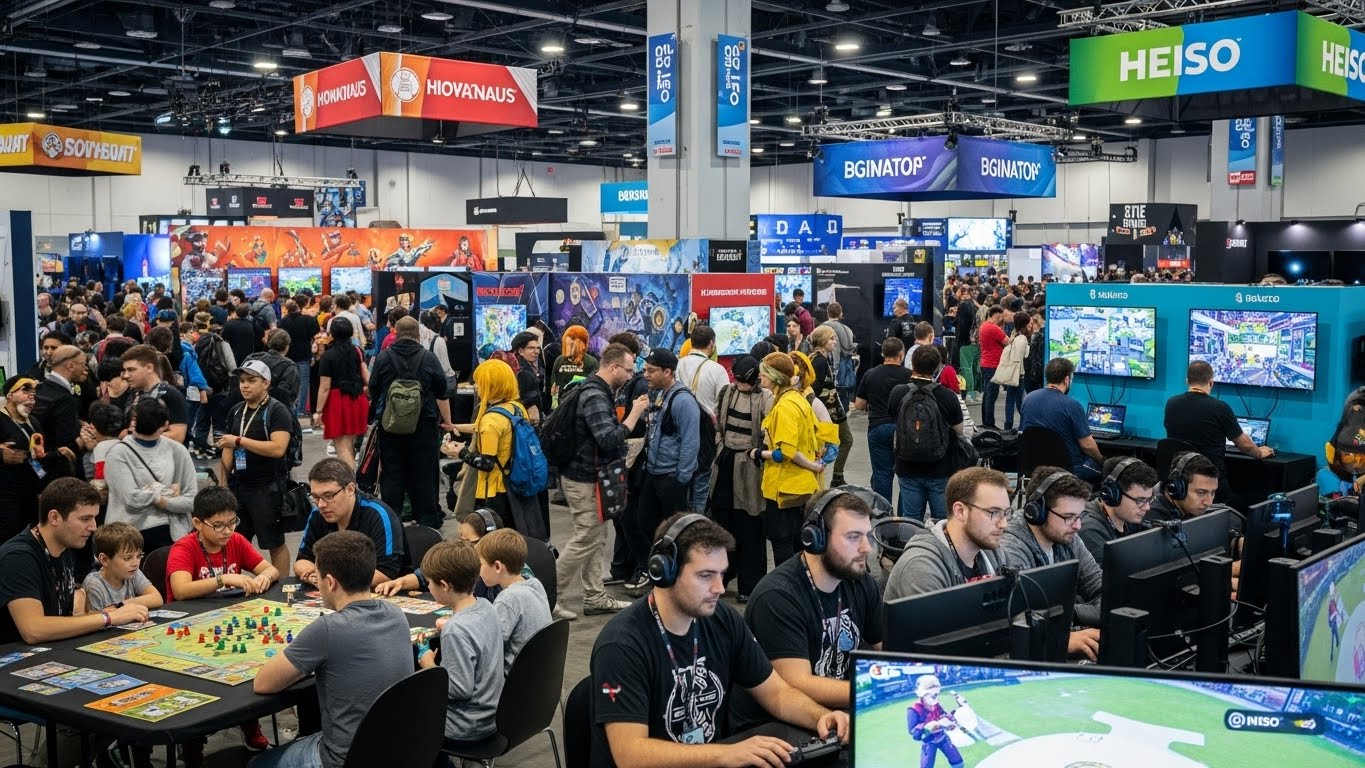
Gaming conventions, such as PAX and E3, are now major events that draw people from all over the world to celebrate their shared passion for games. These conventions have helped gaming transcend from a niche hobby to a mainstream cultural force, attracting people from all walks of life.
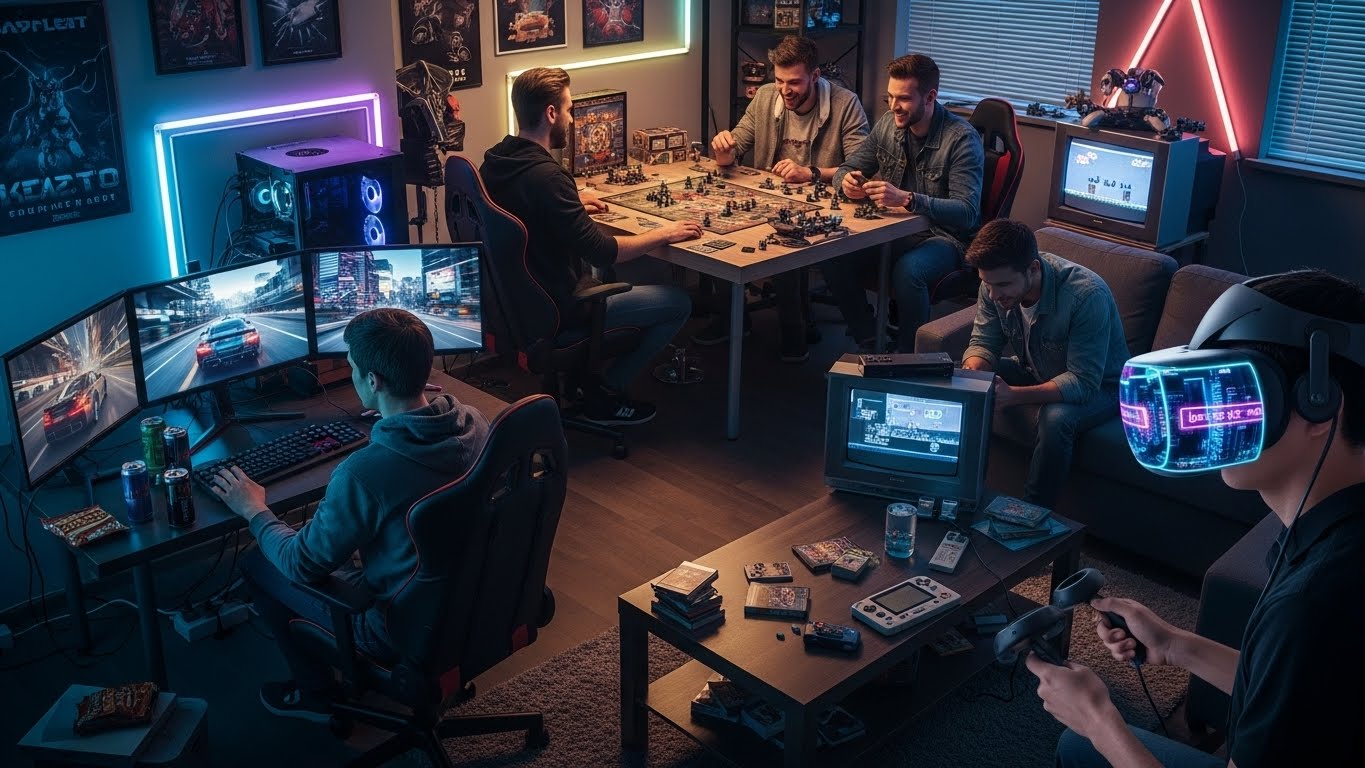
Moreover, gaming has become a platform for social interaction. Through multiplayer games, players can create friendships, join guilds, and even organize virtual meetups. This sense of community has created a new form of socialization, where people bond over shared interests, overcoming geographical boundaries.
The Future of Games: The Endless Horizon
Looking ahead, the future of games seems boundless. With advancements in artificial intelligence, cloud gaming, and immersive technologies, the gaming world will continue to evolve. The integration of AI could lead to more responsive game worlds that adapt to players’ actions, making each experience feel unique. Cloud gaming has the potential to make high-end games accessible to anyone with an internet connection, removing the need for expensive hardware and allowing for seamless gaming experiences across multiple devices.
Additionally, the increasing focus on storytelling, diversity, and inclusivity in games will likely lead to a broader range of narratives and experiences. Games are increasingly being recognized for their ability to explore complex themes and social issues, offering new perspectives and sparking meaningful conversations.
Conclusion: Gaming’s Unstoppable Growth
The magic of games lies in their ability to transform from simple entertainment into a powerful cultural force. From their modest beginnings to the technological marvels of today, games have captivated millions of people worldwide. They allow us to escape into other worlds, challenge our skills, and connect with others in meaningful ways.
As technology continues to advance, the possibilities for games will only expand. Whether through VR, AI, or new storytelling techniques, the future of gaming is an exciting one. What started as a hobby has become a cultural cornerstone, and as long as creativity continues to drive innovation, games will remain an essential part of our lives for years to come.