gamechampion54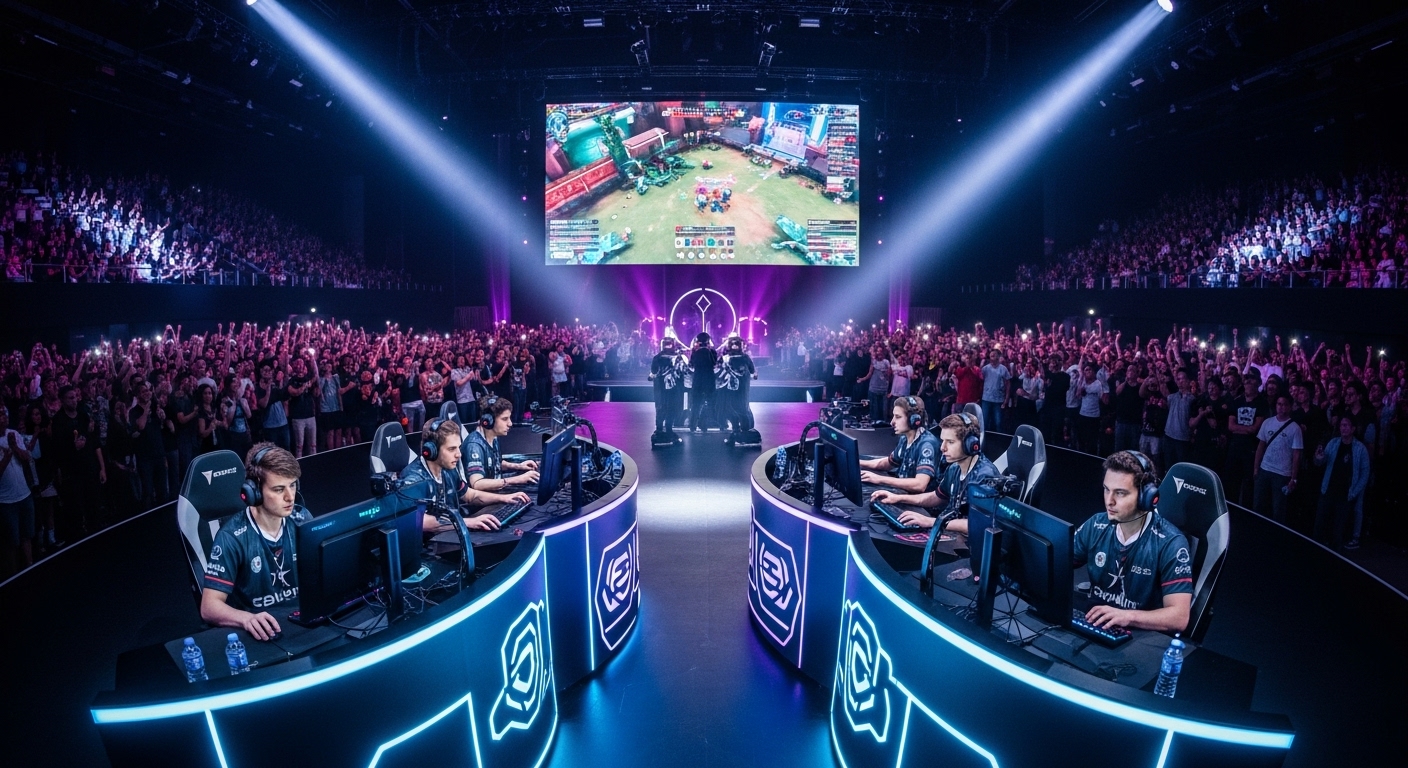
Over the past decade, esports has transformed from a niche hobby into a global phenomenon, reshaping the landscape of the entertainment industry. What was once considered a casual pastime is now a multi-billion-dollar enterprise with millions of fans worldwide, professional players, and major sponsorship deals. But what exactly has driven this explosive growth, and how is competitive gaming changing the way we consume entertainment?
The Evolution of Esports
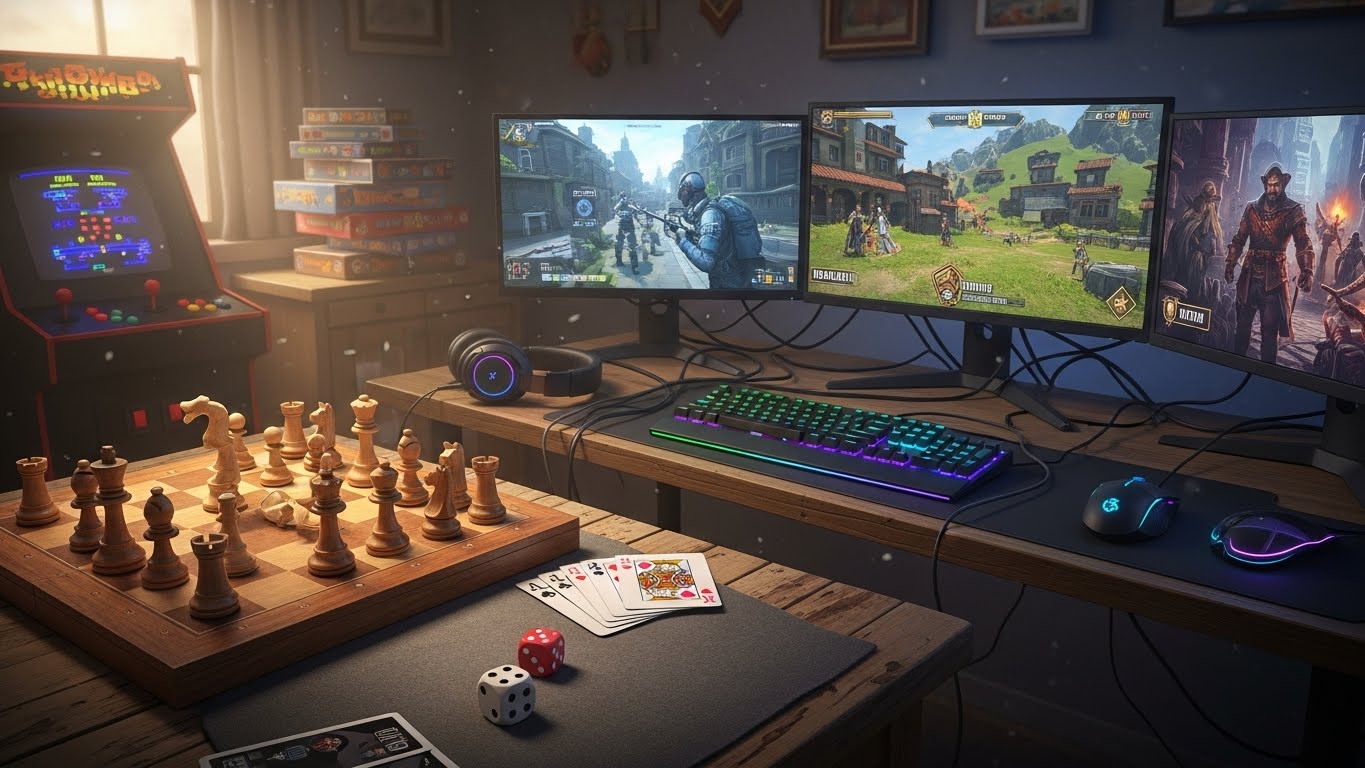
Esports, or electronic sports, refers to competitive video gaming where players or teams compete in various game titles, often in organized tournaments. Early esports events in the late 1990s and early 2000s were relatively small and informal, but with the rise of faster internet connections and streaming platforms like Twitch and YouTube Gaming, esports gained unprecedented accessibility and visibility.
Games such as League of Legends, Dota 2, Counter-Strike: Global Offensive, and Fortnite have attracted massive player bases and viewerships. The development of these titles as spectator-friendly games with strategic depth and exciting gameplay has been critical to esports’ popularity.
Massive Audience and Global Reach
One of esports’ greatest achievements is building a massive global audience. Unlike traditional sports, which can be geographically limited, esports tournaments are streamed online to viewers worldwide, making them accessible 24/7. Millions tune in for live events, cheering on their favorite teams and players just as they would in a traditional sports stadium.
This global reach has helped esports foster an incredibly diverse community. Players and fans come from different countries, backgrounds, and age groups, united by their passion for gaming. The ability to connect with people globally has created a new form of entertainment that transcends borders.
Professionalization and Career Opportunities
Competitive gaming has also grown more professional. Players train for hours each day, have coaches, analysts, and nutritionists, similar to traditional athletes. Organizations invest heavily in esports teams, infrastructure, and marketing.
Moreover, esports offers career opportunities beyond playing professionally. There are roles in event production, broadcasting, game development, content creation, and more. The industry’s growth has created new jobs and fostered entrepreneurial ventures, contributing significantly to the economy.
Changing the Entertainment Industry
Esports is influencing the broader entertainment world in several ways:
- New Content Formats: Esports has popularized live streaming and interactive content, encouraging traditional media to adopt these formats.
- Cross-Industry Collaborations: Brands from fashion, automotive, and tech sectors are sponsoring esports events and athletes, blending gaming culture with mainstream marketing.
- Youth Engagement: Esports captures the attention of younger generations who consume entertainment differently, pushing traditional media to innovate.
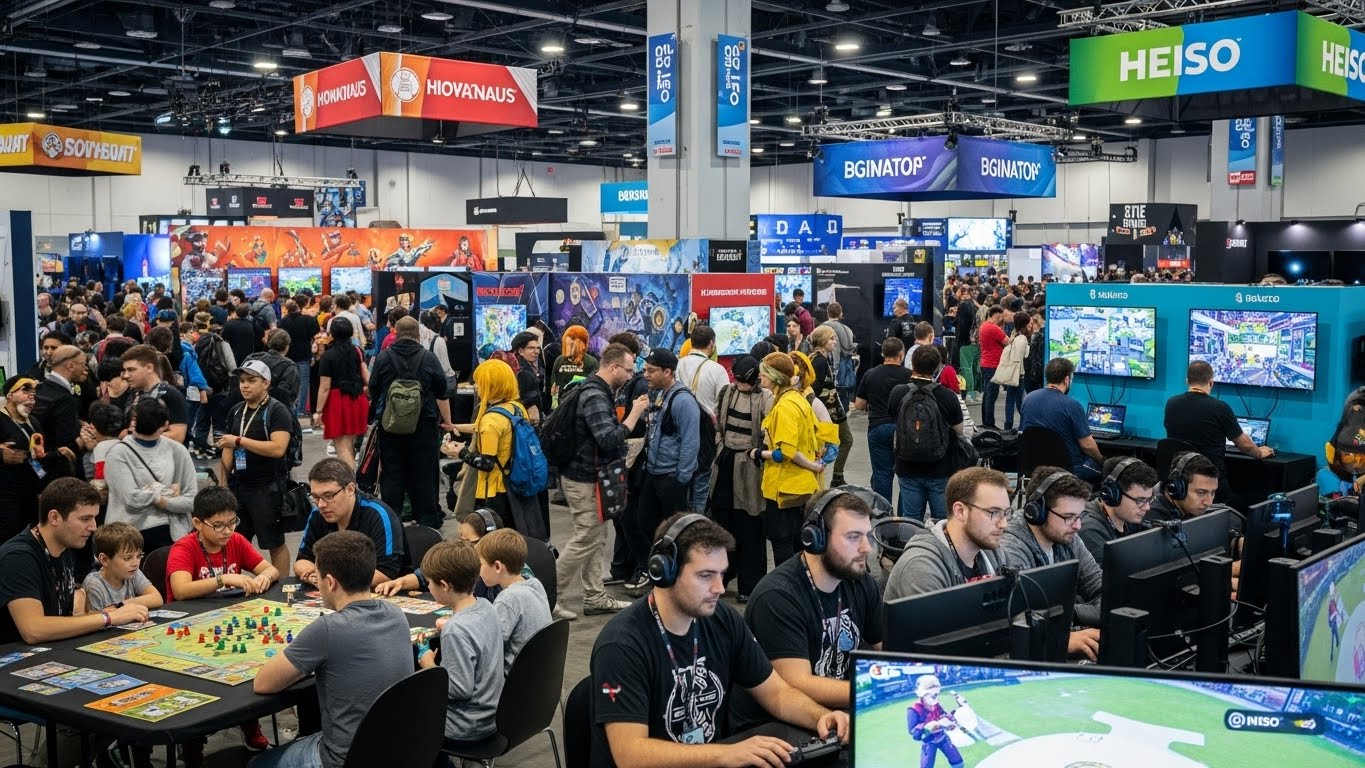
- Events and Experiences: Large esports tournaments fill arenas and stadiums, creating immersive fan experiences similar to concerts and sports events.
Challenges and Future Outlook
Despite its rapid growth, esports faces challenges, such as concerns about player burnout, the need for better regulation, and ensuring inclusivity within the community. However, industry stakeholders are actively working to address these issues through improved policies and support systems.
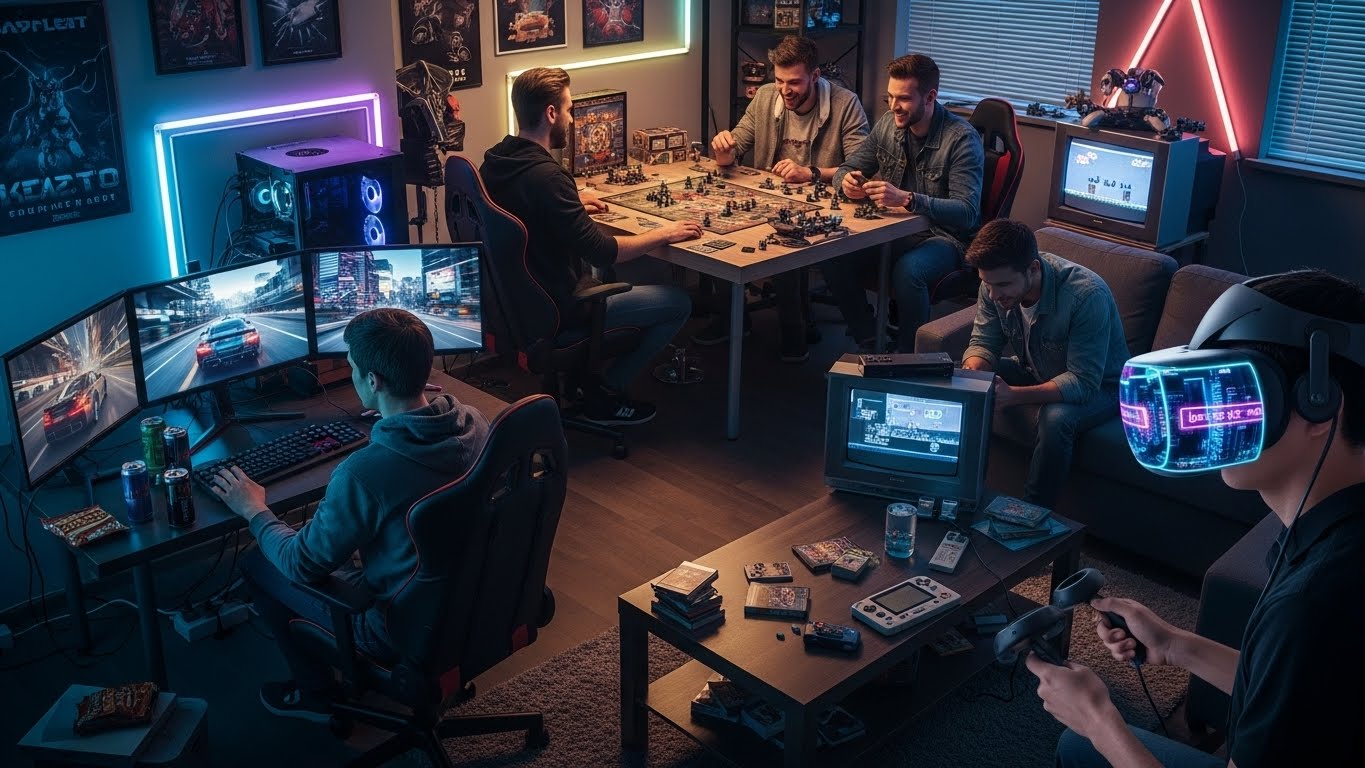
Looking ahead, esports is poised to continue its upward trajectory. Advances in technology, like virtual reality and augmented reality, promise to make competitive gaming even more immersive. As the line between gaming, entertainment, and social interaction blurs, esports will likely become a staple in the broader entertainment ecosystem.
Conclusion
The rise of esports marks a significant shift in how entertainment is produced, consumed, and experienced. By harnessing the power of digital platforms and fostering a passionate global community, competitive gaming has established itself as a formidable force in the entertainment industry. Whether you’re a gamer, a fan, or simply curious about new forms of media, esports offers an exciting glimpse into the future of entertainment.