gamechampion54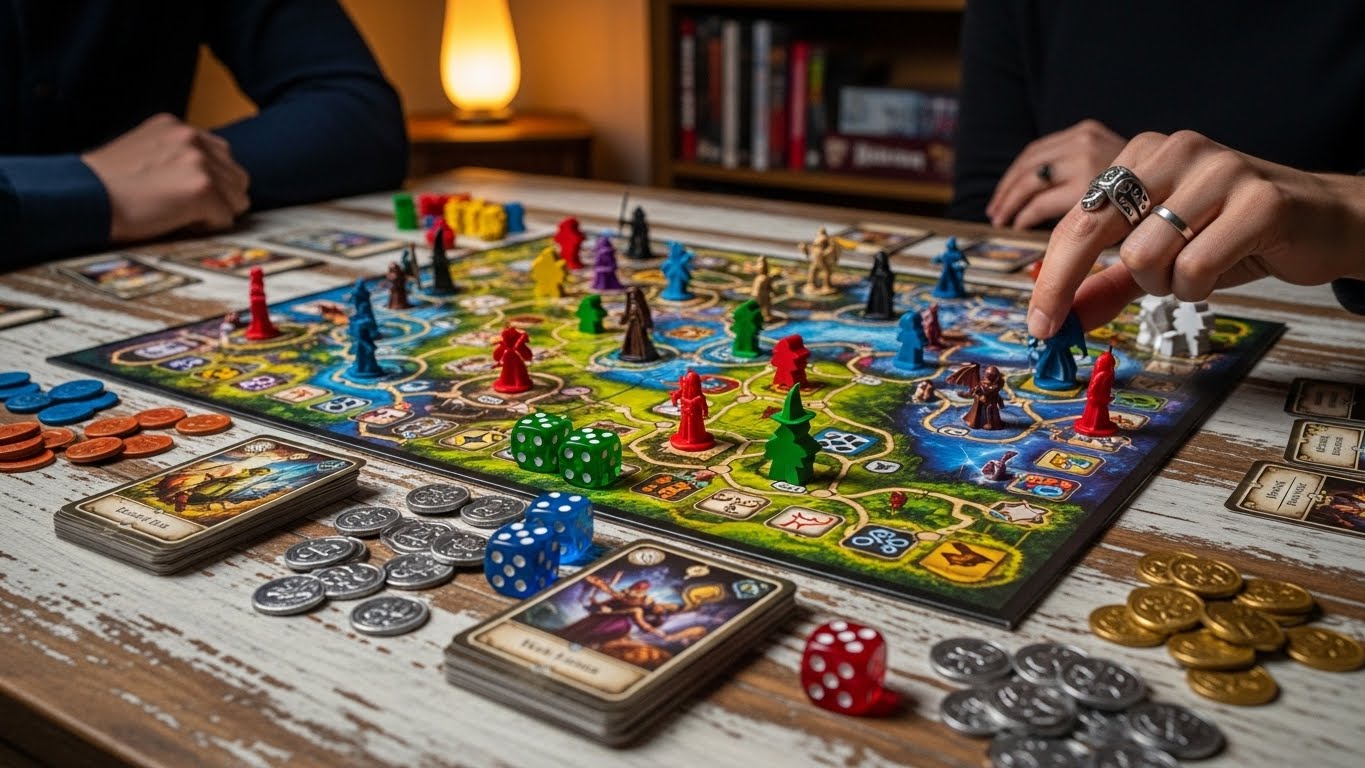
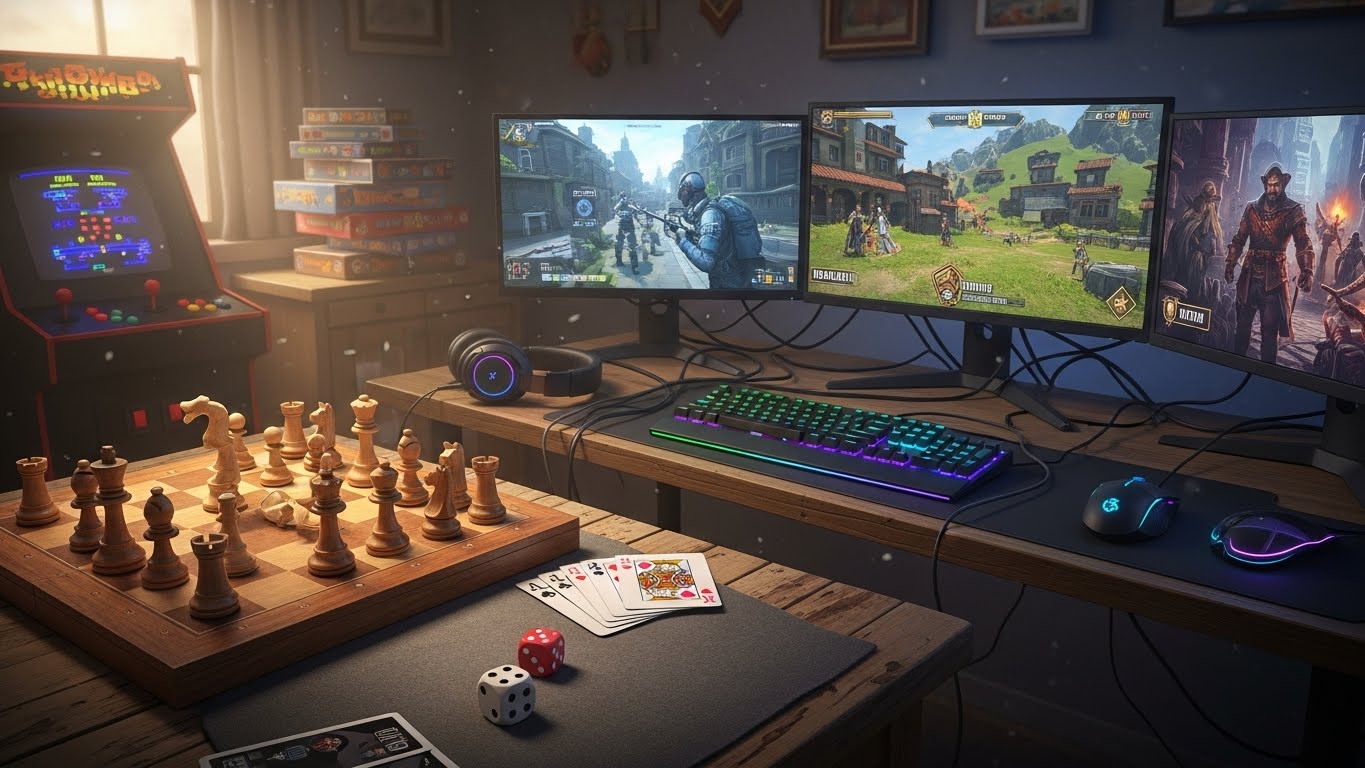
Games have been an integral part of human culture for centuries. They entertain, challenge, and bring people together in ways that few other activities can. From ancient board games to modern video games, the evolution of games mirrors technological advancement, societal shifts, and creative imagination. In this article, we explore the fascinating world of games, highlighting their history, types, and unique impact on our lives.
The Historical Roots of Games
Games are as old as civilization itself. Archaeological evidence suggests that humans have been playing games for thousands of years. One of the earliest known board games, Senet, was played in ancient Egypt over five thousand years ago. This game, carved into stone and buried with pharaohs, reflected not just recreation but a spiritual journey into the afterlife. Similarly, ancient Mesopotamians played the Royal Game of Ur, a strategy game that required careful planning and luck.
These early games were more than simple pastimes. They were tools for social interaction, mental stimulation, and even moral teaching. Many ancient games had symbolic meanings, helping players understand life, death, and fate. Over time, these traditional games evolved into complex systems of rules and strategies, laying the groundwork for the sophisticated games we enjoy today.
The Diversity of Board Games
Board games remain a staple of recreational life, even in the digital era. They vary widely in style, from strategic games like chess and Go to fun, fast-paced party games like Monopoly or Pictionary. The appeal of board games lies in their tactile nature. Rolling dice, moving pieces, and strategizing on a physical board provides a sensory satisfaction that digital games cannot fully replicate.
Strategy games, in particular, have a unique allure. Chess, for instance, is not just a game but a mental battlefield. Each move requires foresight, critical thinking, and creativity. Similarly, Go, an ancient Asian board game, offers seemingly simple rules but an almost infinite depth of strategy. These games teach patience, analytical skills, and adaptability, making them both entertaining and intellectually stimulating.
Card Games and Their Enduring Charm
Card games are another versatile category, offering a blend of luck, strategy, and social interaction. Classic games like Poker, Bridge, and Solitaire have transcended generations, while modern card games introduce unique mechanics and imaginative themes. Card games appeal because they are portable, flexible, and often unpredictable, requiring players to read opponents and adapt to constantly changing circumstances.
The beauty of card games lies in their ability to connect people. A casual game of cards can bring friends and families together, fostering social bonds and laughter. Some card games, such as collectible card games, even encourage creativity, as players build personalized decks and explore countless combinations.
Video Games: The Digital Revolution
The advent of video games marked a transformative era in gaming history. Unlike traditional games, video games offer immersive digital worlds, interactive storytelling, and endless possibilities. From the pixelated landscapes of early arcade games to the hyper-realistic graphics of modern consoles, video games have captivated millions of players worldwide.
Video games come in countless genres, each catering to different tastes. Action games test reflexes and coordination, while role-playing games immerse players in expansive narratives and character development. Simulation games offer life-like experiences, allowing players to manage cities, run farms, or even fly airplanes. Adventure and puzzle games challenge critical thinking, creativity, and problem-solving skills.
One of the most significant innovations in video gaming is online multiplayer experiences. Games now connect players globally, creating communities and competitive ecosystems. Esports, or competitive gaming, has even emerged as a professional sport, with tournaments offering substantial prizes and international recognition.
The Psychology of Gaming
Games are not just entertainment; they engage the mind in profound ways. Psychologists have studied the impact of games on cognitive development, social skills, and mental health. Strategy games enhance problem-solving and decision-making abilities, while fast-paced games improve reflexes and hand-eye coordination. Even casual games can reduce stress, providing a temporary escape from daily pressures.
Social games, in particular, promote collaboration and communication. Multiplayer games encourage teamwork, negotiation, and leadership, while cooperative board games foster trust and shared problem-solving. Additionally, the narrative and role-playing aspects of games can help players explore empathy and perspective-taking, as they step into the shoes of different characters and make choices with meaningful consequences.
Games as Educational Tools
Beyond recreation, games have significant educational value. Gamification, the integration of game mechanics into learning, has transformed classrooms and training programs. Educational games teach math, language, science, and history in interactive and engaging ways. Instead of passive memorization, students actively participate, solve problems, and receive immediate feedback.
Serious games, designed for professional or training purposes, are used in fields such as medicine, aviation, and military strategy. These games simulate real-life scenarios, allowing players to practice skills safely and efficiently. For example, flight simulators train pilots to handle emergencies without risk, while medical games teach surgical techniques and patient care.
The Cultural Impact of Games
Games are a reflection of culture, history, and social values. Traditional games often carry deep cultural significance, embodying local customs, mythology, and social norms. Modern video games frequently explore diverse cultures, storytelling, and global themes, making them powerful mediums for cultural exchange.
Gaming culture has also developed its own identity. Communities form around shared interests, with conventions, online forums, and fan art celebrating favorite games. Memorable characters, immersive worlds, and iconic soundtracks create lasting emotional connections for players. The rise of game streaming and content creation has further amplified gaming’s cultural influence, turning players into creators and storytellers.
The Future of Gaming
The future of games promises even greater innovation and immersion. Virtual reality (VR) and augmented reality (AR) are redefining how we experience games, placing players directly inside interactive worlds. Artificial intelligence is enhancing gameplay by creating adaptive opponents, personalized experiences, and dynamic storytelling.
Games are also expected to become more inclusive, catering to diverse audiences with different abilities, preferences, and cultural backgrounds. Accessibility features, multilingual options, and customizable gameplay ensure that everyone can enjoy the gaming experience. Additionally, the blending of gaming with other technologies, such as wearable devices and cloud computing, will expand the boundaries of play.
Games as a Social Connector
One of the most powerful aspects of games is their ability to bring people together. Whether in-person or online, games foster connection, communication, and collaboration. Families gather for board games on weekends, friends engage in multiplayer video games, and global communities compete in esports tournaments. In an increasingly digital world, games provide a shared space for interaction, creativity, and camaraderie.
The social dimension of gaming also extends to mental well-being. Playing games with others can combat loneliness, encourage teamwork, and build lasting friendships. For many, games serve as a bridge between generations, connecting grandparents with grandchildren, casual players with experts, and local communities with the global gaming population.
Conclusion: The Enduring Allure of Games
Games are far more than mere entertainment. They are a reflection of human ingenuity, creativity, and social connection. From ancient board games carved in stone to modern virtual worlds, games continue to evolve while retaining their fundamental purpose: to challenge, engage, and bring joy. Whether through strategic thinking, storytelling, or cooperative play, games have a unique power to enrich our lives, educate our minds, and connect us across time and space.
As technology advances and cultural landscapes shift, the world of games will continue to expand, offering new experiences and possibilities. For players, creators, and enthusiasts alike, games represent an endless frontier of imagination, challenge, and connection. In a world filled with distractions and pressures, games remain a timeless source of fun, learning, and shared human experience.