gamechampion54
Games have been an essential part of human culture for centuries, offering not just entertainment but also a way to challenge the mind, bond with others, and explore new worlds. Over time, the medium of games has evolved from simple physical activities and board games to immersive digital experiences that captivate millions. In this blog post, we will dive into the fascinating history, development, and future of games, exploring the ways in which they have shaped society and continue to evolve in the digital age. Whether it’s video games, tabletop games, or mobile games, this post will cover the diverse and exciting world of gaming.
The Origins of Games: A Historical Perspective
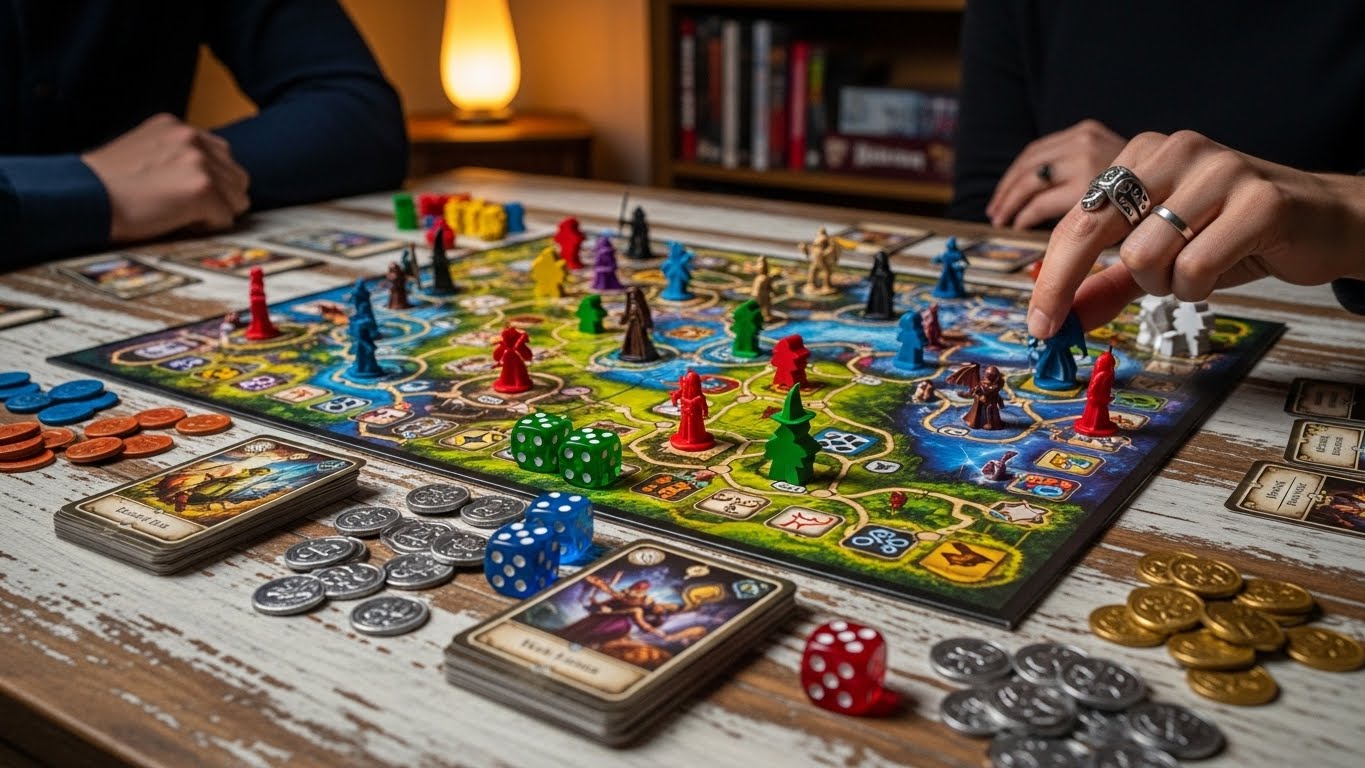
Games have been around for thousands of years, serving as a form of entertainment, education, and even spiritual practice. The earliest known games date back to ancient civilizations, where people used stones, dice, and other simple tools to play games of chance or strategy.
One of the oldest recorded games is Senet, an ancient Egyptian board game that dates back to around 3100 BC. Senet was played on a rectangular grid and involved a mix of strategy and luck. The game had spiritual significance, symbolizing the journey of the soul in the afterlife. Other ancient cultures also had their own variations of board games, such as Go in China and Backgammon in Mesopotamia.
While early games were often played for socialization or as a form of leisure, they also served educational purposes. Games like chess, which originated in India around the 6th century AD, were designed to train military strategy and foster critical thinking. This tradition of using games to teach complex ideas would continue for centuries.
The Rise of Video Games: A New Era of Entertainment
The modern era of gaming began with the rise of video games in the 20th century. The early 1970s saw the introduction of arcade machines, with games like Pong (1972) by Atari being one of the first commercially successful video games. Pong was simple—just two paddles and a ball—but its impact was immense, marking the beginning of the video game industry.
As technology advanced, so did the complexity of games. In the late 1970s and early 1980s, classic arcade games like Space Invaders, Pac-Man, and Donkey Kong took the world by storm, attracting people of all ages into arcades. These early video games relied on pixelated graphics and straightforward gameplay mechanics, but they were groundbreaking in their ability to immerse players in a digital world.
The 1980s also saw the rise of home consoles, with systems like the Nintendo Entertainment System (NES) and Sega Genesis bringing video games into the living room. This era marked the start of home gaming as a mainstream activity. Players could now enjoy their favorite games at home, with iconic titles like Super Mario Bros., The Legend of Zelda, and Sonic the Hedgehog becoming household names.
The Golden Age of Gaming: The 1990s and Early 2000s
The 1990s were a transformative decade for gaming, as both the hardware and software saw major advancements. Consoles like the Sony PlayStation and Nintendo 64 introduced 3D graphics, enabling games to feature more complex environments, characters, and animations. Titles like Super Mario 64, Final Fantasy VII, and The Legend of Zelda: Ocarina of Time set new standards for storytelling, design, and gameplay.
At the same time, personal computers were becoming more powerful, leading to the growth of PC gaming. Games like Warcraft, Diablo, and Half-Life introduced players to more complex gameplay mechanics, multiplayer experiences, and expansive virtual worlds. This was also the era when the first-person shooter genre truly took off, with games like Doom and Quake introducing fast-paced action and multiplayer deathmatches that are now staples of modern gaming.
The late 1990s and early 2000s also marked the beginning of online gaming. With the advent of high-speed internet connections, games like EverQuest, World of Warcraft, and Counter-Strike allowed players to connect with others around the world in virtual environments. These multiplayer experiences laid the foundation for the massive online communities we see today.
The Mobile Gaming Revolution
In the 2000s, mobile gaming exploded, making gaming more accessible than ever. The release of the Apple iPhone in 2007 changed the landscape of mobile entertainment. Smartphones allowed players to download and play games on the go, and this convenience led to an explosion of casual gaming.
Titles like Angry Birds, Candy Crush Saga, and Pokémon Go became global phenomena, attracting players who might not have previously considered themselves “gamers.” These games offered simple mechanics, addictive gameplay, and easy-to-pick-up experiences that made them accessible to a wide range of audiences. Mobile games became a multi-billion-dollar industry, and many people now spend as much time playing games on their phones as they do on traditional gaming consoles.
The growth of mobile gaming has also opened up new opportunities for indie developers. With platforms like the App Store and Google Play, smaller developers can create and distribute games without the need for a large publisher or studio. This has resulted in a surge of creativity and innovation in the gaming world, with titles like Monument Valley, Flappy Bird, and Clash of Clans gaining massive popularity and demonstrating that you don’t need a big budget to create a successful game.
The Age of Streaming and Esports
In recent years, video games have evolved beyond just being a form of entertainment to become a competitive sport and a form of live entertainment. The rise of esports, or competitive gaming, has led to the creation of professional leagues, tournaments, and sponsorships. Games like League of Legends, Dota 2, and Fortnite have large player bases, and their tournaments offer millions of dollars in prize money.
The advent of game streaming has also played a significant role in the growth of gaming culture. Platforms like Twitch and YouTube Gaming have turned gaming into a spectator sport, where viewers can watch skilled players compete in real-time or follow their favorite streamers as they play through new games, offer tutorials, or simply entertain. Game streaming has created a new kind of celebrity, with streamers like Ninja, PewDiePie, and Shroud gaining massive followings and monetizing their content through sponsorships, ads, and donations.
Esports tournaments have become a global spectacle, drawing in millions of viewers both online and in person. Major events like the League of Legends World Championship and The International for Dota 2 feature prize pools that rival traditional sports competitions, and esports athletes are treated with the same level of fame and respect as professional athletes in other domains.
The Future of Games: Virtual Reality, AI, and Beyond
The future of gaming is more exciting than ever. With technological advancements in fields like virtual reality (VR) and augmented reality (AR), the lines between the digital world and the real world are beginning to blur. VR gaming, in particular, offers an immersive experience that allows players to enter completely virtual worlds and interact with their surroundings in a way that was previously unimaginable.
Games like Beat Saber and Half-Life: Alyx are leading the charge in VR gaming, offering players the chance to physically engage with their environment. As VR hardware becomes more affordable and accessible, it’s likely that more developers will embrace this technology, creating even more immersive and interactive experiences.
Artificial intelligence (AI) is another area where gaming is poised for significant innovation. AI is already being used to create smarter non-playable characters (NPCs) and improve the complexity of game worlds. However, in the future, we could see AI-driven games that adapt to a player’s actions, offering a truly personalized experience.
Cloud gaming, powered by services like Google Stadia, Nvidia GeForce Now, and Xbox Cloud Gaming, is also poised to reshape the industry. Cloud gaming allows players to stream games without needing powerful hardware, which means that more people will be able to access high-quality gaming experiences on a wide variety of devices, from smartphones to low-end laptops.
Conclusion: Games as a Cultural Force
From ancient board games to modern-day virtual worlds, games have always been a reflection of human creativity, culture, and technology. What started as a simple form of entertainment has grown into an industry that impacts millions of people worldwide. Whether it’s the thrill of competition in esports, the nostalgia of retro gaming, or the immersive experience of VR, games offer something for everyone.
As technology continues to advance, the possibilities for gaming are virtually limitless. Whether you’re a casual mobile gamer or a hardcore esports competitor, the world of games is more vibrant and diverse than ever before. The future of gaming looks bright, with new innovations constantly reshaping how we play, connect, and experience digital worlds. In the years to come, we can expect even more exciting developments that will continue to push the boundaries of what gaming can be.