gamechampion54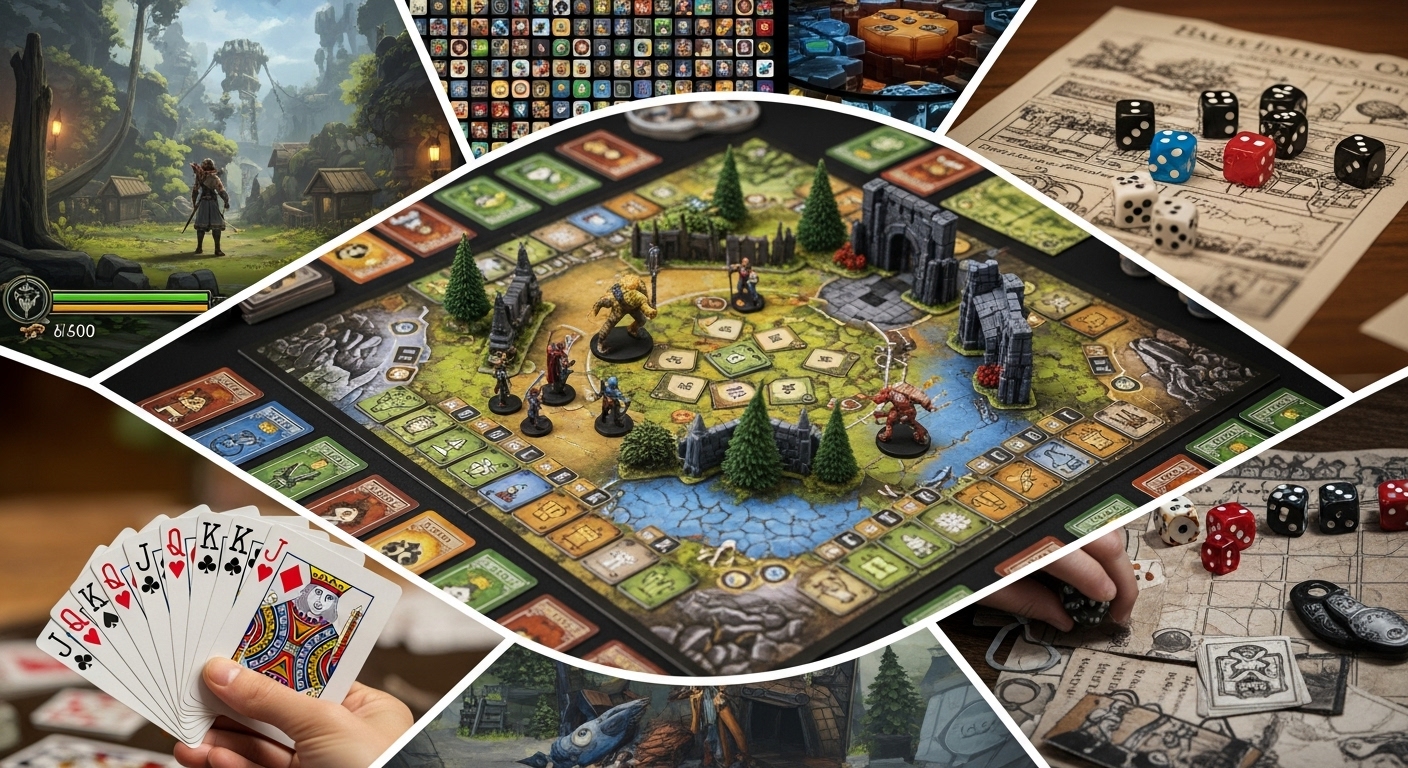
Introduction
Games have been a part of human civilization for thousands of years, serving as a source of amusement, strategy, and social interaction. From ancient board games like Senet and Go to modern video games, the evolution of games reflects the creativity, technology, and culture of each era. In the 21st century, games have transformed from casual pastimes into a major industry that influences entertainment, education, and social connections worldwide.
This blog explores the history of games, the evolution of digital gaming, its cultural impact, the technology behind modern games, and how the industry continues to shape our leisure and entertainment experiences.
The Origins of Gaming
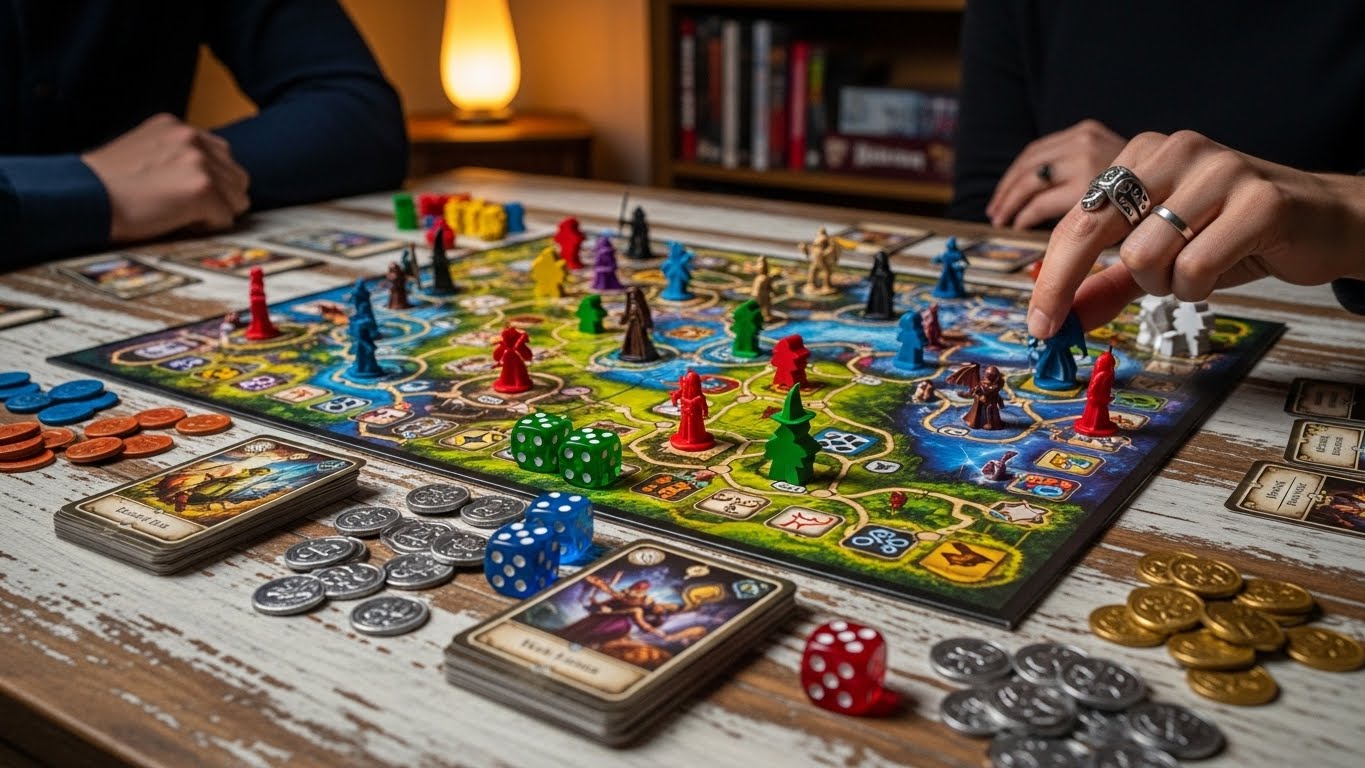
Games are as old as human civilization itself. Early societies developed games for multiple purposes, including teaching strategy, passing the time, and building social bonds. Ancient board games like Senet in Egypt and Go in China combined strategy with skill, while dice games in Rome introduced elements of chance.
These early games often reflected cultural and societal values. They were tools for learning, socializing, and competing in a structured environment. Over time, games spread across civilizations, evolving in complexity and scope while maintaining their fundamental purpose: entertainment and engagement.
The Evolution of Board and Physical Games
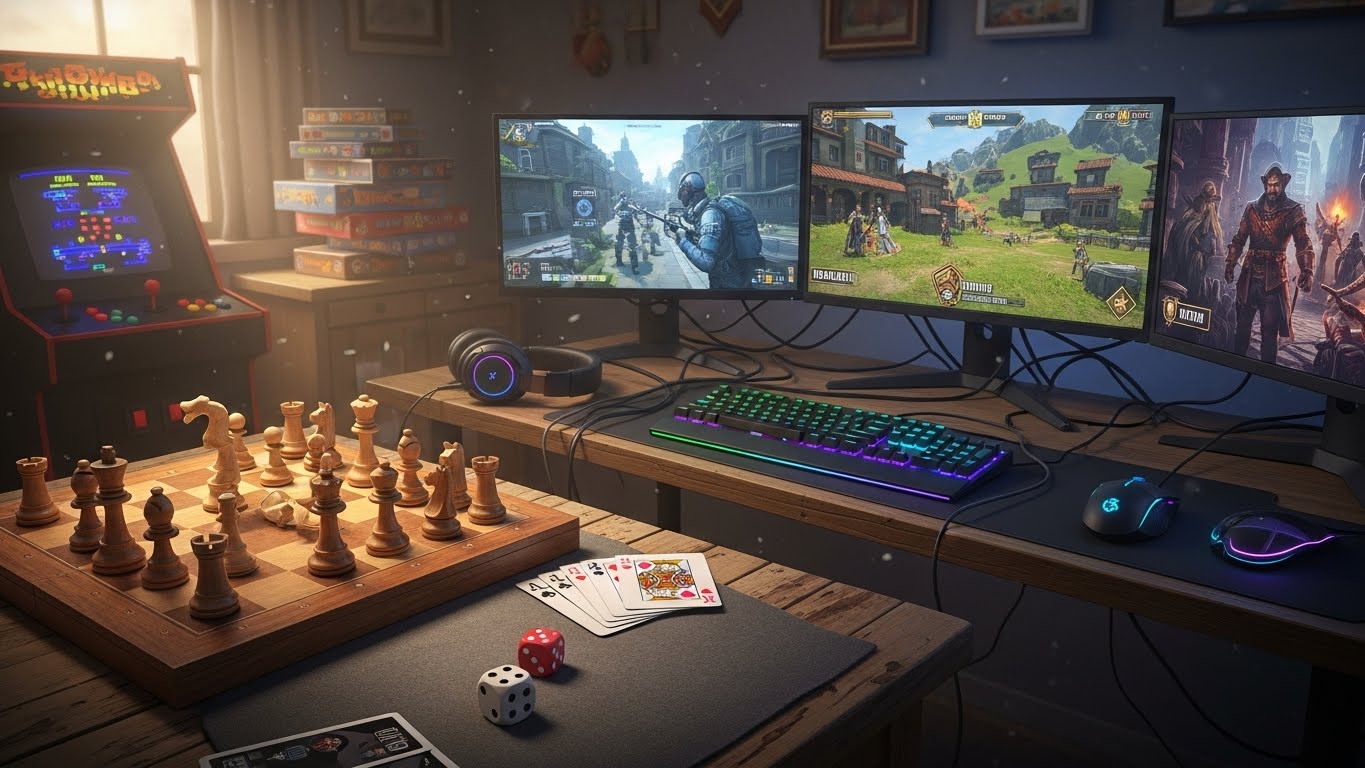
Before the rise of digital gaming, board games, card games, and sports dominated recreational activities. Chess, checkers, and poker became global phenomena, valued for both their strategic depth and social interaction.
Sports and physical games also played a critical role in human culture. Activities like soccer, basketball, and traditional tribal games encouraged teamwork, competition, and physical development. These games were more than entertainment; they taught discipline, coordination, and strategic thinking. Physical and tabletop games laid the foundation for structured play that would later influence digital gaming.
The Birth of Video Games
The advent of computers and electronic technology in the 20th century revolutionized the concept of gaming. The first video games were simple, pixel-based creations like Pong and Space Invaders, yet they captured the imagination of millions. The 1980s and 1990s saw the rise of home consoles, transforming gaming into an accessible and immersive form of entertainment.
Games like Super Mario Bros., The Legend of Zelda, and Tetris introduced engaging narratives, complex mechanics, and memorable characters. Players were no longer passive spectators; they actively shaped outcomes through skill, decision-making, and strategy. This shift marked the beginning of a cultural revolution in entertainment, with video games emerging as a dominant force.
Modern Digital Gaming and Its Diversity
Today, digital gaming encompasses an incredibly diverse landscape. From casual mobile games to competitive eSports, the industry caters to a wide variety of interests and skill levels. Puzzle games, role-playing games, simulation games, and first-person shooters each offer unique experiences and challenges.
Online multiplayer games have expanded the social aspect of gaming, connecting players from around the world. Communities form around shared interests, collaborative gameplay, and competitive tournaments, making gaming a social as well as recreational activity. This diversity ensures that there is something for everyone, regardless of age, preference, or experience level.
The Rise of Mobile Gaming
Mobile gaming has become one of the most influential segments of the industry. Smartphones and tablets allow players to access games anywhere, anytime, creating a convenient and immersive experience. Mobile games range from casual titles like Candy Crush to competitive multiplayer games like PUBG Mobile and Fortnite.
The success of mobile gaming lies in its accessibility and flexibility. Games are designed for short bursts of play, making them ideal for commuting, waiting, or relaxing at home. In addition, mobile platforms integrate social features, leaderboards, and regular updates, keeping players engaged and connected.
eSports: Gaming as a Competitive Sport
One of the most significant developments in modern gaming is the rise of eSports. Competitive gaming has evolved into a professional industry with organized tournaments, sponsorships, and global audiences. Games like League of Legends, Dota 2, and Counter-Strike have professional leagues, drawing millions of viewers online and in live arenas.
eSports players train rigorously, often under professional coaches and support staff, similar to traditional athletes. Their skills, strategies, and teamwork are showcased on a global stage, transforming gaming into a recognized form of competition. eSports has elevated gaming from a hobby to a legitimate career path and major entertainment medium.
Gaming Technology: Shaping the Experience
The technology behind modern games is essential to their appeal. High-definition graphics, realistic physics engines, and immersive sound design enhance the player experience, creating virtual worlds that feel alive. Artificial intelligence enables dynamic gameplay, adapting challenges and interactions to player behavior.
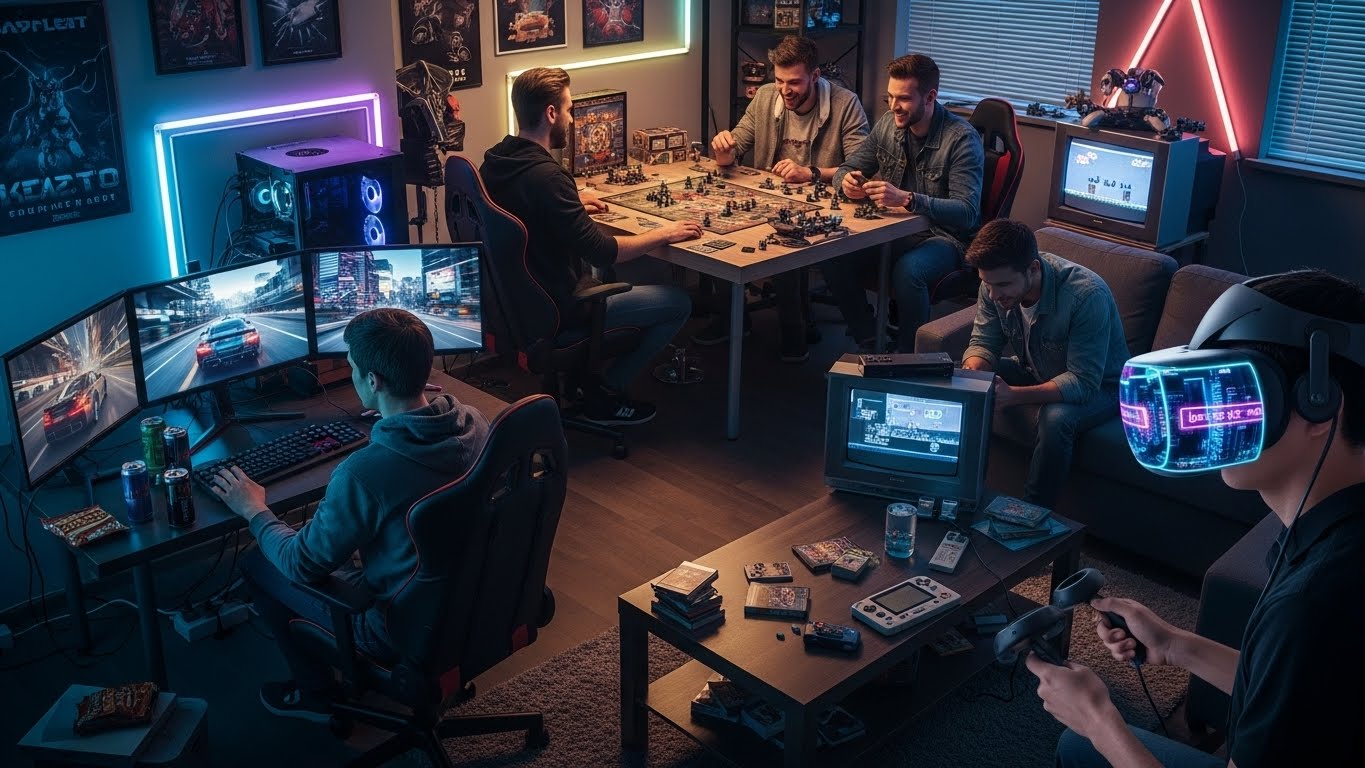
Virtual reality (VR) and augmented reality (AR) represent the next frontier, offering fully immersive experiences where players can interact with digital environments in new ways. Motion controls, haptic feedback, and cloud gaming have further revolutionized the industry, expanding accessibility and redefining how games are played.
Social Interaction and Community in Gaming
Gaming is no longer a solitary activity. Online multiplayer games, forums, and streaming platforms have created global communities where players interact, collaborate, and compete. Social features such as guilds, clans, and in-game chat foster camaraderie and a sense of belonging.
Streaming platforms allow gamers to share their experiences with audiences worldwide, creating social entertainment ecosystems. Influencers and content creators contribute to the culture, providing guidance, entertainment, and inspiration for fellow gamers. Gaming has evolved into a social medium that connects millions across borders and cultures.
Educational and Cognitive Benefits of Gaming
Beyond entertainment, games offer educational and cognitive benefits. Strategy-based games enhance problem-solving skills, critical thinking, and decision-making. Puzzle games and simulations promote creativity, spatial awareness, and memory.
Educational games combine fun with learning, teaching subjects like mathematics, history, and science in interactive formats. Gamification techniques, such as rewards and challenges, motivate players to engage deeply and persistently. Games have become tools for personal growth, skill development, and mental stimulation.
Gaming and Culture
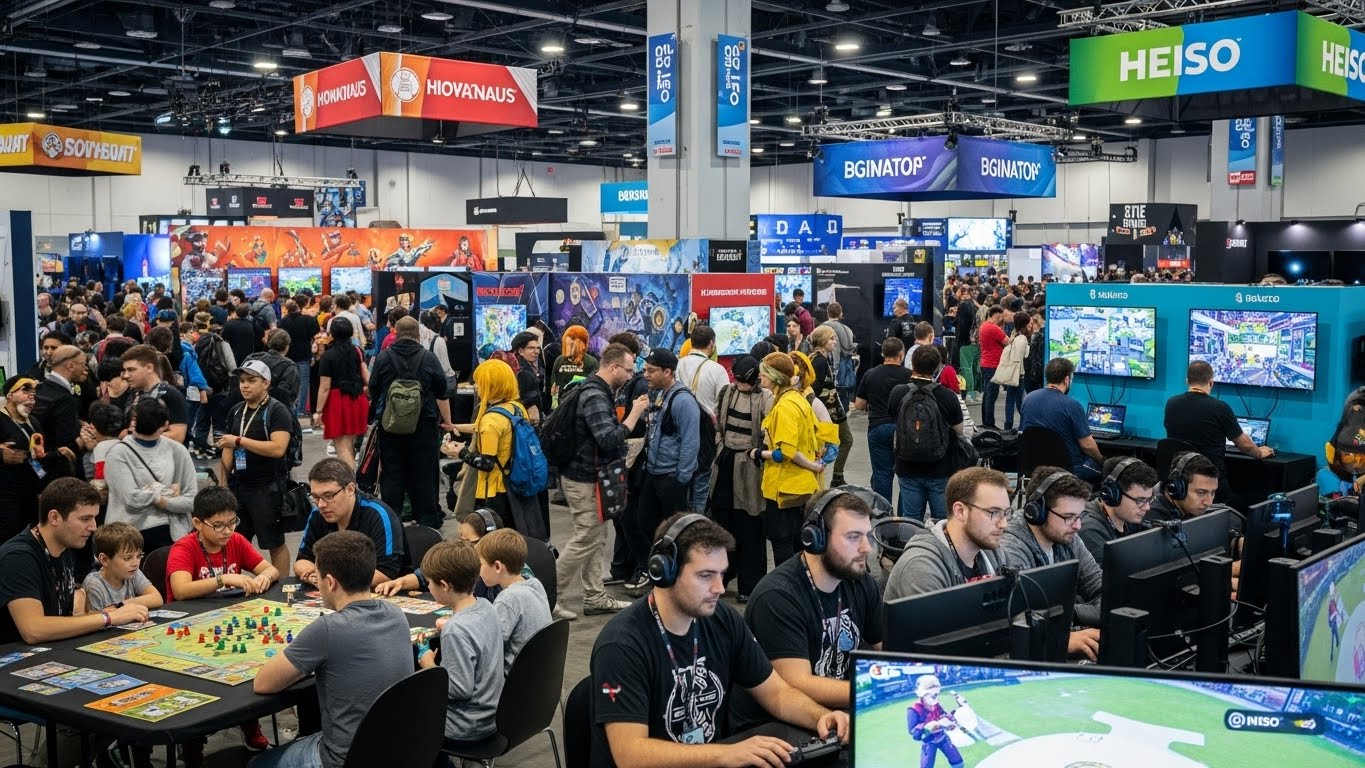
Games influence culture and vice versa. Popular titles inspire art, music, fashion, and storytelling. Iconic characters and narratives permeate media, creating cross-cultural phenomena. Gaming conventions, tournaments, and fan events celebrate this cultural impact, allowing players to engage with creators, peers, and the industry.
Gaming culture emphasizes creativity, collaboration, and innovation. It also encourages inclusion and diversity, bringing together individuals from different backgrounds to share a common passion. The cultural influence of gaming extends beyond the screen, shaping entertainment, communication, and identity.
Challenges in Modern Gaming
Despite its growth, the gaming industry faces challenges. Issues such as addiction, cyberbullying, and toxic behavior can negatively impact players. Game developers and platforms implement measures like parental controls, reporting systems, and ethical guidelines to promote safe and responsible gaming.
Maintaining balance between engagement and well-being is essential. As the industry expands, addressing social, psychological, and ethical concerns ensures that gaming remains a positive and sustainable form of entertainment.
The Future of Gaming
The future of gaming promises continued innovation, immersion, and social connection. Advances in AI, VR, AR, and cloud technology will create increasingly dynamic and interactive experiences. Cross-platform gaming will further unify player communities, while mobile and streaming platforms will expand accessibility.
Games will continue to blend entertainment with education, culture, and social interaction. Virtual worlds, adaptive narratives, and immersive gameplay will redefine how people engage with entertainment, making gaming a central part of global culture.
Conclusion
Gaming has evolved from simple board games and early video experiments into a vast, diverse, and immersive industry. Modern games combine technology, storytelling, social interaction, and creativity, offering experiences that entertain, educate, and connect people worldwide. From mobile games and VR adventures to eSports and global gaming communities, the world of games continues to shape entertainment and culture in unprecedented ways.
As technology advances and player expectations evolve, gaming will remain at the forefront of digital entertainment, offering experiences that are engaging, innovative, and transformative. The world of games is no longer just about play—it is about connection, creativity, and shared human experience.