gamechampion54
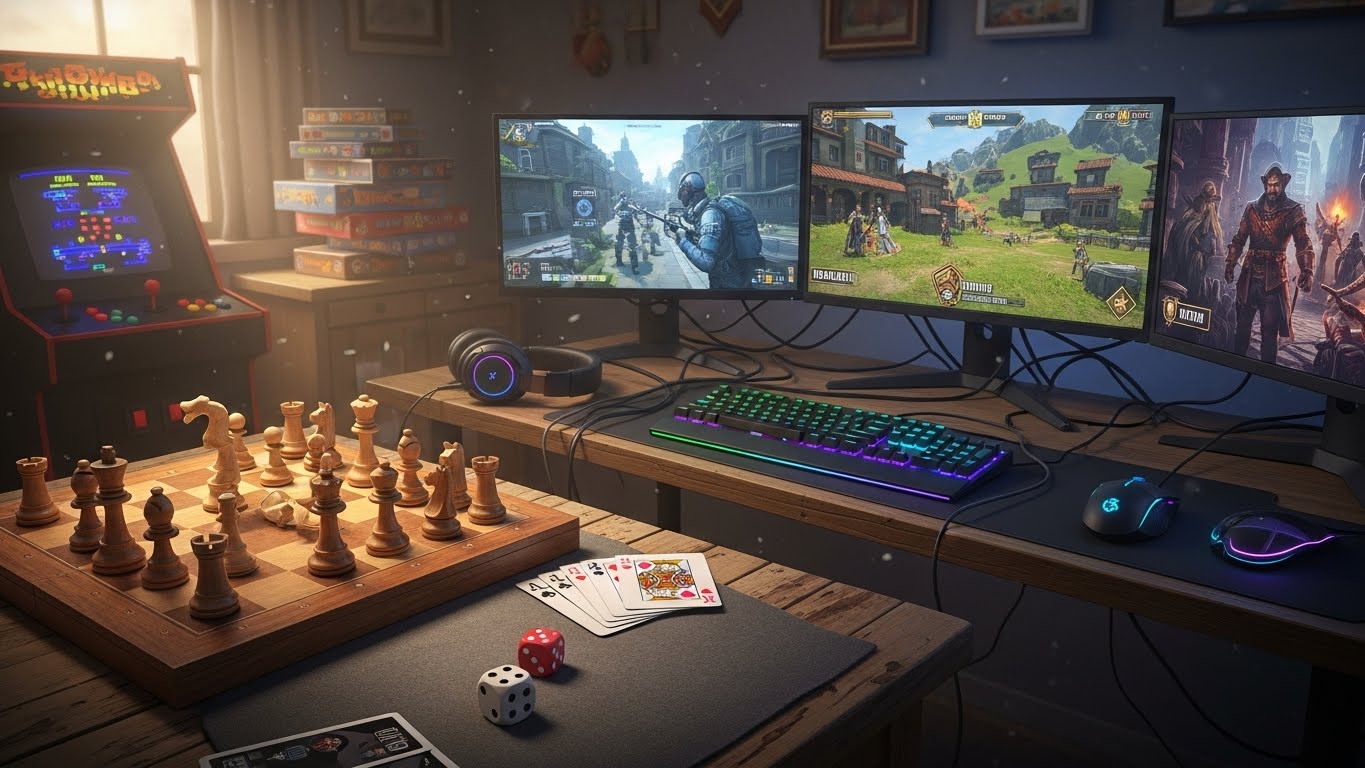
In the modern age of entertainment, few experiences can compare to the immersive world of video games. What was once a simple hobby, enjoyed by a few, has grown into a multi-billion-dollar industry with a global reach. Games have evolved far beyond pixelated screens and joystick controls, becoming complex, emotionally-driven experiences that can transport players into entirely different worlds. This blog explores the magical, ever-expanding world of games, their transformative impact, and what makes them such an essential part of our modern culture.
The Rise of Video Games: From Arcades to Living Rooms
The history of video games is rooted in the humble beginnings of arcade machines in the 1970s. Games like Pong and Space Invaders captivated audiences with their simple yet addictive gameplay. In those early days, arcades were the places to go if you wanted to experience the cutting-edge of entertainment.
As technology advanced, the evolution of gaming took a significant leap with the advent of home consoles in the late ’70s and early ’80s. This shift brought games into people’s living rooms, revolutionizing how people experienced entertainment. Systems like the Atari 2600 and the Nintendo Entertainment System (NES) made video games accessible to families, with iconic titles like Super Mario Bros. and Pac-Man becoming cultural milestones. These early consoles laid the foundation for the massive gaming culture we have today.
Gaming’s Evolution: From 2D to 3D Worlds
The 1990s marked a transformative period in gaming, as developers began to explore the potential of 3D graphics. The shift from two-dimensional to three-dimensional gameplay was revolutionary, and it significantly changed the way games were designed. With the release of consoles like the Sony PlayStation and the Nintendo 64, players were introduced to vast 3D worlds with deep narratives, stunning visuals, and dynamic gameplay.
Games like The Legend of Zelda: Ocarina of Time and Final Fantasy VII helped define the era, combining rich storytelling with expansive worlds to create experiences that were both captivating and immersive. The focus was no longer just on simple objectives; these games introduced players to fully realized worlds where exploration, character development, and narrative were just as important as the gameplay itself.
The Social Side of Gaming: Connecting Players Worldwide
One of the most significant shifts in gaming occurred with the rise of online multiplayer games. The 2000s saw the introduction of broadband internet and the birth of online gaming. Games like Halo 2 and World of Warcraft allowed players to connect with others from all around the world. This new online dimension not only transformed gaming into a more social experience but also introduced competitive play on a global scale.
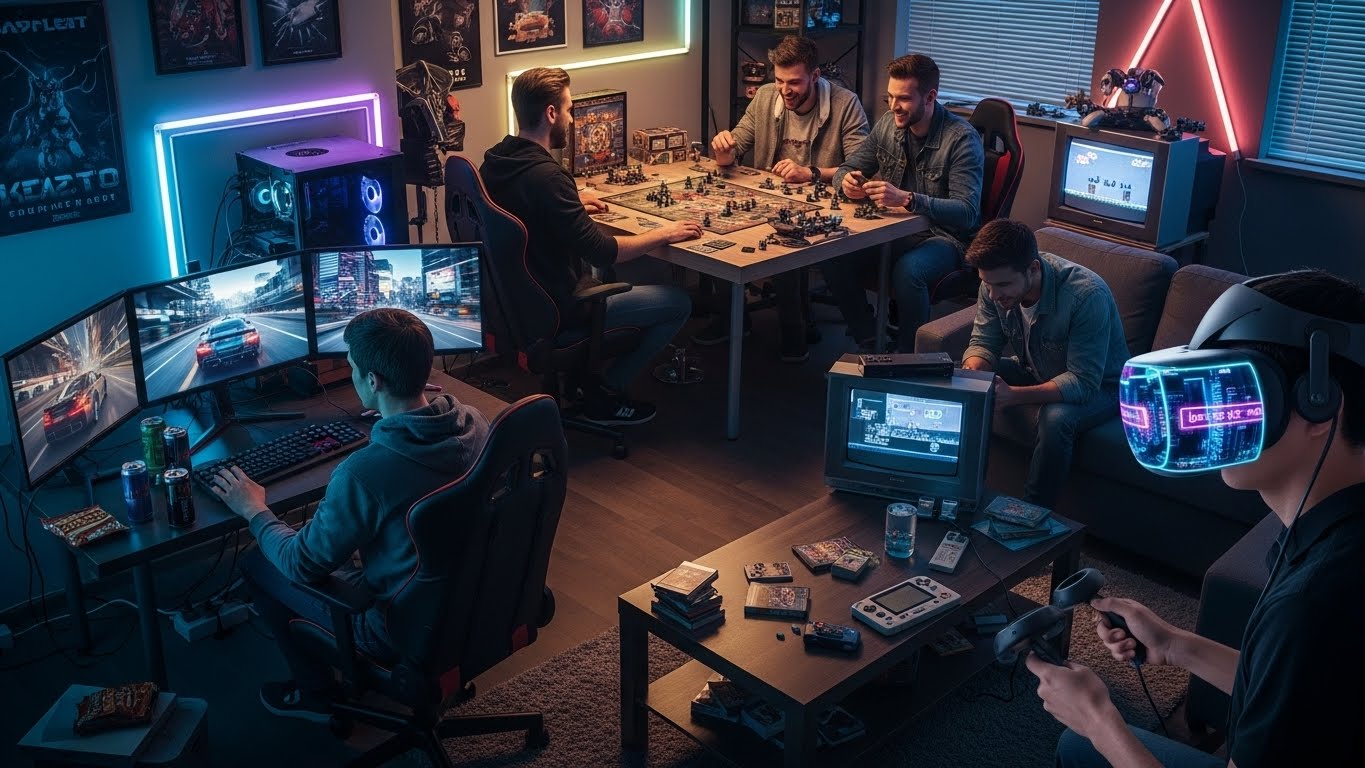
Today, online multiplayer games have become a cornerstone of modern gaming. Whether it’s playing Fortnite with friends or battling it out in League of Legends, the ability to connect and compete with players from different cultures and countries has made gaming more inclusive than ever before. The social aspect of gaming has created a global community, where friendships are formed, teams are built, and players can share their experiences with others.
Mobile Gaming: The Next Big Thing
As smartphones have become more powerful, mobile gaming has exploded in popularity. Mobile games have become an essential part of daily life for millions of people, offering quick, accessible entertainment wherever you are. Games like Candy Crush Saga, Clash Royale, and Pokémon GO have introduced casual gaming to a broader audience, proving that you don’t need a console or PC to enjoy a good game.
What makes mobile gaming so unique is its accessibility. Games can be played during short breaks, on public transport, or while waiting in line. This flexibility has made gaming available to a broader demographic, including people who wouldn’t consider themselves traditional gamers. The mobile gaming market has become a major force in the industry, changing the way people think about gaming and opening the door to new types of gameplay experiences.
Virtual Reality: A New Frontier in Gaming
One of the most exciting innovations in recent years is virtual reality (VR). VR allows players to step inside the game, immersing themselves in a fully interactive 3D environment. With the help of headsets like the Oculus Rift, HTC Vive, and PlayStation VR, players can explore virtual worlds as if they were really there.
Games like Beat Saber, The Walking Dead: Saints & Sinners, and No Man’s Sky VR have showcased the potential of VR gaming, offering players an experience unlike anything else. VR takes immersion to the next level, allowing players to physically interact with the game world, whether by swinging a lightsaber or exploring an alien planet. Though still in its early stages, VR is poised to redefine how we experience gaming in the coming years.
Esports: Gaming as a Competitive Sport
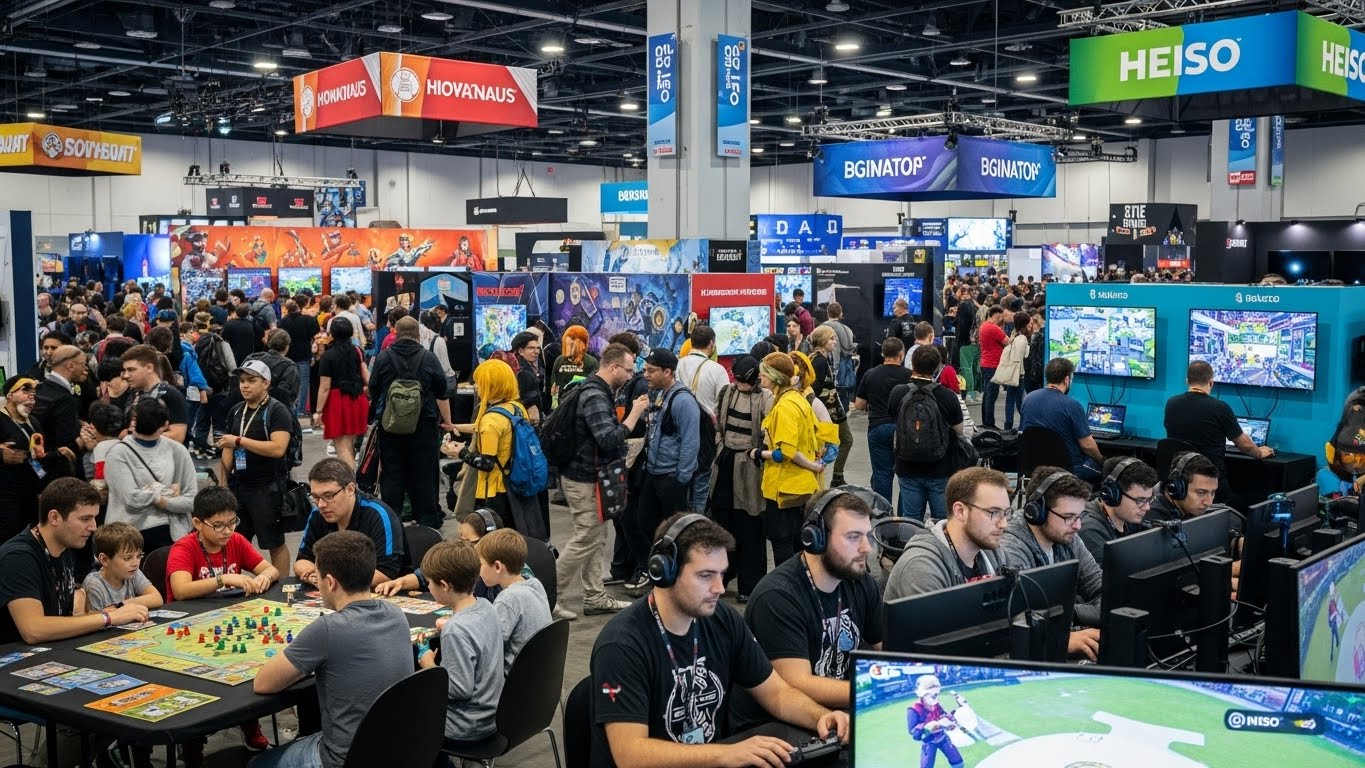
While gaming has always been fun, it has also become a serious competitive endeavor. Esports, or competitive gaming, has grown into a massive industry, with professional players, teams, and leagues now competing for big money prizes and sponsorships. Games like League of Legends, Dota 2, and Counter-Strike: Global Offensive have become the centerpiece of this phenomenon, drawing millions of viewers to online streams and live events.
Esports has legitimized gaming as a professional sport, with tournaments often filling stadiums and attracting huge audiences. The rise of streaming platforms like Twitch has further fueled the growth of esports, allowing fans to watch their favorite players live and interact with the gaming community. For some, esports has become a career, with players making a living from sponsorships, tournaments, and streaming. As esports continues to grow, it’s clear that competitive gaming is here to stay.
Games as Art: The Cultural Impact of Video Games
In recent years, video games have started to gain recognition as an art form. Games like The Last of Us, Red Dead Redemption 2, and Journey have demonstrated that video games can tell powerful stories, convey deep emotions, and explore complex themes. These games go beyond mere entertainment—they are a form of expression, capable of evoking the same reactions as a great film or novel.
What sets games apart from other art forms is their interactive nature. Players are not just passive observers; they are active participants in the story. This ability to shape the narrative through their choices adds a level of depth and immersion that other mediums simply cannot replicate. As the gaming industry continues to evolve, the recognition of games as art will likely continue to grow, with developers pushing boundaries to create even more compelling, thought-provoking experiences.
The Future of Gaming: What’s Next?
As technology continues to advance, the future of gaming is brighter than ever. New consoles, more powerful graphics, and innovations like cloud gaming and AI-driven gameplay are on the horizon. Virtual reality, augmented reality, and even more interactive forms of gaming will become increasingly mainstream, offering players new ways to engage with their favorite worlds.
The gaming industry is also becoming more inclusive, with greater representation and diverse stories being told. Developers are recognizing the importance of creating games that resonate with a wide range of players, allowing for more inclusive and varied experiences.
In the years to come, gaming will continue to evolve, and it’s exciting to think about where it might take us next. From immersive virtual worlds to interactive storytelling, the potential for gaming is limitless.
Conclusion: Why Gaming Matters
Video games are not just a form of entertainment; they are an experience, a medium that brings people together, challenges them, and allows them to explore new worlds. From their early days in arcades to the expansive digital universes of today, games have grown in complexity, accessibility, and cultural significance. As the gaming industry continues to evolve, one thing is clear: gaming is an essential part of our modern lives. Whether you’re a casual player or a professional gamer, the magic of gaming is here to stay, and its impact on culture will only continue to grow.