gamechampion54
In a world where technology continues to shape every aspect of our lives, one form of entertainment has experienced rapid transformation and growth—video games. From humble beginnings in arcades to the global, multi-billion-dollar industry we know today, games have become more than just a pastime. They are a cultural phenomenon, a medium for storytelling, a competitive arena, and even a platform for socializing. In this post, we’ll explore the evolution of video games, their influence on society, and the diverse ways they impact our lives.
The Humble Origins: The Birth of Video Games
Video games trace their origins back to the early 1950s and 1960s, but it was the 1970s that truly marked the beginning of interactive digital entertainment. The first arcade games, such as Pong and Space Invaders, introduced the world to the concept of playing a game on a screen. Though simple by today’s standards, these early games laid the foundation for the gaming industry.
At the time, video games were largely confined to arcades, where players competed for high scores, a sign of gaming’s ability to bring people together in shared experiences. Even in their infancy, these games had the power to captivate audiences, and the novelty of interactive entertainment sparked the imaginations of many. The early days of gaming showed that video games could offer more than just entertainment—they could create immersive experiences that invited people to participate rather than just watch.
The Console Revolution: Gaming Comes Home
In the 1980s, video games moved from arcades to living rooms with the advent of home consoles. The Atari 2600, Nintendo Entertainment System (NES), and Sega Genesis made gaming accessible to everyone. With the ability to play games like Super Mario Bros., Pac-Man, and Sonic the Hedgehog at home, the landscape of gaming began to change dramatically.
This era was marked by the rise of iconic franchises that are still popular today, such as Mario, Zelda, and Final Fantasy. Home consoles allowed for more immersive gameplay experiences, offering better graphics and sound than earlier arcade games. The experience of gaming was no longer restricted to a public space but became a personal, home-based activity. This shift helped solidify gaming as a mainstream form of entertainment that could be enjoyed by individuals, families, and friends alike.
The 3D Revolution: A New Dimension of Gameplay
The 1990s marked a turning point in the evolution of video games. With the release of the Sony PlayStation, Nintendo 64, and Sega Saturn, the gaming world was introduced to the power of 3D graphics. Titles like Super Mario 64, The Legend of Zelda: Ocarina of Time, and Final Fantasy VII used these new technological capabilities to create vast, three-dimensional worlds that players could explore.
This era saw a leap in both visual and gameplay complexity. Game developers began to experiment with storytelling, creating rich narratives and fully realized worlds for players to dive into. The ability to control characters in 3D environments opened up new gameplay possibilities, from intricate puzzles to open-world exploration. For many gamers, this was a golden age of gaming that solidified the idea of video games as a sophisticated medium for interactive storytelling.
The Online Revolution: Global Connectivity
The late 1990s and early 2000s introduced a new frontier for gaming: online multiplayer experiences. Games like Quake, StarCraft, and Counter-Strike allowed players to compete with or against each other over the internet, creating new forms of social interaction within the gaming space.
The rise of broadband internet enabled seamless connections between players from different parts of the world, leading to the creation of a global gaming community. Players no longer had to rely on local multiplayer experiences or limited geographic proximity. The internet made it possible to compete against or cooperate with anyone, anywhere. This shift also gave rise to new game genres, including massively multiplayer online role-playing games (MMORPGs) like World of Warcraft, where thousands of players could interact in a shared virtual world.
The Social Side of Gaming: More Than Just Playing Alone
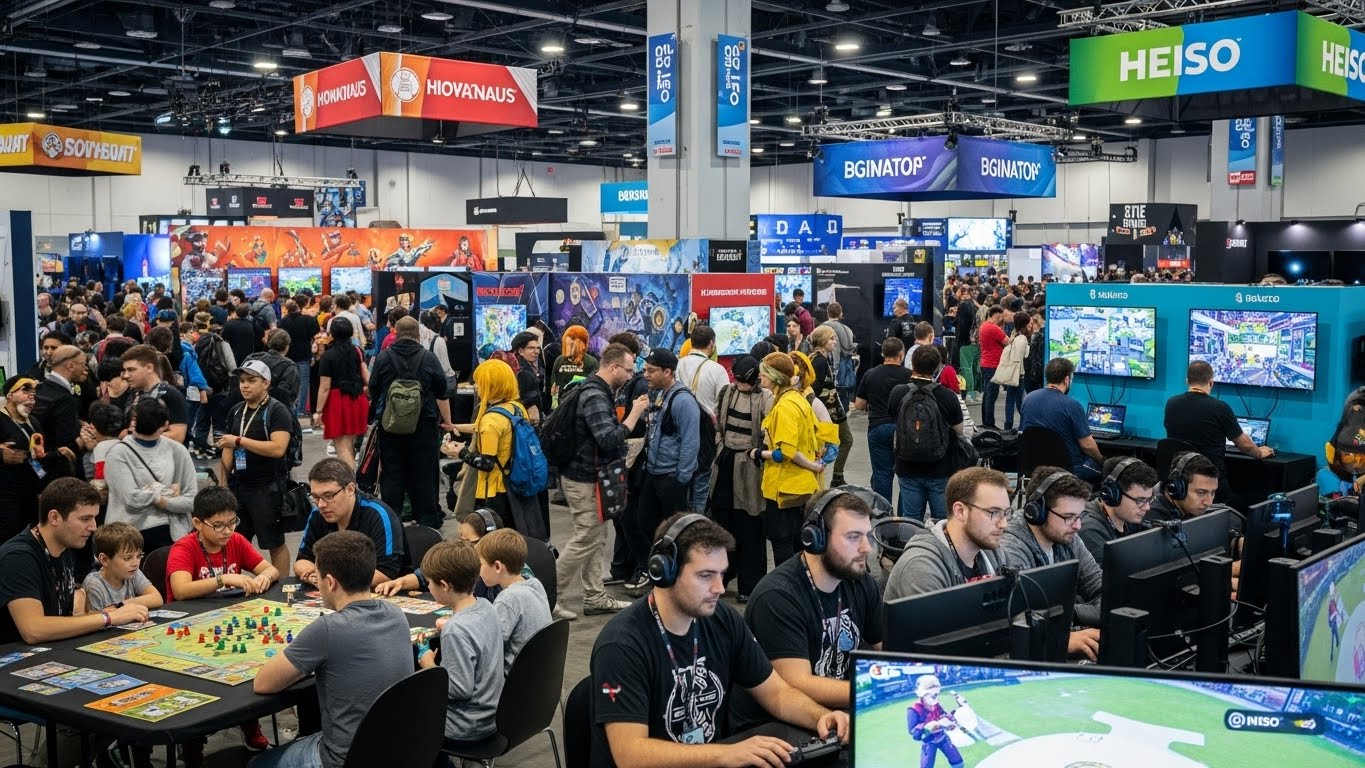
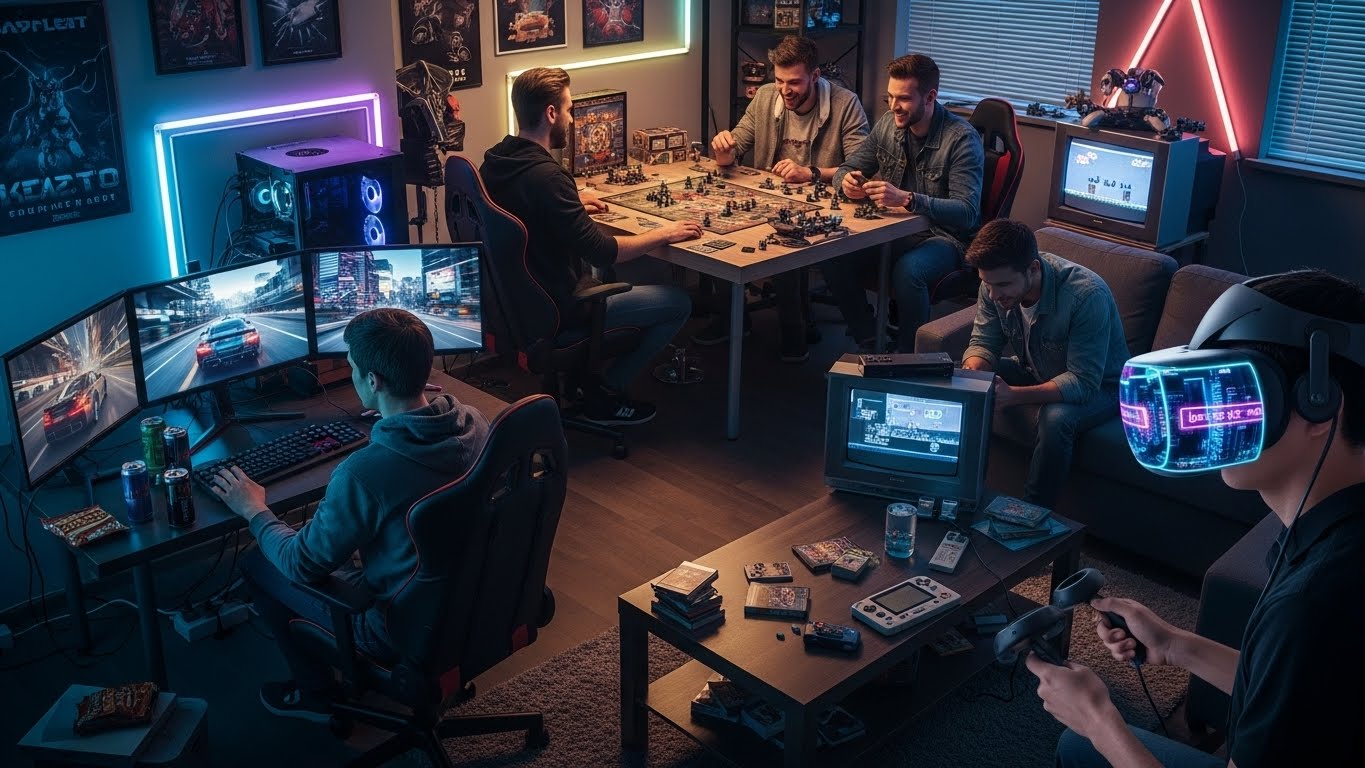
While gaming has often been seen as a solitary activity, the rise of online gaming and streaming platforms has turned it into a social experience. Today, millions of players interact not only through games but also via social media, streaming platforms like Twitch, and online communities. Games like Fortnite, League of Legends, and Minecraft have become social hubs, where players form friendships, share experiences, and even attend in-game events together.
Moreover, streaming platforms like Twitch have allowed players to turn their gaming into a career. Streamers create content by playing games live, engaging with audiences, and building large fan communities. These platforms have brought a new layer to gaming, making it possible for anyone to watch and learn from others, follow their favorite players, or simply enjoy gaming content in a social environment.
The Impact of Mobile Gaming: Games in Your Pocket
Mobile gaming is one of the most significant trends of the last decade. Thanks to smartphones and tablets, games are now more accessible than ever. Players can engage with mobile games anytime, anywhere—whether they are on public transportation, at home, or waiting for a friend. Games like Candy Crush, Angry Birds, and Pokémon GO have reached millions of players, some of whom may not consider themselves traditional gamers.
Mobile gaming has democratized access to games, allowing people of all ages and backgrounds to enjoy gaming without needing a dedicated console or high-powered PC. These games are often designed to be short and easy to pick up, providing quick entertainment for players who may not have time for lengthy gaming sessions. The accessibility of mobile games has made gaming a more inclusive activity, introducing new audiences to the world of interactive entertainment.
The Future of Gaming: VR, AR, and Beyond
Looking ahead, the future of gaming holds exciting possibilities. Virtual reality (VR) and augmented reality (AR) are technologies that are beginning to redefine how we interact with games. VR headsets, such as the Oculus Rift and PlayStation VR, allow players to immerse themselves in fully realized digital worlds. Games like Beat Saber and Half-Life: Alyx offer interactive, 360-degree experiences that engage players’ senses in ways traditional games cannot.
AR games, such as Pokémon GO, blend the real world with digital content, encouraging players to explore their surroundings in a new and innovative way. These technologies hold the potential to create even more immersive and engaging gaming experiences, allowing players to step into virtual worlds or interact with digital content in the real world.
Moreover, the idea of cloud gaming—streaming games directly from the internet without the need for expensive hardware—could revolutionize the gaming industry. Cloud gaming platforms like Google Stadia and Microsoft xCloud promise to make high-quality games accessible to anyone with an internet connection, regardless of their device.
Gaming as an Art Form: Storytelling and Emotion
As the gaming industry continues to grow, the medium is increasingly being recognized as an art form. Games are no longer just about achieving high scores or completing levels; they have become powerful tools for storytelling and emotional exploration. Games like The Last of Us, Journey, and Red Dead Redemption 2 show how video games can convey complex narratives, evoke emotions, and tackle important social issues.
The interactivity of games allows players to experience stories in ways that movies or books cannot. Through their decisions and actions, players shape the narrative and influence the outcomes. This sense of agency is one of the unique qualities of gaming, and it has allowed games to become one of the most innovative and engaging forms of modern storytelling.
Conclusion: The Lasting Power of Video Games
From their humble beginnings to the global, culturally significant medium they are today, video games have come a long way. What started as a simple form of entertainment has grown into an art form, a social activity, and a competitive platform. With new technologies on the horizon, such as VR, AR, and cloud gaming, the future of gaming looks brighter than ever.
Gaming has proven to be more than just a hobby—it is a shared experience that transcends age, culture, and geography. Whether you’re exploring vast worlds, competing in online arenas, or simply enjoying a mobile game on the go, the gaming experience is always evolving. As technology advances and new innovations emerge, there’s no telling just how far gaming will go in the years to come. What is clear, however, is that video games will continue to captivate, challenge, and inspire us for generations to come.