gamechampion54
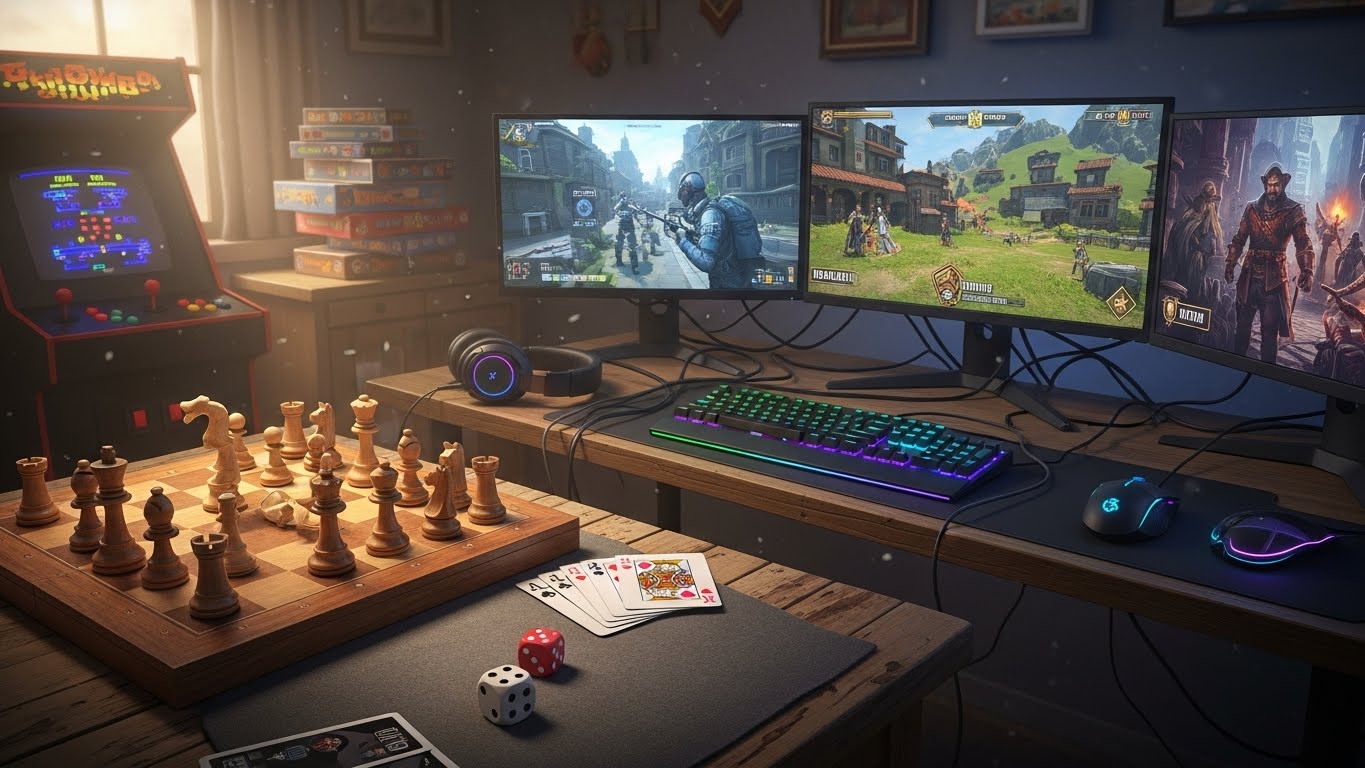
Games have been a cornerstone of human culture for centuries, providing entertainment, education, and a sense of community. From ancient board games like Senet to the latest virtual reality experiences, gaming has evolved dramatically over time. While the games we play have changed, the core purpose of games—to bring people together, challenge them, and provide a space for escape—has remained the same. In this blog post, we’ll explore the history of games, how technology has shaped their evolution, and what the future of gaming holds.
The Origins of Games: Play as a Cultural Tradition
Games are deeply ingrained in human history, with some of the earliest forms of play dating back to ancient civilizations. Archaeological evidence suggests that games like Senet in Egypt and Go in China were played as far back as 3000 BCE. These early games often had symbolic or spiritual significance, offering players not just entertainment but also a way to understand the world around them.
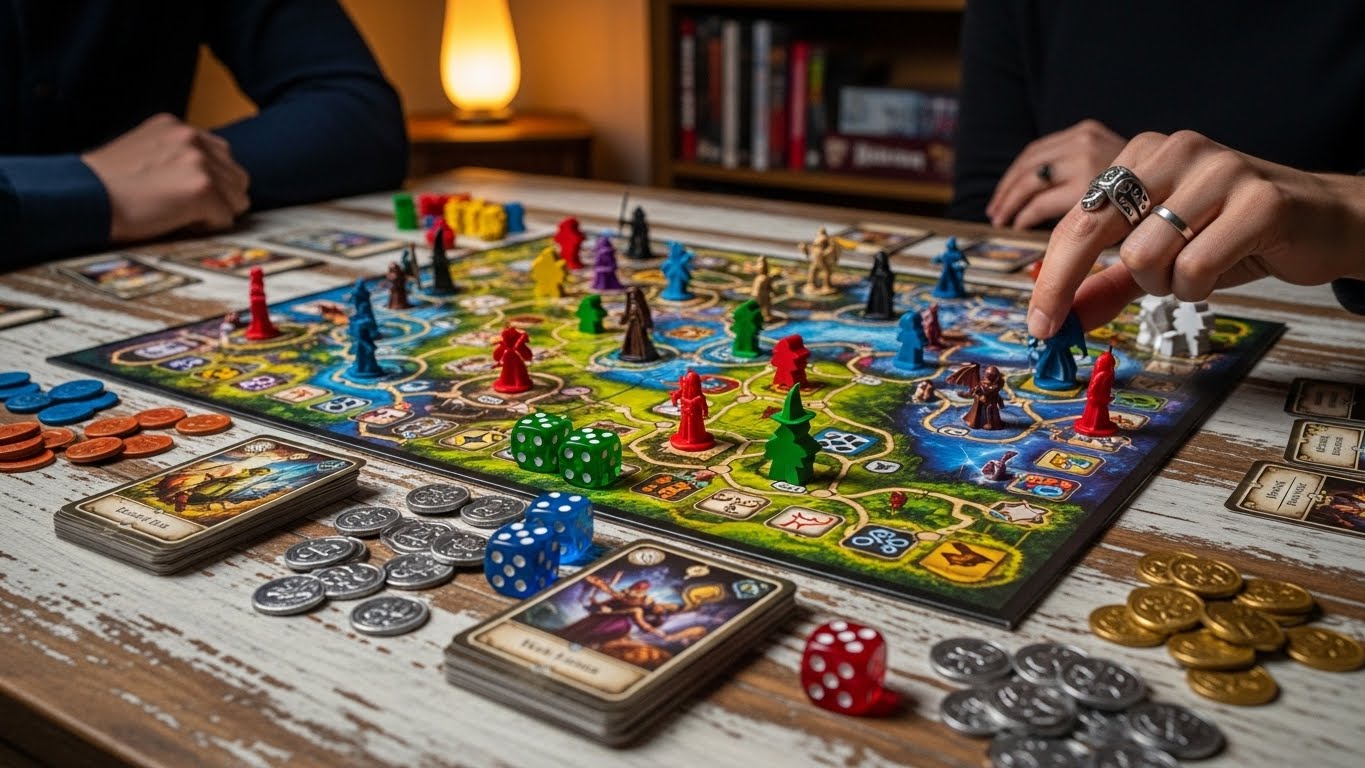
Board games like chess and backgammon originated in the Middle East and became popular in Europe during the Medieval period. These games were not only a form of leisure but also a way for people to sharpen their strategic thinking and problem-solving skills. Meanwhile, in various cultures around the world, physical games and sports such as ball games, archery, and wrestling were also popular, contributing to social interaction and physical fitness.
Over time, games evolved from solitary and communal pastimes into organized sports, with the establishment of rules, leagues, and competitive play. These early games laid the foundation for the diverse range of entertainment options we have today.
The Digital Revolution: The Birth of Video Games
The 20th century brought a technological breakthrough that would change the landscape of gaming forever—the invention of electronic video games. The first video game, Tennis for Two, was created in 1958 by physicist William Higinbotham. It was a simple tennis simulation displayed on an oscilloscope. However, it wasn’t until the early 1970s that video games truly began to gain traction. Pong, developed by Atari founder Nolan Bushnell, became the first commercially successful arcade game, and it marked the beginning of the video game industry.
In the 1980s, the home gaming market began to take off. With the introduction of consoles like the Atari 2600, Nintendo Entertainment System (NES), and Sega Genesis, video games became a popular form of entertainment in households around the world. These early consoles featured a variety of games, from platformers like Super Mario Bros. to arcade-style shooters like Space Invaders. As gaming technology improved, so did the complexity and depth of the games themselves. Games like The Legend of Zelda and Final Fantasy introduced players to more immersive, story-driven experiences.
The 1990s saw the rise of 3D gaming with consoles like the Sony PlayStation and Nintendo 64. Games like Super Mario 64 and Tomb Raider showcased the new possibilities of 3D environments, giving players the ability to explore vast worlds in a way that had never been possible before. These innovations paved the way for the next phase in the evolution of gaming: online multiplayer.
The Rise of Online Multiplayer Games
One of the most significant developments in the gaming world over the past few decades has been the rise of online multiplayer games. The internet opened up new possibilities for gamers to connect with one another, creating virtual communities and enabling players to interact in real time, no matter where they were located.
In the late 1990s and early 2000s, games like Diablo II and EverQuest pioneered the concept of massively multiplayer online role-playing games (MMORPGs). These games allowed thousands of players to interact in persistent online worlds, forming guilds, embarking on quests, and competing for rewards. This era marked the birth of a new social dimension in gaming, where friendships and rivalries were formed in virtual spaces that often felt as real as the physical world.
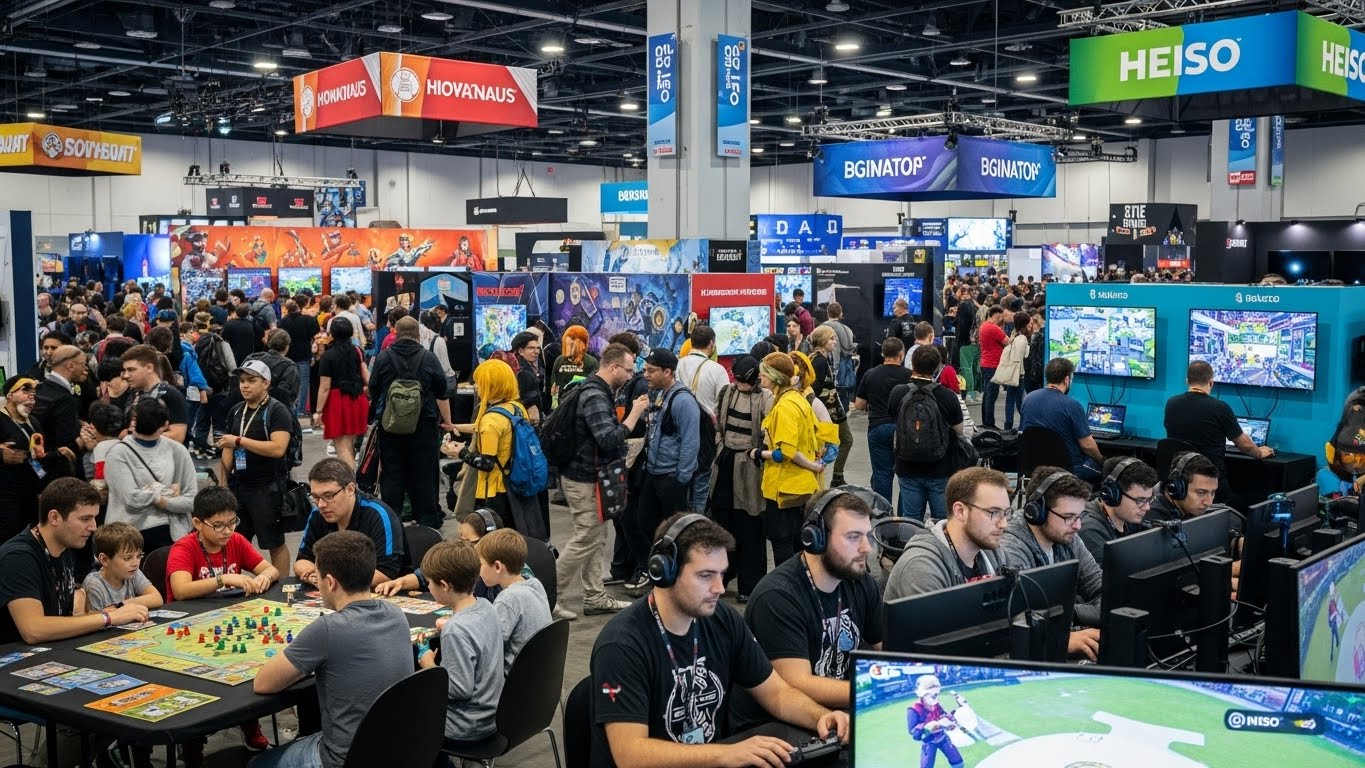
In parallel, first-person shooters (FPS) like Quake and Counter-Strike popularized online competitive gaming, laying the foundation for the rise of esports. The competitive gaming scene has since exploded, with games like League of Legends, Fortnite, and Overwatch attracting millions of players and viewers worldwide. Esports tournaments, with their professional teams and lucrative prize pools, have turned gaming into a spectator sport, drawing crowds and streaming audiences that rival traditional sports events.
The Mobile Gaming Boom: Gaming in Your Pocket
With the advent of smartphones in the 2000s, mobile gaming became one of the fastest-growing sectors in the gaming industry. Games like Angry Birds and Candy Crush took advantage of the portability and touch-screen functionality of smartphones to create simple, yet highly addictive experiences. Mobile gaming democratized play, as almost everyone now had access to games on their phones, whether they were casual players or hardcore enthusiasts.
The mobile gaming market is now a multibillion-dollar industry, and the variety of games available on mobile platforms has exploded. From puzzle games and social games to more complex titles like PUBG Mobile and Genshin Impact, the range of experiences on mobile devices has broadened significantly. Mobile gaming has become a gateway for people of all ages to engage in play, whether it’s a quick session during a commute or an extended session during downtime.
What’s more, mobile games have become more social, integrating features like multiplayer modes, social media sharing, and in-app purchases. Games like Clash of Clans and Fortnite have built entire communities around their platforms, creating a space where players can not only compete but also connect with one another.
Virtual Reality and Augmented Reality: The Future of Gaming
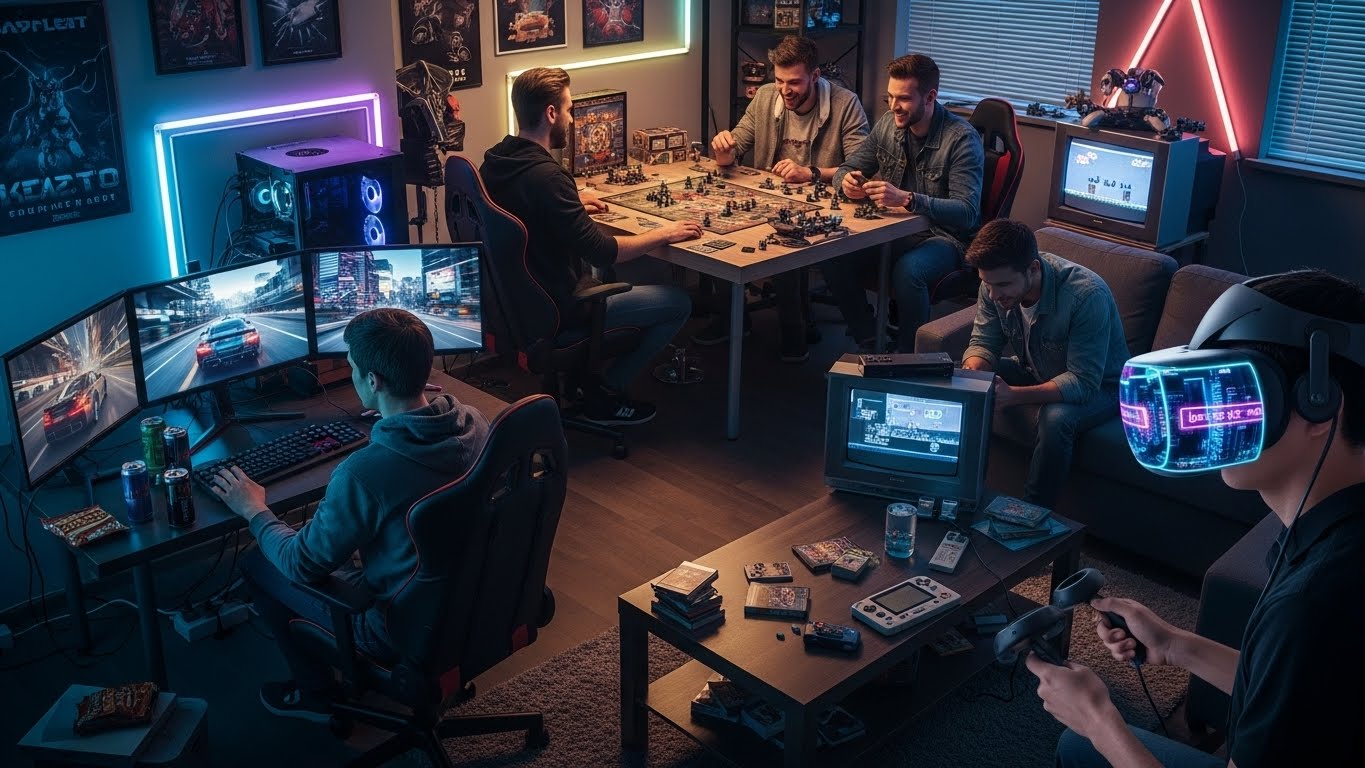
While mobile games are incredibly popular today, the future of gaming lies in even more immersive experiences through virtual reality (VR) and augmented reality (AR). VR gaming allows players to fully immerse themselves in a digital world, using headsets and motion controllers to interact with their environment. The technology has made significant strides over the past few years, with platforms like Oculus Rift, HTC Vive, and PlayStation VR offering gamers a chance to experience fully 3D, interactive worlds.
VR games, such as Beat Saber and Half-Life: Alyx, have proven that immersive gaming experiences can be both exhilarating and accessible. In the coming years, we can expect VR to become more mainstream, with more developers creating content that takes full advantage of the technology’s potential.
Augmented reality, on the other hand, overlays digital elements onto the real world, offering new opportunities for interactive play. The success of Pokémon GO showed the world that AR could be a powerful tool for gaming, allowing players to engage with the environment around them while discovering virtual objects or characters. Future AR games might involve everything from real-world scavenger hunts to interactive fitness experiences, combining gaming with physical activity.
The Impact of Games on Society
As games continue to evolve, so does their impact on society. What was once seen as a solitary or niche hobby has now become a global cultural phenomenon. Games have become a way for people to socialize, communicate, and connect with others from different walks of life. Online multiplayer games and social media platforms dedicated to gaming communities allow players to bond over shared experiences, making friends across the globe.
At the same time, games have become a form of art, with narrative-driven experiences that rival the storytelling of movies and literature. Titles like The Last of Us and Red Dead Redemption 2 have been praised for their deep narratives, rich character development, and emotional impact. Video games are now recognized as an art form, with many exploring complex themes such as identity, morality, and human relationships.
Gaming has also had a significant economic impact, creating jobs in fields like game development, esports, streaming, and content creation. The gaming industry is now larger than the film and music industries combined, contributing billions of dollars to the global economy each year.
However, gaming is not without its controversies. Issues like addiction, violent content, and the pressure of in-game microtransactions have sparked debates about the social implications of gaming. The gaming community, as well as developers and regulators, continue to wrestle with these challenges to ensure that gaming remains a positive force in society.
The Future of Gaming: Expanding Realities
The future of gaming is incredibly exciting, with technology continuing to push the boundaries of what’s possible. With the advent of VR, AR, and AI, gaming is becoming more immersive, interactive, and personalized than ever before. New innovations, such as cloud gaming, allow players to stream high-quality games directly to their devices without the need for expensive hardware, making gaming more accessible to people around the world.
The rise of AI is also opening up new possibilities for more dynamic, responsive gameplay. AI-driven characters and environments could lead to games that adapt in real-time to player actions, offering more personalized and unpredictable experiences.
Furthermore, the integration of blockchain technology and NFTs (non-fungible tokens) is beginning to make waves in the gaming world. Blockchain can provide players with true ownership of in-game assets, enabling a new form of digital economy where players can buy, sell, and trade items across platforms.
Conclusion: Gaming’s Endless Possibilities
The world of games has come a long way, from ancient board games to fully immersive virtual worlds. As technology continues to evolve, the future of gaming holds endless possibilities, offering even more ways for players to connect, create, and explore. Whether it’s through mobile devices, virtual reality, or blockchain, the gaming industry is constantly adapting and pushing the envelope, providing experiences that are more exciting, diverse, and accessible than ever before. For gamers, the adventure is just beginning.