gamechampion54
Introduction: The Evolution of Games
Games have been an integral part of human culture for thousands of years. From ancient board games played on carved stones to complex digital universes, games have evolved alongside society, reflecting creativity, competition, and collaboration. In modern times, gaming is not merely a pastime; it is a dynamic form of entertainment, learning, and social interaction.
Games today span a wide variety of genres, platforms, and experiences. They can challenge the mind, stimulate emotions, foster creativity, and even form lasting social bonds. In this blog, we will explore the history of games, their cultural significance, the rise of digital gaming, and how games influence our lives in both subtle and profound ways.
The Origins of Gaming
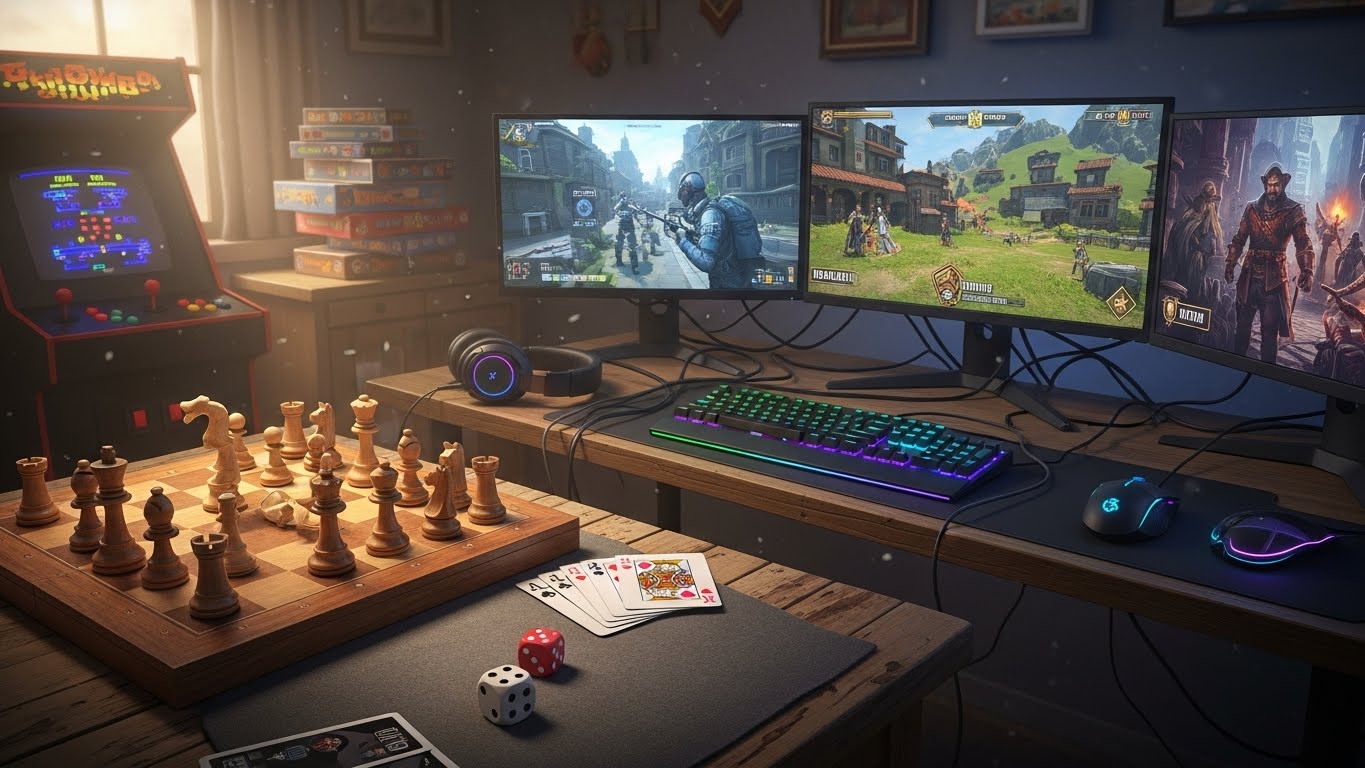
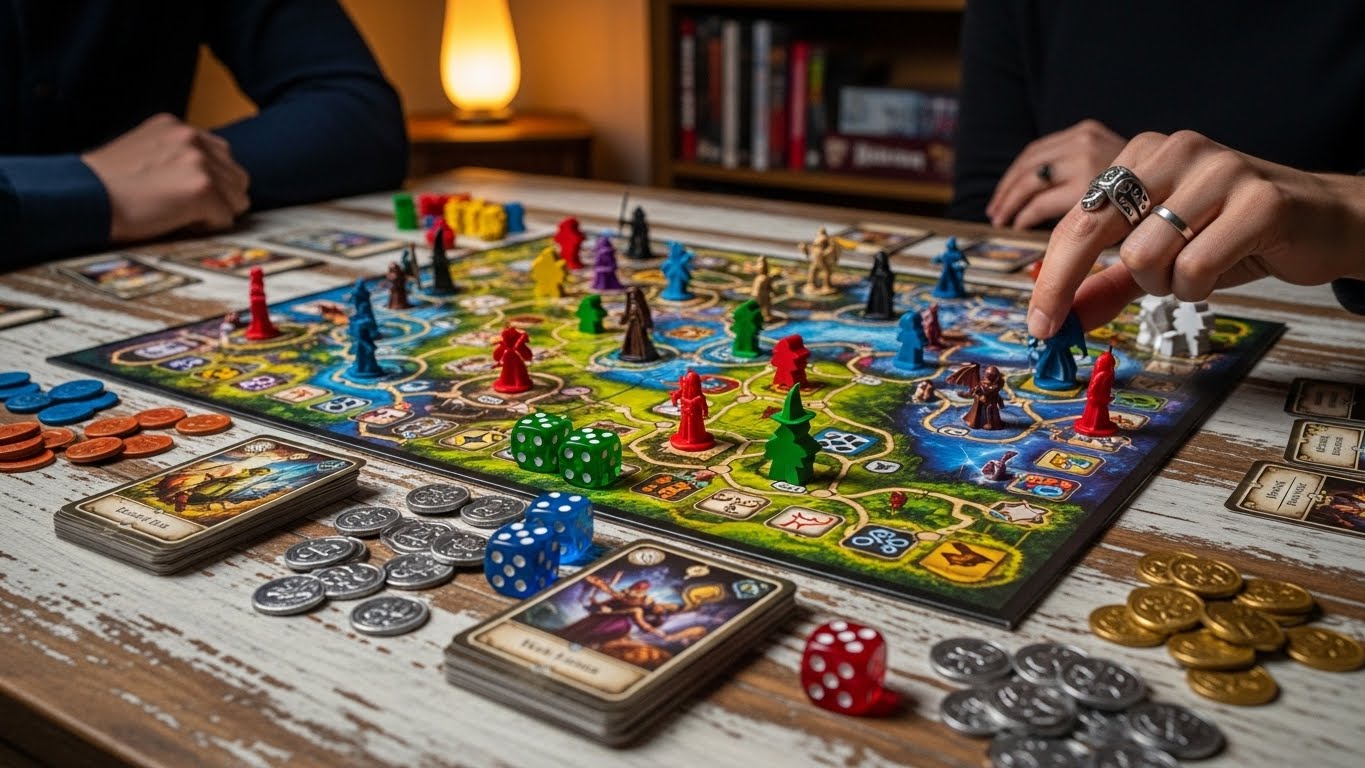
Games have existed in human civilization for thousands of years. Ancient societies enjoyed board games like Senet in Egypt, Go in China, and Mancala across Africa. These early games were not only recreational; they often served educational, strategic, and social purposes. They taught patience, strategic thinking, and social rules while providing entertainment.
Card games, dice games, and early competitive sports followed, evolving into more structured forms. Games were used to strengthen social bonds, celebrate events, and entertain communities. These early experiences laid the foundation for the structured rules, objectives, and mechanics that modern games rely on.
The Rise of Digital Games
The digital era transformed games into immersive and interactive experiences. The 1970s and 1980s saw the emergence of arcade games, where players competed for high scores in titles like Space Invaders, Pac-Man, and Donkey Kong. These games were simple in design but addictive, creating a global gaming culture.
Home consoles such as the Nintendo Entertainment System and Sega Genesis brought games into households, making gaming accessible to a wider audience. Over the decades, consoles evolved with better graphics, complex gameplay mechanics, and immersive narratives. Gaming shifted from short, repetitive challenges to expansive experiences that could tell stories, test skills, and create emotional connections with players.
Games as Storytelling Mediums
Modern games are more than competitions or puzzles; they are a form of storytelling. Role-playing games, adventure games, and open-world experiences immerse players in rich narratives. Players often make choices that impact the story, creating a sense of agency and personal investment.
Stories in games explore themes such as morality, identity, courage, and friendship. Through interactive storytelling, players can experience perspectives and emotions that may differ from their own. This narrative depth elevates games to an art form, where players not only participate but also become co-authors of the journey.
Social Interaction and Gaming Communities
One of the most important aspects of modern gaming is the community it fosters. Multiplayer games connect players worldwide, allowing them to cooperate or compete with others in real-time. Online communities and forums enable players to discuss strategies, share achievements, and form lasting friendships.
Games like MMORPGs, battle royales, and cooperative adventures emphasize teamwork, communication, and shared problem-solving. Even single-player experiences often have communities where fans share walkthroughs, fan art, and theories about game worlds. Gaming, in this way, becomes a bridge that connects people across cultures and backgrounds.
Educational and Cognitive Benefits
Beyond entertainment, games provide significant cognitive and educational benefits. Strategy games improve planning, resource management, and critical thinking skills. Puzzle games enhance problem-solving abilities and attention to detail. Fast-paced action games develop reflexes, hand-eye coordination, and decision-making speed.
Multiplayer games encourage social skills such as teamwork, negotiation, and leadership. Players learn to adapt to changing situations, think creatively, and handle failure constructively. Many educational institutions are also integrating gamified learning into curricula, demonstrating that games can teach while engaging students in interactive ways.
The Popularity of Mobile Gaming
Mobile gaming has expanded the accessibility of games exponentially. Smartphones and tablets allow people to play anytime and anywhere. Casual games, like puzzles and time management challenges, provide quick entertainment during daily routines, while complex mobile titles offer deep narratives and strategy comparable to console games.
The convenience of mobile gaming has broadened the audience, attracting casual players and introducing new demographics to the gaming world. This accessibility also allows people who may not own a console or gaming PC to engage in gaming, demonstrating the universality and inclusivity of digital play.
Esports: Competitive Gaming as a Global Phenomenon
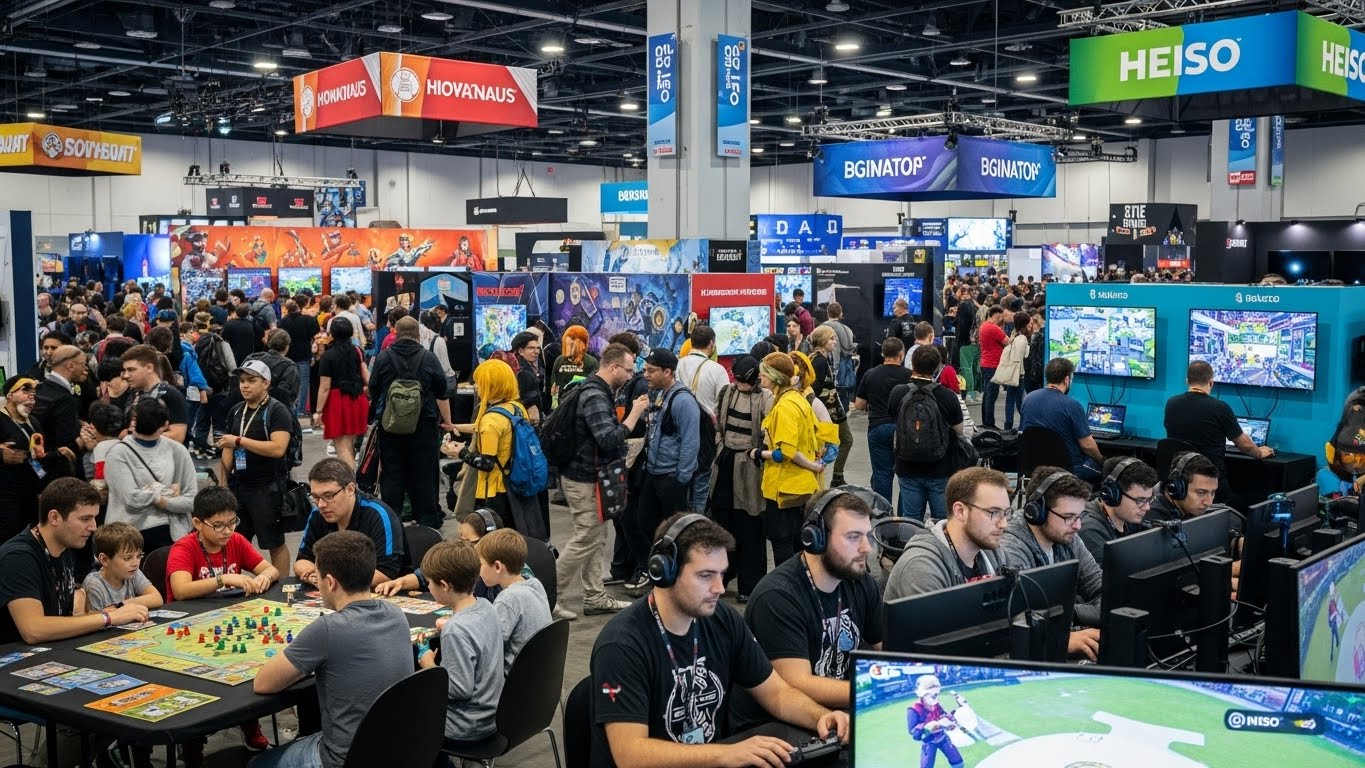
Esports has transformed gaming into a professional and widely recognized industry. Competitive gaming tournaments attract millions of viewers and feature professional players who train for hours each day. Teams, coaches, and analysts now operate in organized structures similar to traditional sports.
Esports demonstrates the skill, strategy, and dedication required to excel in modern gaming. Fans watch competitions with passion, celebrating victories and analyzing strategies. The rise of esports has not only elevated gaming’s cultural status but has also created careers, sponsorships, and global entertainment spectacles.
Games as Creative Outlets
Games are also platforms for creativity. Many titles encourage players to build, modify, or design content. Sandbox games, level editors, and modding communities empower players to create worlds, challenges, and narratives of their own.
This creative aspect transforms players into co-creators, extending the lifespan of games and fostering innovation. Players can share their creations with communities, collaborate on projects, and explore new ideas, demonstrating that gaming is as much about imagination as it is about skill or competition.
Virtual Reality and Immersive Experiences
Virtual reality (VR) has redefined the boundaries of gaming immersion. VR games allow players to step directly into virtual worlds, interacting with environments and characters in a fully first-person perspective. The sense of presence and realism is unmatched, providing emotional and sensory engagement that traditional gaming cannot replicate.
VR is also used beyond entertainment for training, therapy, and education. It allows users to explore scenarios safely, practice skills, and experience environments they may not encounter in real life. As VR technology advances, the potential for transformative gaming experiences continues to grow.
Games and Mental Well-Being
Gaming can positively impact mental health and emotional well-being. It provides relaxation, stress relief, and a sense of accomplishment. Engaging with immersive worlds or completing challenges allows players to disconnect from everyday pressures while exploring creativity and strategy.
Social games foster community, reduce isolation, and encourage communication, while narrative-driven games can offer emotional reflection and empathy. While moderation is important, games serve as valuable tools for entertainment, growth, and mental stimulation.
The Future of Gaming
The future of gaming promises even more innovation. Artificial intelligence, augmented reality, cloud gaming, and procedural generation will make games more immersive and dynamic. Cross-platform play allows players to connect regardless of device, breaking down barriers between console, PC, and mobile gaming.
Interactive narratives, adaptive gameplay, and real-time personalization will make gaming experiences increasingly tailored to individual players. The industry continues to expand, integrating entertainment, learning, creativity, and social interaction into a single evolving medium.
Gaming as a Universal Language
Games transcend borders, cultures, and languages. They are a universal form of entertainment that connects people through shared experiences. Collaboration, competition, and teamwork allow players from different backgrounds to interact meaningfully.
Games reflect cultural values, ideas, and challenges while providing spaces for empathy, understanding, and innovation. They are a medium through which people can communicate, learn, and share joy on a global scale, making gaming a true unifying force in modern society.
Conclusion: Games as a Lifelong Adventure
Gaming has evolved from simple board games to vast digital universes, offering entertainment, education, creativity, and social connection. Modern games engage players intellectually, emotionally, and socially, creating experiences that extend far beyond mere play.
The magic of gaming lies in its ability to adapt, innovate, and connect. Whether on consoles, mobile devices, or virtual reality platforms, games continue to push the boundaries of imagination, strategy, and interaction. They provide an endless horizon of exploration, challenge, and creativity.
Games are more than a pastime; they are a lifelong journey. They entertain, inspire, and unite people worldwide, offering experiences that are as diverse and dynamic as the players themselves. The universe of gaming is vast, and its adventure is only beginning.