gamechampion54
Games have always held a special place in the hearts of people across the globe. Whether it’s the simple joy of tossing a ball around or diving into an intricate, digital universe, gaming is more than just a pastime—it’s an art form, a cultural force, and an avenue for personal connection. From ancient board games to immersive virtual realities, the gaming landscape has evolved in extraordinary ways.
This blog post delves into the world of gaming, examining its rise, its evolution over the years, the impact it has on modern society, and the reasons why it continues to captivate millions of people worldwide.
The Evolution of Gaming: From Simple Play to Immersive Realities
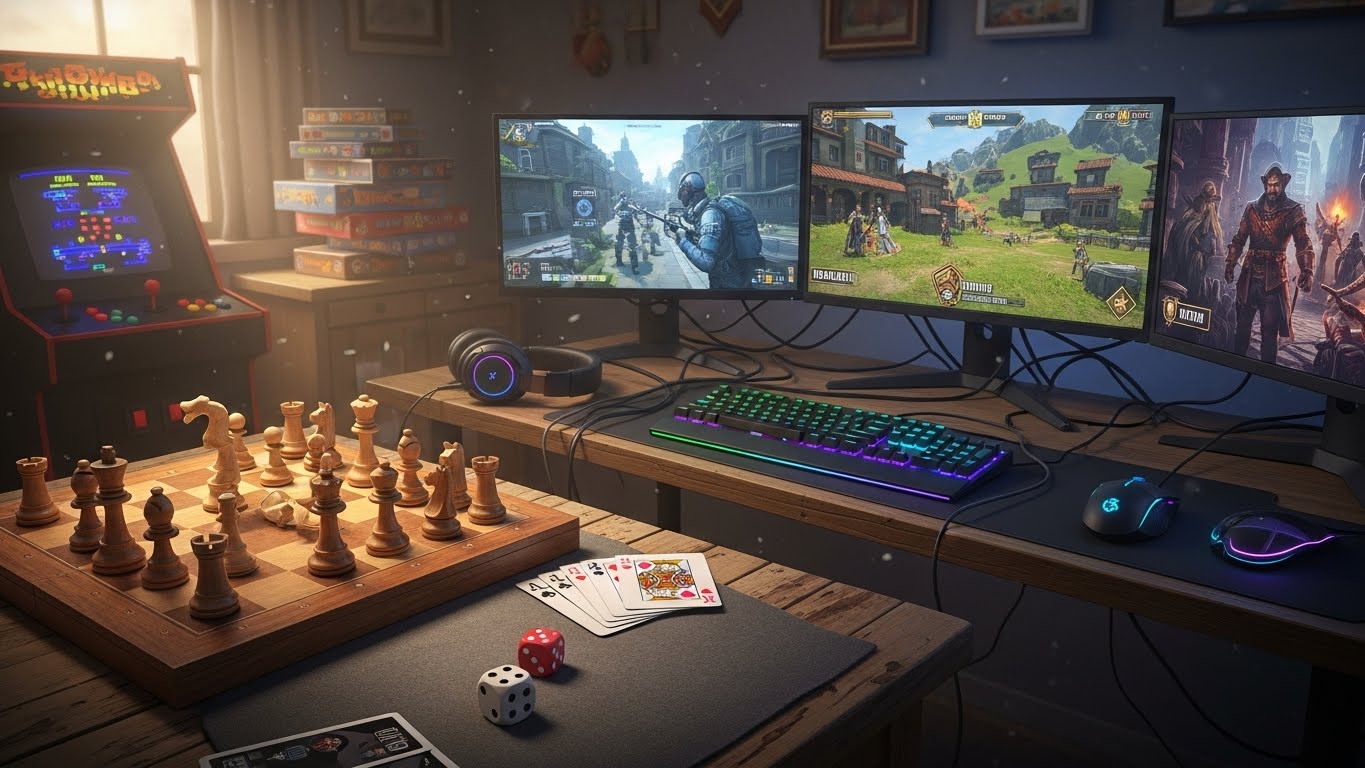
Gaming, in one form or another, has existed for centuries. Early games such as chess, Go, and backgammon were deeply rooted in strategy and human interaction. These games were not just about entertainment; they were about honing skills like critical thinking, problem-solving, and even socializing. With the development of new tools, gaming began to transition into more complex forms of engagement.
The true revolution in gaming came in the 20th century with the advent of video games. The first commercially successful video game, Pong, introduced in 1972, gave rise to a new era of entertainment. The simplicity of these early arcade games contrasted sharply with the complex digital worlds we experience today, but they laid the foundation for future technological advancements.
As technology advanced, so did the complexity of games. In the 1980s and 1990s, games like Super Mario Bros., The Legend of Zelda, and Street Fighter brought a new level of interactivity, storytelling, and graphics. With the emergence of home consoles like the Nintendo Entertainment System (NES) and Sega Genesis, gaming became more accessible to households around the world, forever changing how we spend our leisure time.
The biggest shift came with the rise of 3D graphics, interactive narratives, and open-world environments in the late 1990s and 2000s. Final Fantasy VII, The Elder Scrolls III: Morrowind, and Grand Theft Auto III offered players vast, complex worlds to explore, setting the stage for today’s immersive experiences.
The Technological Revolution: How Innovation Transformed Games
As technology improved, so did the sophistication of gaming. The leap from 2D to 3D graphics in the mid-90s marked a dramatic shift, but it was the introduction of high-definition graphics and online play that really took games to the next level.
The PlayStation 2 and Xbox introduced consoles with advanced graphical capabilities, enabling games like Halo 2 and Gran Turismo 3 to captivate players with their stunning visuals and immersive worlds. The move to high-definition gaming brought a level of realism that allowed developers to create environments that felt lifelike.
But the biggest breakthrough came with the introduction of online gaming. Games like World of Warcraft, Halo 3, and Call of Duty: Modern Warfare set the stage for the online multiplayer experiences we take for granted today. The ability to connect with players around the world revolutionized gaming, turning it into a global social phenomenon. Players could now team up with friends or compete against strangers in real-time, creating a sense of community and connection that transcended geographical boundaries.
The evolution of gaming didn’t stop at just console and PC gaming. Mobile gaming has exploded in popularity with the widespread adoption of smartphones and tablets. Games like Angry Birds, Candy Crush, and Pokémon Go have brought gaming to the palms of millions of players, making gaming more accessible and ubiquitous than ever before. The free-to-play model, with its in-app purchases and microtransactions, has created a whole new economy within the gaming world.
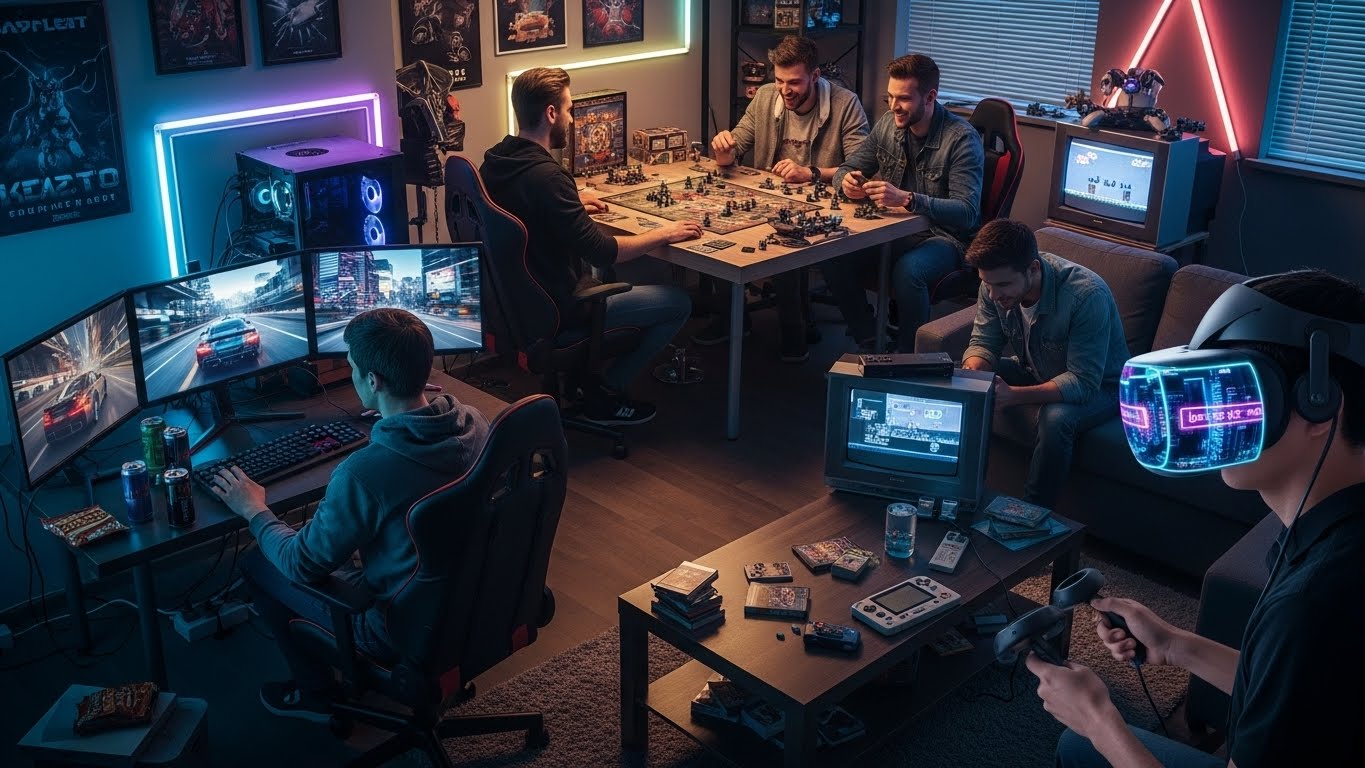
In recent years, virtual reality (VR) and augmented reality (AR) have emerged as the next frontier in gaming. Devices like the Oculus Rift, PlayStation VR, and HTC Vive have brought the dream of fully immersive gaming closer to reality. VR gaming allows players to physically step into digital worlds, creating experiences that feel remarkably lifelike. The potential for VR to revolutionize gaming—and even reshape industries like education, healthcare, and entertainment—is enormous.
The Power of Storytelling: How Games Became Interactive Narratives
One of the most compelling aspects of modern gaming is the way it has integrated storytelling. Early video games were primarily concerned with gameplay—getting the highest score, completing levels, or defeating enemies. However, as technology improved, game developers realized that they could merge gameplay with complex narratives to create deeply engaging experiences.
In the early 2000s, games like Halo, Final Fantasy X, and The Elder Scrolls IV: Oblivion pushed the boundaries of storytelling in gaming, featuring richly detailed worlds, intricate plots, and complex characters. These games introduced the concept of the open-world RPG, where players could explore vast environments, complete side quests, and shape the story based on their choices.
The most significant change in gaming narrative came with the emergence of choice-driven games. Titles like The Walking Dead by Telltale Games and Detroit: Become Human by Quantic Dream presented players with difficult moral choices that had a lasting impact on the story. Unlike traditional linear storytelling, these games allowed players to influence the direction of the plot, making them feel more connected to the narrative. The concept of “player agency” became a defining feature of modern gaming.
Another breakthrough in storytelling came in the form of cinematic games like The Last of Us and Uncharted. These games merged traditional gameplay with cinematic storytelling, creating an experience that often felt more like playing through a movie. The seamless blending of cut-scenes and interactive gameplay set new standards for how stories can be told in the medium of gaming. The emotional depth and character development in games like The Last of Us rival that of the best films, demonstrating the power of gaming to evoke strong emotional reactions.
The Role of Games in Socializing and Building Communities
While gaming has always been about personal enjoyment, one of the key shifts in the modern gaming landscape has been the rise of social gaming. Online multiplayer games, esports, and streaming platforms have transformed gaming from a solitary activity into a communal one.
Games like Fortnite, Apex Legends, and Minecraft have built massive online communities where players from all over the world can connect, collaborate, and compete. Whether it’s working together to build a structure in Minecraft or teaming up for a battle royale in Fortnite, these games encourage cooperation, teamwork, and social interaction.
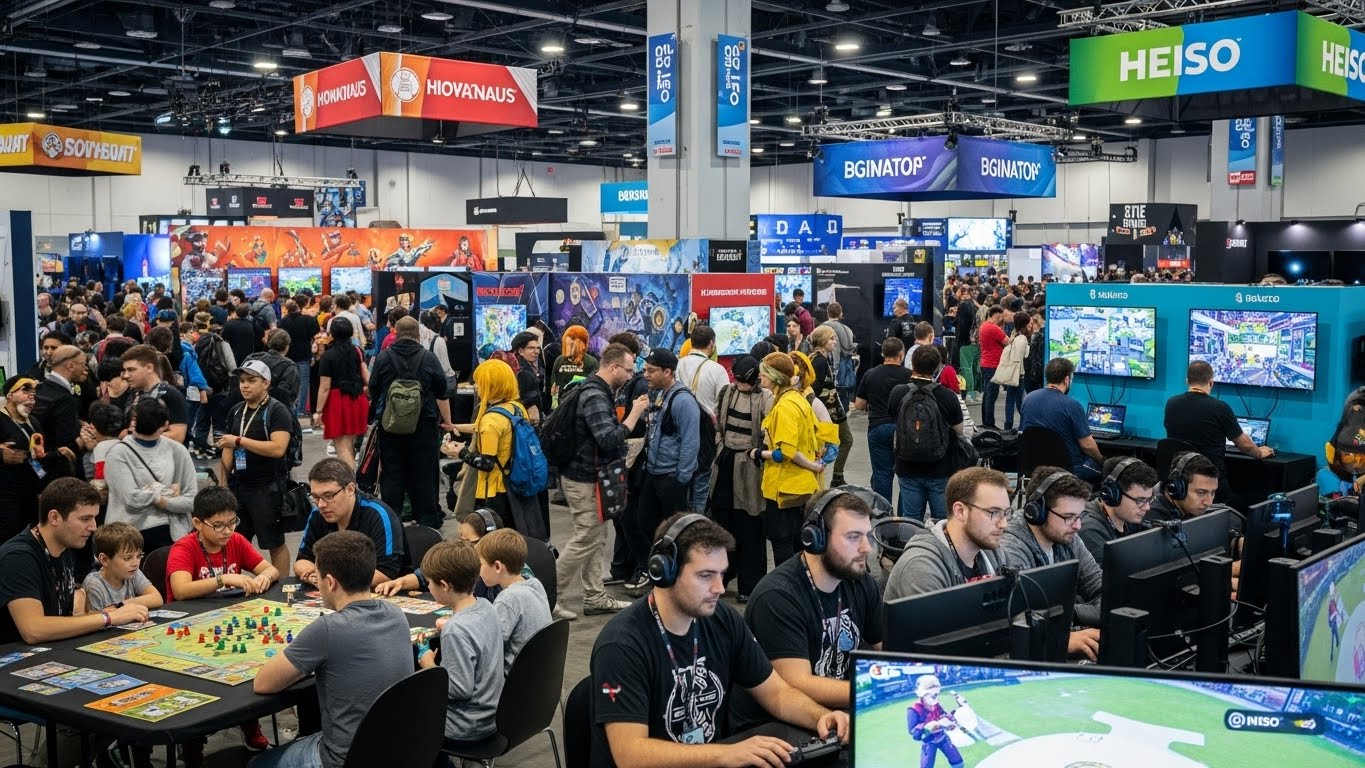
Esports, in particular, has turned gaming into a professional pursuit. Competitive gaming has become a billion-dollar industry, with professional players, teams, and tournaments drawing huge audiences. Games like League of Legends, Dota 2, and Counter-Strike: Global Offensive have developed massive fan bases, and tournaments like The International and the League of Legends World Championship have become major cultural events, with millions of viewers tuning in to watch the action unfold.
Streaming platforms like Twitch and YouTube Gaming have also played a significant role in building communities around gaming. Players can live-stream their gameplay, allowing fans to watch, interact with them, and become part of the experience. This has created a new breed of gaming celebrities and influencers who have a direct connection to their audience. Gamers are no longer just playing for themselves—they’re playing for their fans and communities, creating a sense of shared experience that brings people together.
Gaming and Its Cultural Impact
Gaming has evolved into more than just a form of entertainment. It has become a cultural force that influences music, fashion, and even politics. Iconic game characters like Mario, Sonic, and Lara Croft have transcended the digital world to become part of popular culture, appearing in commercials, movies, and even music videos.
Video games also have the power to shape societal conversations. Games like Spec Ops: The Line, This War of Mine, and Hellblade: Senua’s Sacrifice tackle difficult issues like PTSD, war, and mental illness, using the medium of gaming to explore topics that are often overlooked in mainstream media. These games provide a unique opportunity to engage with complex issues in a way that resonates with players on a deeply personal level.
In addition, gaming has opened new avenues for education. Games like Civilization, Kerbal Space Program, and Portal have demonstrated the educational potential of gaming, blending entertainment with learning. Game-based learning is becoming increasingly popular, with schools and educators using games to teach everything from history to problem-solving and critical thinking.
The Future of Gaming: What’s Next?
The future of gaming is incredibly exciting. As technology continues to evolve, we can expect gaming to become even more immersive, accessible, and innovative. Virtual reality and augmented reality will likely become more mainstream, offering fully immersive experiences that bring players into the heart of the action.
Artificial intelligence (AI) is also poised to revolutionize gaming. AI-driven characters could become more dynamic and responsive, offering players unique, personalized experiences. Games might adapt to player behavior, adjusting difficulty levels or even altering storylines based on choices made in the game.
Cloud gaming is another exciting development on the horizon. With the rise of services like Google Stadia and Xbox Cloud Gaming, players will no longer need powerful hardware to enjoy high-quality games. Games will be streamed directly to devices, allowing for instant access to titles without the need for expensive consoles or PCs.
Finally, the social aspect of gaming will continue to grow. As esports and live streaming become even more integrated into our daily lives, gaming will increasingly become a shared experience. The lines between gaming, social media, and content creation will continue to blur, creating new opportunities for connection, entertainment, and creativity.