gamechampion54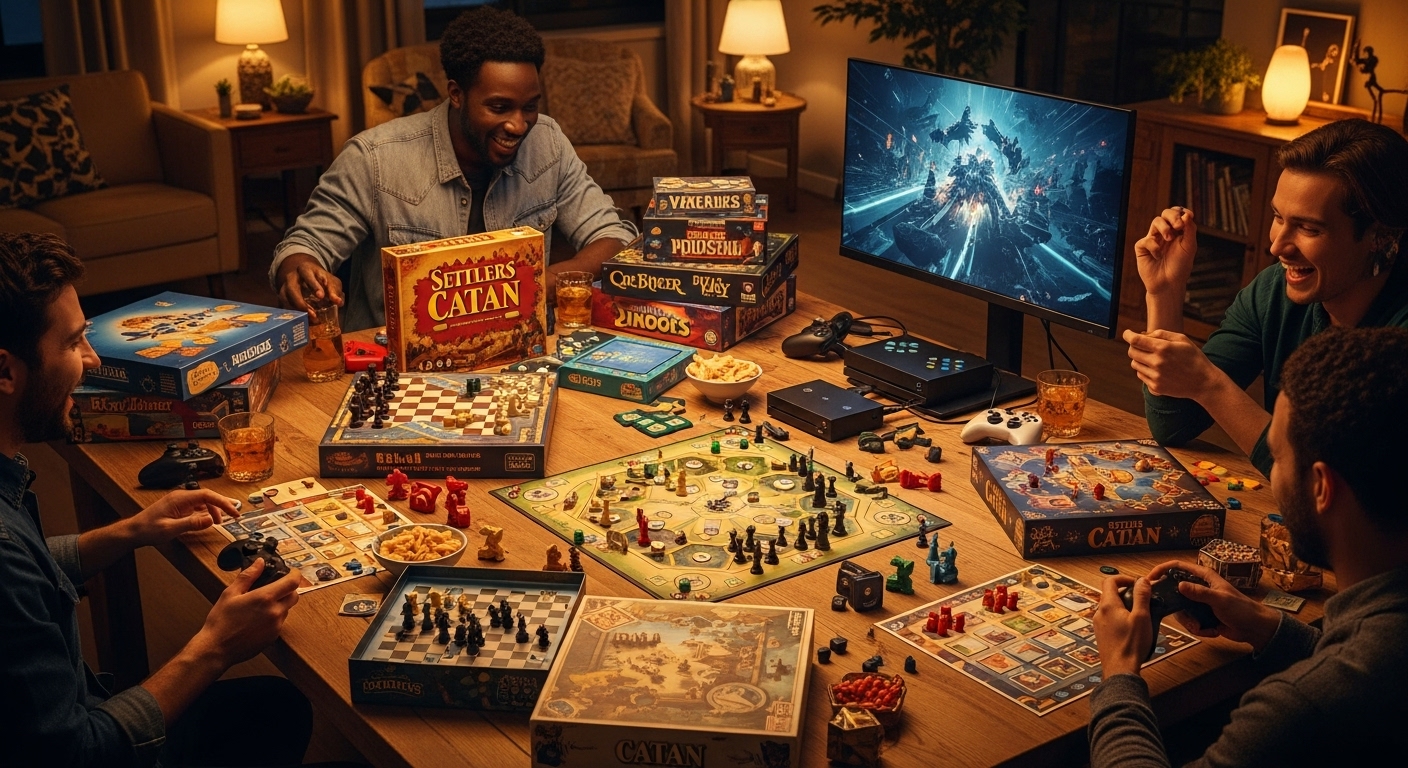
Introduction: The Universal Language of Play
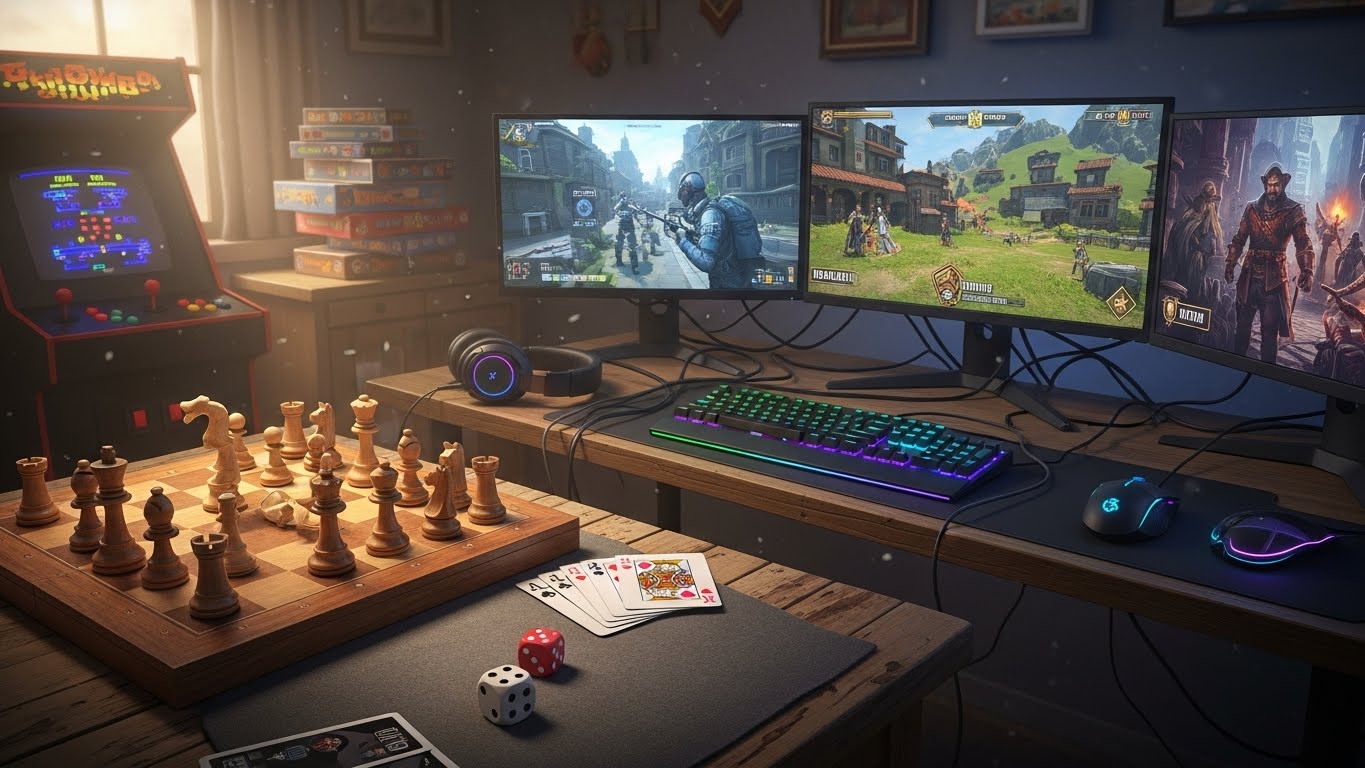
Games are more than just a way to pass time; they are a universal language that transcends age, culture, and geography. Whether it’s a group of friends gathered around a board game, a child playing on a smartphone, or millions of players competing online, gaming has become a central part of human life. From ancient civilizations to today’s digital era, games have reflected creativity, innovation, and social connection. This blog explores the fascinating journey of games, their psychological impact, cultural importance, and how they continue to evolve with technology.
The Ancient Origins of Games
The concept of games is as old as civilization itself. Archaeological findings show that humans have been playing games for thousands of years. Ancient Egyptians enjoyed Senet, one of the earliest known board games, around 3100 BC. The game was not only for entertainment but also symbolized the journey of the soul through the afterlife. Similarly, in ancient China, Go was played over 2,500 years ago and remains one of the most complex strategy games ever created. These early games reveal that play was more than amusement—it was a way to learn, bond, and express cultural values.
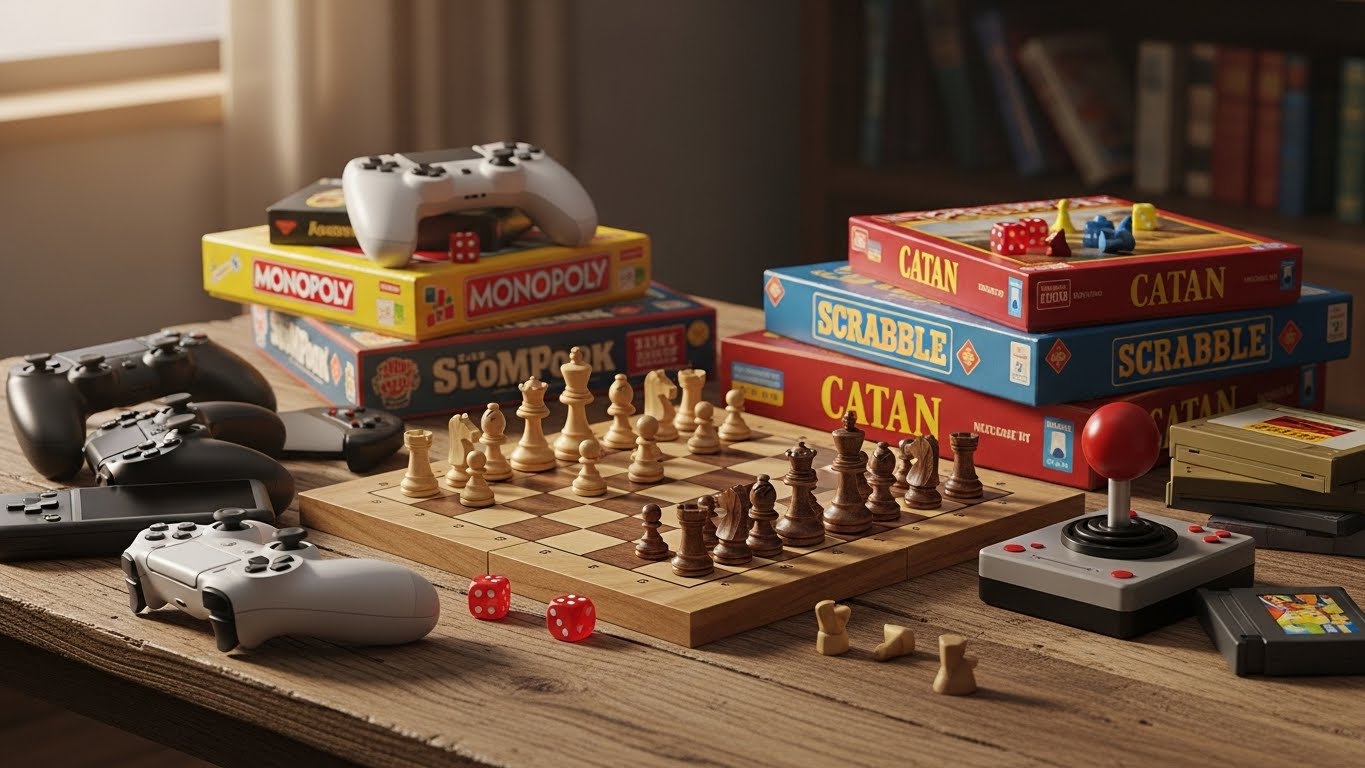
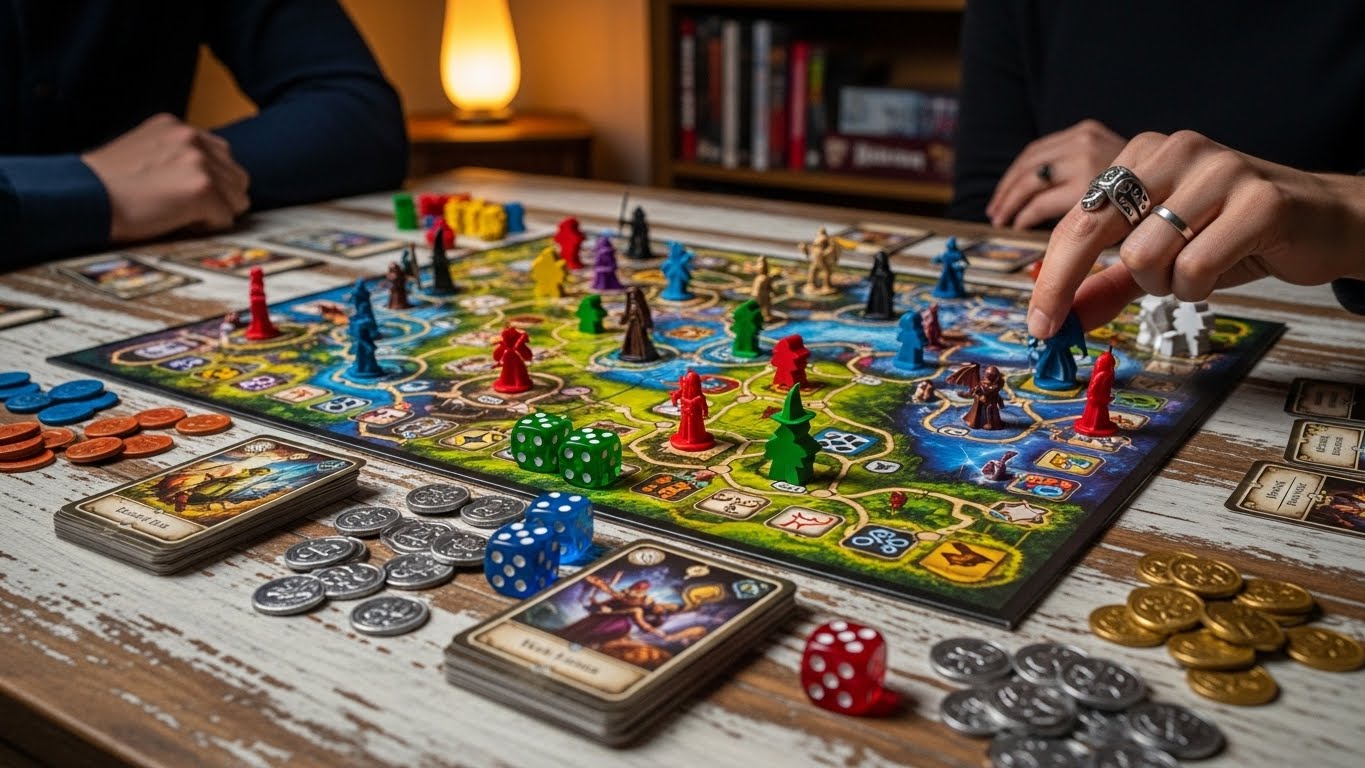
As centuries passed, societies around the world created their own forms of entertainment. In India, games like Pachisi, the ancestor of modern Ludo, were played by royalty and commoners alike. The Greeks introduced athletic games such as the Olympic competitions, emphasizing physical skill and honor. The Middle Ages gave birth to card games and early forms of chess, blending strategy with luck. By the 18th and 19th centuries, board games became household activities, teaching moral lessons and strategic thinking.
The Birth of Modern Gaming
The 20th century marked a turning point in gaming history. The invention of computers and electronic devices revolutionized how people played. In the early 1970s, video games emerged as a new form of entertainment. The release of Pong, a simple tennis-like game, sparked public fascination with electronic play. Soon after, arcade machines became a global phenomenon, bringing titles like Space Invaders and Pac-Man into the mainstream.
The 1980s and 1990s were the golden age of gaming. Home consoles such as the Nintendo Entertainment System and the Sega Genesis brought games into living rooms around the world. Iconic characters like Mario, Sonic, and Link became cultural symbols, representing joy, adventure, and imagination. The rise of personal computers also expanded gaming opportunities, introducing genres like role-playing, simulation, and strategy. This era laid the foundation for gaming as both an art form and a storytelling medium.
The Digital Revolution: From Consoles to the Cloud
As technology advanced, so did the gaming experience. The early 2000s saw the rise of high-definition graphics, online multiplayer systems, and complex game design. Players could now explore vast open worlds, build empires, and connect with millions of others through the internet. Online platforms allowed gamers from different parts of the globe to interact, compete, and collaborate.
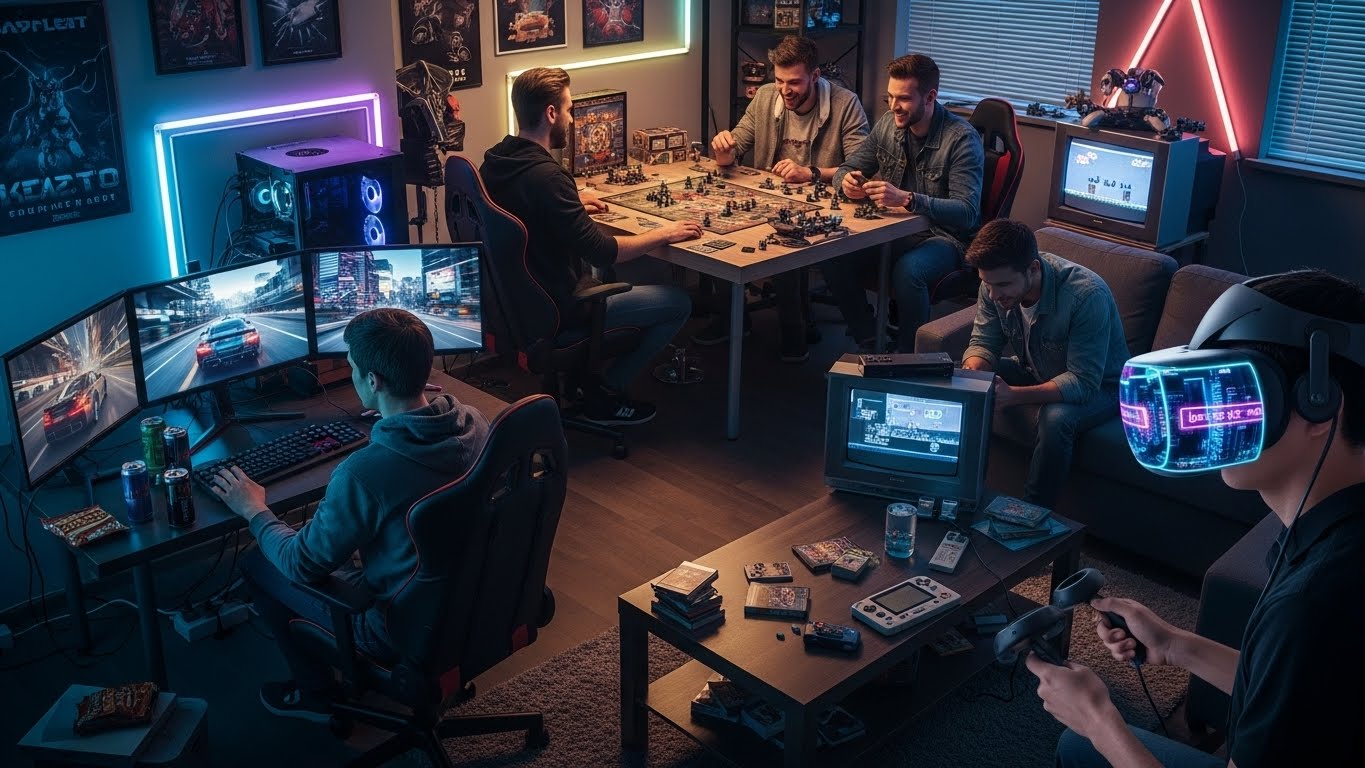
Today, gaming extends far beyond traditional consoles. Cloud gaming services, virtual reality (VR), and augmented reality (AR) have opened new dimensions of play. These innovations eliminate the need for powerful hardware, allowing players to stream games from any device. VR headsets transport players into fully immersive digital worlds, while AR games merge the physical and digital realms, encouraging exploration and real-world interaction.
Mobile Gaming: Entertainment in Your Pocket
The rise of smartphones has made gaming more accessible than ever. Mobile games cater to all types of players, from casual puzzle enthusiasts to competitive strategists. Titles like Candy Crush and Clash of Clans have captured global audiences with their simple yet addictive gameplay. Unlike traditional gaming, mobile games are easy to access, requiring no specialized equipment.
Mobile gaming’s success lies in its convenience and creativity. Developers have learned to craft engaging experiences that fit into people’s daily routines. Whether waiting in line or relaxing at home, players can enjoy quick bursts of entertainment. Mobile games have also introduced millions of new players to the gaming world, breaking barriers of age and experience.
The Psychological Benefits of Gaming
Contrary to the old stereotype that games are a waste of time, research shows that gaming offers significant mental and emotional benefits. Many games require problem-solving, strategic thinking, and decision-making, which strengthen cognitive skills. Puzzle games enhance memory and pattern recognition, while action games improve hand-eye coordination and reaction time.
Beyond intellectual stimulation, games can also have therapeutic effects. Immersive play provides an escape from daily stress and helps players relax. Games that emphasize creativity, such as Minecraft, allow players to express themselves freely and develop imagination. Additionally, cooperative and team-based games foster communication and collaboration, improving social skills.
Games are also being used in therapy and education. Gamified learning techniques help students grasp complex subjects through play, making education more interactive and enjoyable. Similarly, psychologists and medical professionals use games to help patients with anxiety, depression, or motor skill rehabilitation.
The Rise of Esports and Competitive Gaming
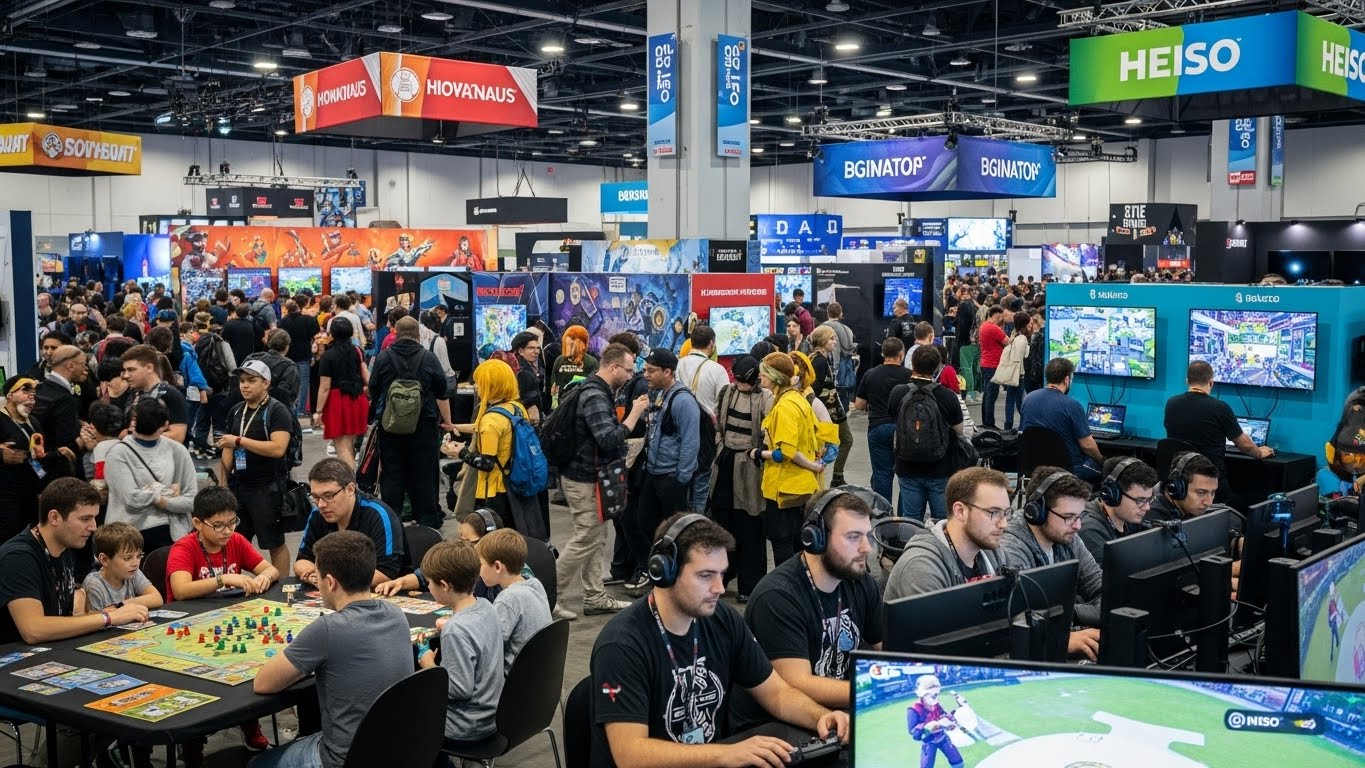
In recent years, competitive gaming—known as esports—has grown into a global phenomenon. What began as small tournaments among friends has evolved into an industry worth billions. Professional gamers compete in arenas filled with spectators, while millions more watch live broadcasts from around the world. Games like League of Legends, Dota 2, and Fortnite have established themselves as competitive platforms that attract both players and fans alike.
Esports is not just about competition; it represents teamwork, dedication, and strategy. Players spend countless hours practicing, studying opponents, and refining their skills. Just like traditional athletes, they face intense pressure and require mental resilience. The rise of streaming platforms has also turned gamers into influencers, inspiring a new generation to pursue gaming careers.
The success of esports has blurred the line between entertainment and sport. Universities now offer scholarships for esports athletes, and major companies invest heavily in sponsorships and events. This shift demonstrates how gaming has moved from the margins to mainstream recognition.
Games as Cultural Art and Storytelling
Games are not only a form of play—they are also an art form. Modern games combine visual design, music, writing, and interactive storytelling to create experiences that rival movies and literature. Titles like The Last of Us, Red Dead Redemption 2, and Journey showcase deep emotional narratives, complex characters, and moral dilemmas that resonate with players.
Through storytelling, games can explore themes like love, loss, identity, and morality in ways that other media cannot. Because players participate actively in the story, they experience empathy and engagement on a personal level. This interactivity makes games one of the most powerful storytelling tools of the digital age.
Furthermore, games often reflect cultural values and historical moments. For example, strategy games based on real events allow players to understand history by participating in it. Games have become a mirror of human creativity, culture, and imagination, influencing how people think and feel.
The Social Power of Games
One of the most beautiful aspects of gaming is its ability to bring people together. In a world where social isolation is increasing, games offer a platform for connection. Multiplayer and online games allow friends to stay in touch, families to bond, and strangers to become teammates.
Social interaction in games goes beyond competition. Cooperative gameplay encourages teamwork, empathy, and communication. Players often form lifelong friendships with people they’ve never met in person. Virtual communities built around games provide a sense of belonging and identity, proving that gaming can unite rather than divide.
The Future of Games: Innovation Beyond Imagination
As technology continues to advance, the future of gaming looks limitless. Artificial intelligence is transforming how games are developed and played. Smarter in-game characters, adaptive storylines, and personalized experiences are becoming the norm. Meanwhile, virtual and augmented reality are creating new dimensions of immersion, allowing players to physically interact with digital worlds.
The next frontier may involve games that integrate directly with artificial intelligence, allowing each player’s experience to be truly unique. Imagine a game that learns your habits, preferences, and emotions, adjusting its challenges and story to fit your personality. This level of personalization could redefine entertainment entirely.
Additionally, the line between gaming and reality is blurring with the rise of the metaverse—a digital universe where players can work, socialize, and play seamlessly. In this virtual space, games will serve as both entertainment and a form of digital living. The potential for innovation in gaming is truly endless.
Conclusion: The Infinite Power of Play
Games have come a long way from ancient stones and wooden boards to immersive virtual worlds powered by advanced technology. What remains constant is the human need to play. Games challenge our minds, connect our hearts, and push the boundaries of imagination. They are not merely a pastime but a reflection of who we are—creative, curious, and driven by the joy of discovery.
As we move into the future, games will continue to shape how we learn, communicate, and express ourselves. They are no longer confined to screens or tables; they are part of our culture, our education, and our dreams. The world of games is endless, and with every new innovation, we take one step closer to unlocking the infinite power of play.