gamechampion54
Introduction: Why We Play
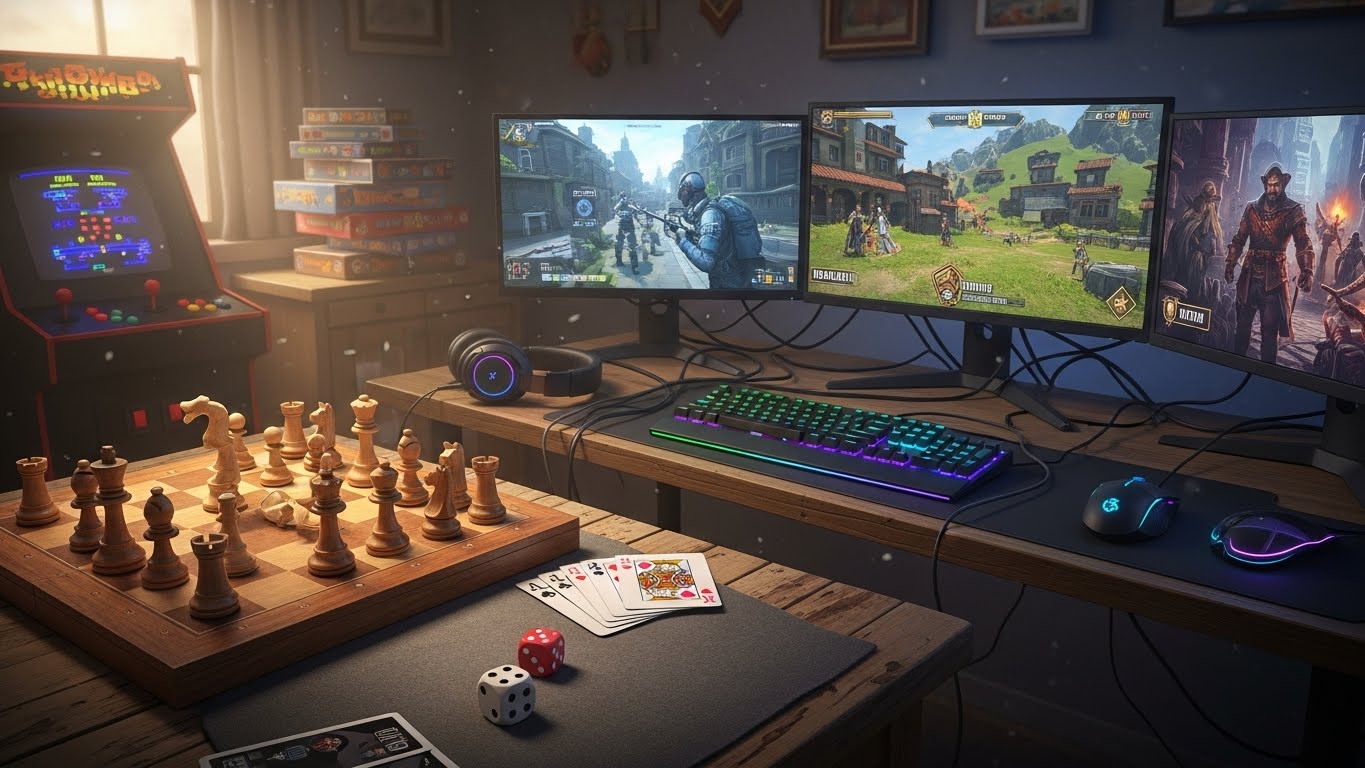
Games are deeply ingrained in human culture. From ancient board games to modern video games, play has always been a central part of how people interact, learn, and grow. Whether it’s a strategic battle on a chessboard, a social experience in a mobile app, or an immersive journey through a video game world, games provide more than just entertainment—they teach us, challenge us, and connect us. In this blog, we’ll explore how games have evolved over time, their psychological and social benefits, and how they continue to shape both our personal lives and the larger cultural landscape.
The Evolution of Games: From Ancient Fun to Digital Realms
Games have existed for millennia, dating back to ancient civilizations where games were often used for more than just leisure. They served as tools for education, strategy, and even spiritual growth. The ancient Egyptians played a game called Senet, which was believed to have been a form of divination, while Go, originating in China, has been a revered game for over 2,500 years, symbolizing intellectual prowess.
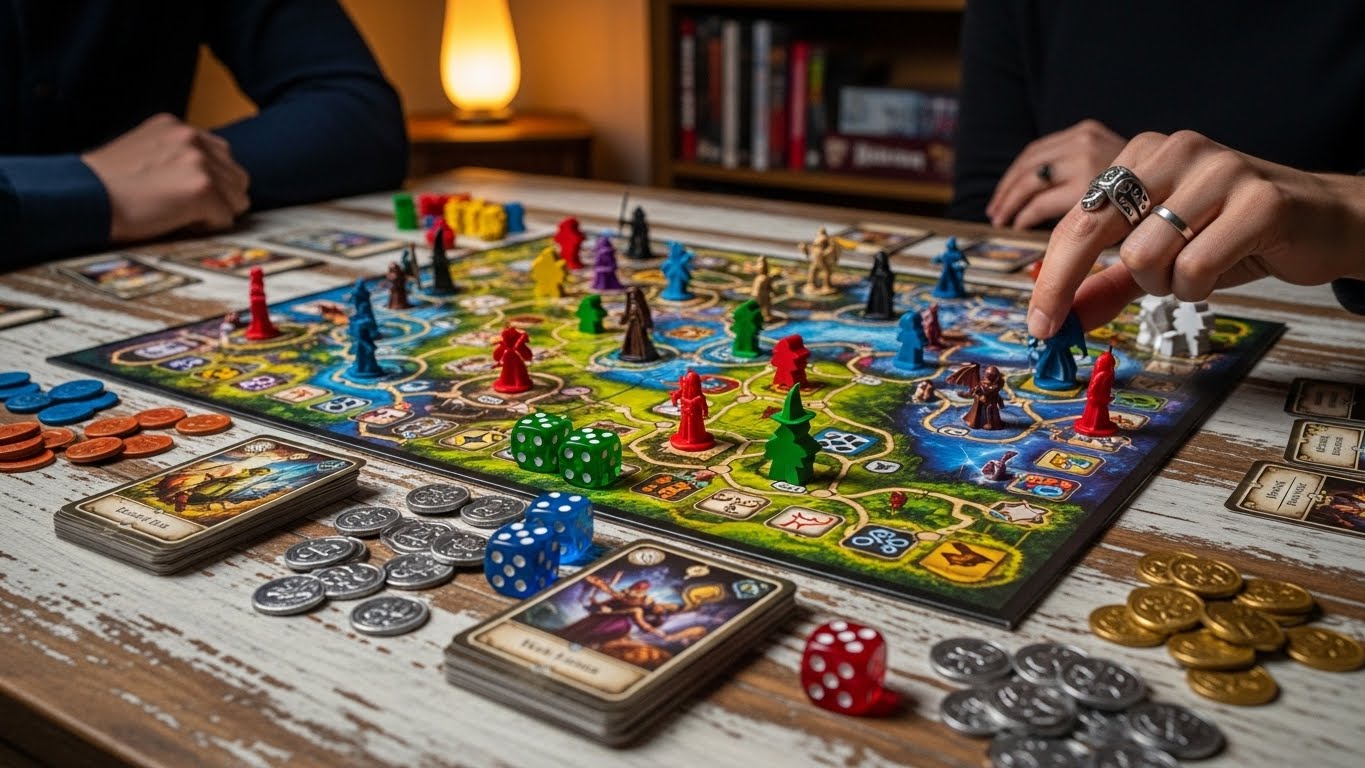
As cultures developed, so did their games. The Middle Ages saw the rise of card games, and by the 18th century, the modern versions of board games began to take shape. Chess, a game that combines strategy, skill, and intellect, gained prominence and became a symbol of high culture and thought. Fast forward to the 20th century, and games underwent a monumental shift with the invention of video games.
The introduction of arcade games in the 1970s, such as Pong and Space Invaders, marked the dawn of digital gaming. These early games, simple in their design, hinted at the immense potential for interactive entertainment. However, it wasn’t until the 1980s and 1990s with the advent of home consoles like the Nintendo Entertainment System and PlayStation that gaming became a global cultural phenomenon, forever altering the entertainment landscape.
The Rise of Video Games: A New Era of Play
The 1980s and 1990s ushered in the golden age of video gaming. Home consoles and personal computers enabled people to play at home, away from the arcades. Iconic games like Super Mario Bros., The Legend of Zelda, Sonic the Hedgehog, and Final Fantasy became household names, with characters that are still recognized worldwide today.
At the same time, video game graphics evolved rapidly, moving from pixelated 2D worlds to fully immersive 3D environments. This period also saw the introduction of complex storylines, deep characters, and expansive game worlds, which elevated games from mere entertainment to interactive narratives. Players were no longer just controlling characters—they were embarking on adventures, solving puzzles, and making choices that would affect the outcome of the story.
The influence of video games expanded beyond entertainment. Games began to incorporate elements of education, as developers realized their potential as tools for learning. Titles such as Oregon Trail and SimCity taught players about history, economics, and urban planning. These educational games proved that gaming could be both fun and informative, reshaping how games were perceived.
The Social Aspect of Games: More Than Just Solo Play
While many games were initially designed for single-player experiences, the rise of multiplayer gaming introduced a new dimension to the world of play. With the advent of online gaming in the late 1990s and early 2000s, players could now connect with others around the world in real-time. Multiplayer games like World of Warcraft, Counter-Strike, and Halo allowed players to team up, compete, and communicate, creating virtual communities that transcended geographical boundaries.
Online gaming gave rise to a new social phenomenon, where players from different countries and cultures could meet and form friendships, alliances, and rivalries. This sense of global community fostered by games was revolutionary, as it connected people through a shared love of play. It also opened the door to the professional gaming scene, with esports becoming a multi-billion-dollar industry, drawing millions of viewers to competitive tournaments.
Moreover, social gaming platforms, such as Facebook and Steam, have made gaming a more communal activity. Games like FarmVille and Words with Friends brought casual gaming to the forefront, allowing players to engage with friends, family, and strangers alike. Social gaming has brought together people who might not otherwise have played traditional video games, further cementing the role of games as a form of social interaction.
The Psychological and Cognitive Benefits of Gaming
Beyond entertainment and socialization, games also provide significant psychological and cognitive benefits. Studies have shown that playing video games can improve cognitive functions such as memory, attention, and problem-solving skills. Puzzle games like Tetris, strategy games like Starcraft, and role-playing games like The Elder Scrolls all require critical thinking, planning, and adaptation, which can enhance cognitive flexibility and mental agility.
In addition to cognitive benefits, gaming has also been shown to have emotional and therapeutic advantages. Many people turn to video games as a form of stress relief, as immersive experiences offer an escape from everyday pressures. Games provide players with a sense of accomplishment and reward, which can improve mood and provide a sense of achievement. For some, gaming becomes a way to unwind after a long day or to cope with anxiety, depression, and other mental health challenges.
Moreover, games that focus on mindfulness and relaxation, such as Animal Crossing or Journey, provide a calming experience that can help reduce stress levels. These games promote positive emotional states and offer players a peaceful refuge, contrasting the more intense, action-packed experiences found in many other genres.
Mobile Gaming: Accessibility and Innovation at Your Fingertips
The rise of smartphones and tablets has revolutionized the gaming landscape in recent years, making gaming more accessible than ever before. With millions of people owning smartphones, mobile games have become a dominant force in the gaming industry. Games like Candy Crush Saga, Clash Royale, and Pokémon GO have captivated players with their accessibility, convenience, and engaging gameplay mechanics.
Mobile games are designed to be easy to pick up and play, making them ideal for quick gaming sessions on the go. Whether it’s playing a round of Angry Birds while waiting in line or participating in an online battle in Clash of Clans during a commute, mobile gaming fits seamlessly into modern lifestyles. These games are often free-to-play, with in-app purchases allowing developers to monetize their products without alienating players who can’t afford to spend money on the game.
Mobile gaming has also fostered a new generation of indie developers who are able to create and distribute their games without the need for large publishers. This democratization of game development has led to the rise of some truly innovative and unique titles, such as Monument Valley and Flappy Bird, which have gained widespread popularity and critical acclaim.
Esports: Competitive Play for Glory and Profit
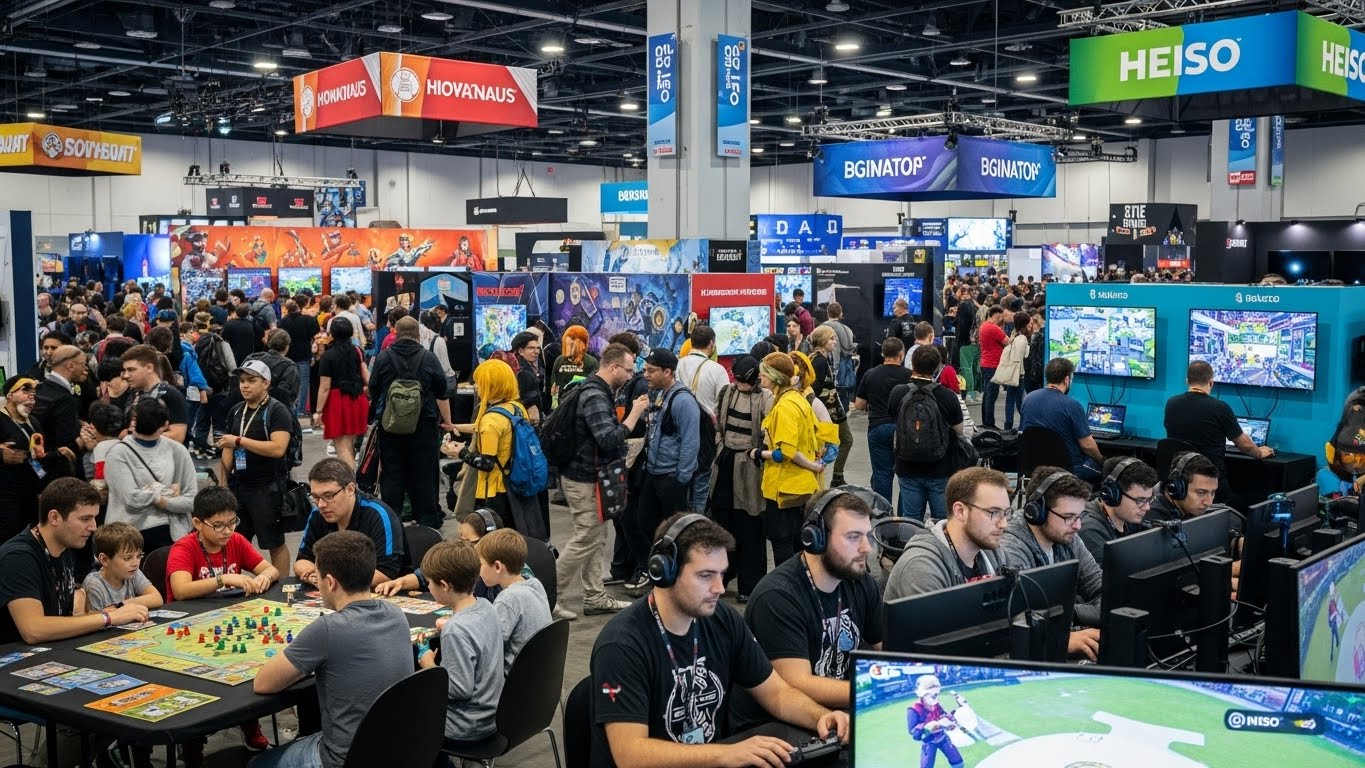
One of the most significant developments in the gaming world over the past decade has been the rise of esports. What was once considered a hobby or niche interest has transformed into a global industry. Competitive gaming tournaments, such as those for League of Legends, Dota 2, and Fortnite, now fill arenas and stadiums around the world, attracting millions of viewers online and in person.
Esports has become a legitimate profession for many gamers, with top players earning substantial salaries through sponsorships, prize money, and streaming. Streaming platforms like Twitch and YouTube Gaming have allowed gamers to build massive followings, while companies and brands have embraced esports as a valuable marketing tool. As the industry continues to grow, esports is on track to become as mainstream as traditional sports, with its own leagues, teams, and fanbase.
In addition to professional esports, the rise of casual competitive games has also had a significant impact. Titles like Fortnite and PUBG have made competitive gaming accessible to casual players, with battle royale formats allowing anyone to compete and win. This has further democratized gaming, enabling players of all skill levels to engage in competitive play and experience the thrill of victory.
The Future of Gaming: Innovation and Beyond
As technology continues to advance, the future of gaming holds exciting possibilities. Virtual reality (VR) and augmented reality (AR) are at the forefront of innovation, offering players new ways to experience games. VR provides fully immersive experiences, placing players inside digital worlds where they can interact with their environment in a way that feels natural. Games like Beat Saber and Half-Life: Alyx showcase the potential of VR to create truly unique and engaging experiences.
AR, on the other hand, blends the virtual world with the real one, as seen in games like Pokémon GO. As AR technology improves, we can expect more games that encourage players to explore their physical surroundings while interacting with digital elements. This merging of the digital and physical worlds has the potential to revolutionize gaming, making it an even more integrated part of everyday life.
In addition, cloud gaming services like Google Stadia and Xbox Cloud Gaming are making it possible for players to stream games without needing powerful hardware. This could significantly lower the barrier to entry for gaming, allowing anyone with a stable internet connection to access high-quality gaming experiences from their smartphones, tablets, or PCs.
Conclusion: The Enduring Impact of Games
Games have come a long way since their humble beginnings, and their influence on our lives has only grown stronger. From their origins in ancient times to their role in shaping modern digital culture, games continue to provide a valuable means of entertainment, education, and socialization. As technology evolves, the possibilities for gaming are virtually limitless, with new forms of play emerging to captivate and engage players in fresh, innovative ways.