gamechampion54
Introduction
Games, in all their various forms, have always been an essential part of human culture. From ancient board games to the most advanced virtual experiences, the act of playing has shaped our social, emotional, and intellectual development. Today, games have grown into an enormous global industry, blending entertainment, education, technology, and social interaction in ways previously unimaginable. Whether they are played on a smartphone, a console, or a computer, games provide a platform for creativity, competition, and exploration.
This blog takes a deep dive into the world of games—exploring their origins, their evolution into digital formats, the impact they have on our culture, and the ever-expanding possibilities that games offer. By examining the different facets of gaming, we can understand why it’s more than just a form of entertainment—it’s a cultural phenomenon that is shaping our world.
The Origins of Games: From Ancient Traditions to Modern Play
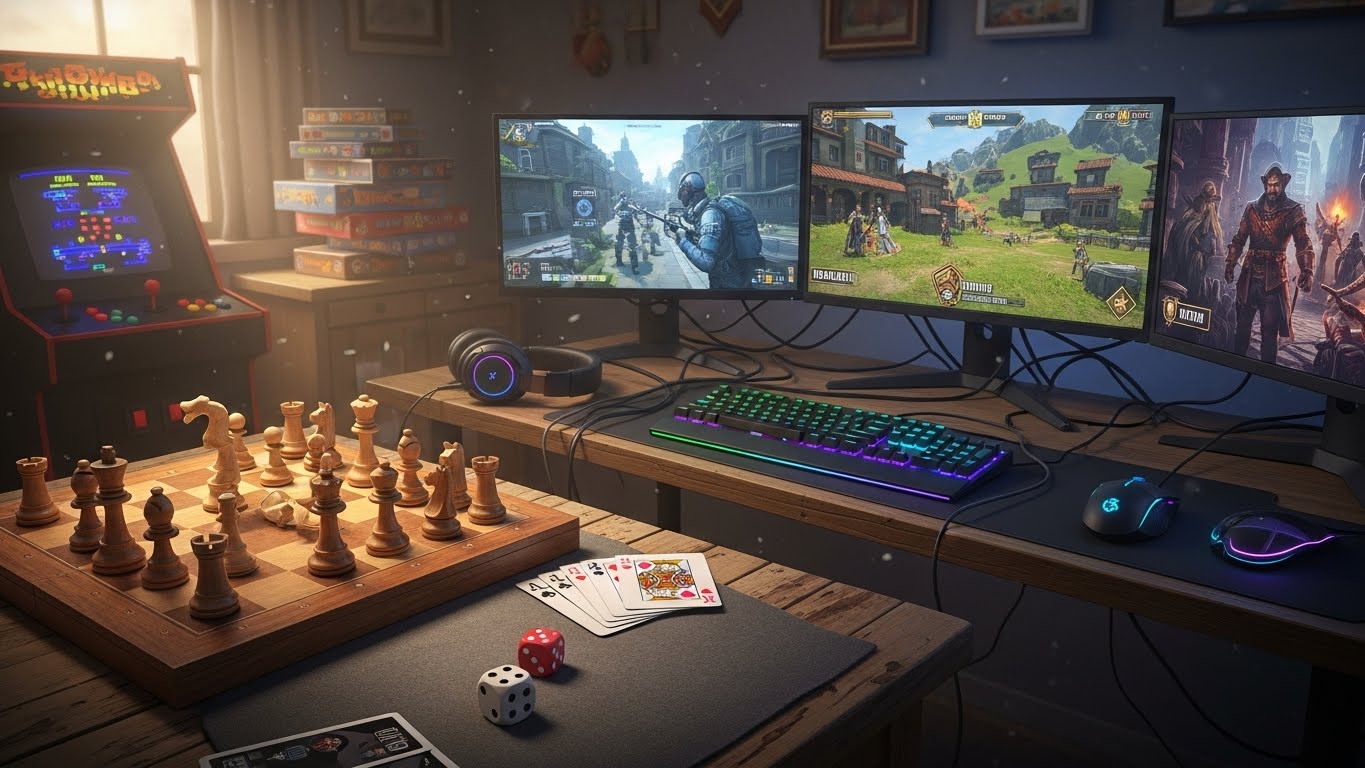
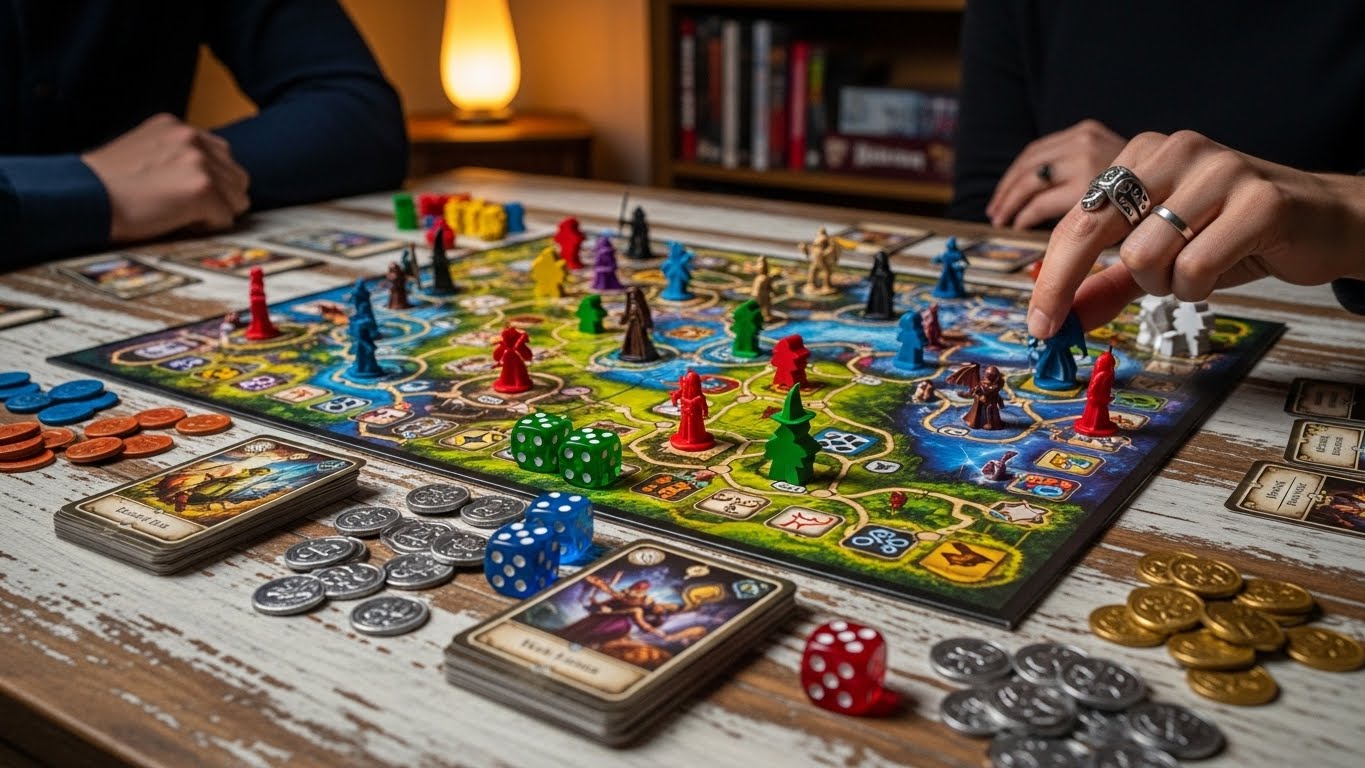
The history of games stretches back thousands of years, long before the advent of modern technology. Some of the earliest forms of gaming can be found in ancient civilizations. The Egyptians played Senet, a game that’s believed to symbolize the journey of the soul. The Chinese created Go, a game of strategy with simple rules but incredibly complex gameplay. The ancient Greeks enjoyed dice games, while the Romans played games like Tabula and Latrunculi, early versions of backgammon and chess.
These games were not just for entertainment; they were tools for teaching strategy, planning, and social interaction. In ancient cultures, games often held spiritual or philosophical significance. For example, Go is much more than a board game—it’s seen as a way to cultivate the mind and balance mental forces. Over time, games began to serve different functions: they were used for recreation, to build community, and to pass on cultural values to future generations.
As societies advanced, so did their games. The introduction of card games, dice games, and eventually chess in the medieval period marked the evolution of games into more complex forms. The roots of competitive play, strategy, and intellectual engagement that began in ancient times would lay the foundation for modern gaming.
The Rise of Digital Gaming: The Birth of a New Era
The 20th century brought about the birth of digital games, forever changing the landscape of play. The introduction of early arcade games like Pong in 1972 by Atari marked the beginning of interactive entertainment. These early games were simple—primarily focused on short, engaging gameplay that tested reflexes and coordination—but they were revolutionary in their ability to engage players in a way that hadn’t been possible before.
As technology advanced, so too did the complexity and depth of games. In the 1980s and 1990s, home consoles like the Nintendo Entertainment System (NES), Super Nintendo, and Sega Genesis began to make video gaming more accessible to the masses. Games like Super Mario Bros., The Legend of Zelda, and Sonic the Hedgehog became household names, helping to establish video gaming as a legitimate and widely accepted form of entertainment. These games introduced rich stories, vivid characters, and expansive worlds, marking a shift from arcade-style play to more immersive experiences.
By the late 1990s, personal computers became a primary platform for gaming, and titles like Warcraft, Diablo, and StarCraft introduced players to online multiplayer experiences. These games began to break down geographical barriers, allowing players to connect with each other across the globe. The early days of online gaming were the building blocks for what would later become the global phenomenon of eSports.
The Diverse World of Games Today
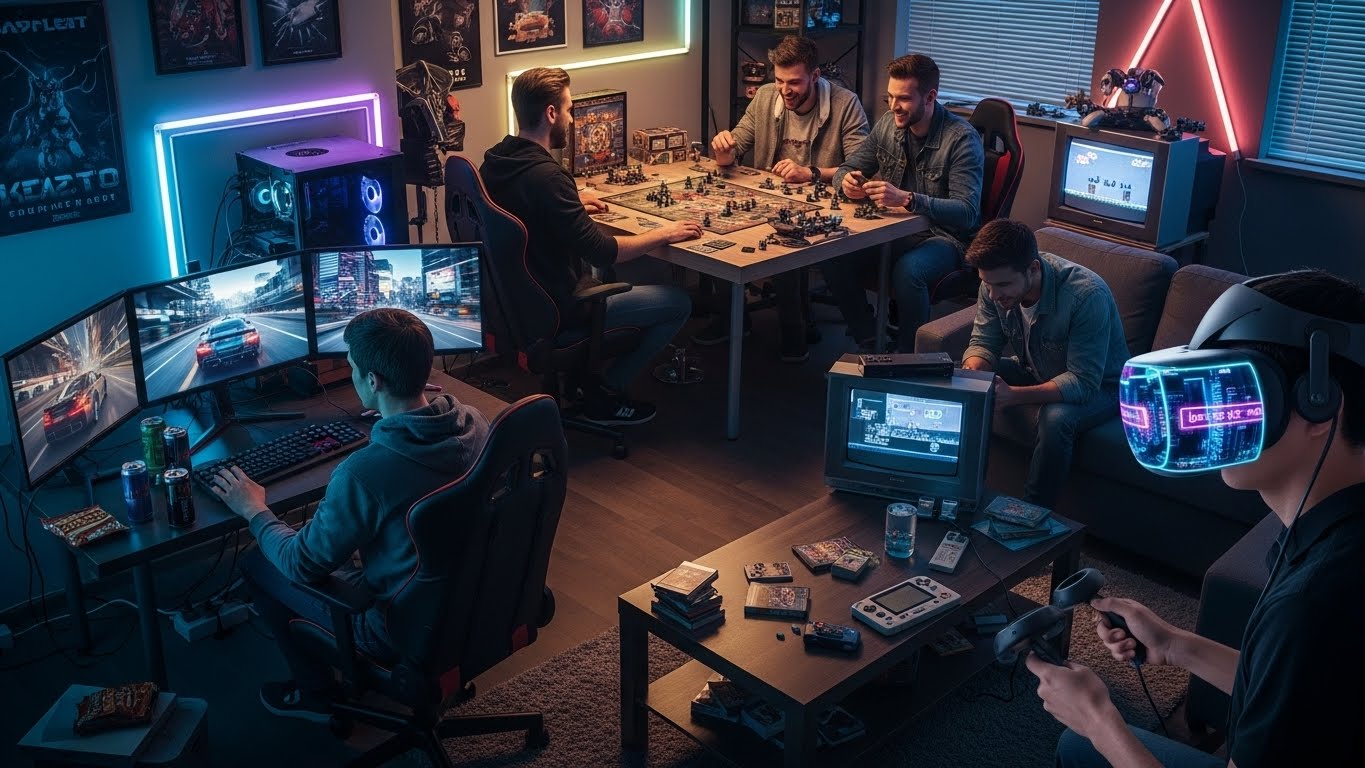
Gaming today is not a monolithic experience. It encompasses a vast array of genres, platforms, and experiences that cater to diverse interests and age groups. Whether you’re into high-octane shooters, strategy games, deep role-playing adventures, or mobile puzzle games, there’s something for everyone in the world of gaming.
Console Gaming
Consoles like the PlayStation, Xbox, and Nintendo Switch have continued to be central to the gaming world, offering immersive single-player experiences and highly competitive multiplayer modes. Games like The Last of Us, God of War, and Zelda: Breath of the Wild exemplify the incredible storytelling, cutting-edge graphics, and innovative gameplay that modern consoles can offer. These platforms continue to push the boundaries of what is possible in terms of gaming visuals and narrative depth.
PC Gaming
Personal computers have long been the go-to platform for enthusiasts who crave high-performance hardware and customizable gaming experiences. Titles like The Elder Scrolls V: Skyrim, Counter-Strike, and World of Warcraft are staples of PC gaming, offering expansive worlds, deep customization, and modding communities that allow players to extend the life and scope of their games. High-end PCs also dominate the eSports scene, with competitive players using top-tier machines to play at the highest level.
Mobile Gaming
The rise of mobile gaming has been one of the most significant trends of the last decade. With the proliferation of smartphones and tablets, games like Candy Crush, Clash of Clans, and Fortnite Mobile have reached millions of people. These games are designed to be quick, accessible, and socially engaging. They allow people to play while on the go, during breaks at work, or while commuting. Mobile gaming has democratized play, making it easy for anyone to join in and find enjoyment in gaming.
Virtual Reality and Augmented Reality
The most exciting developments in gaming right now come in the form of virtual reality (VR) and augmented reality (AR). VR platforms like the Oculus Rift and PlayStation VR allow players to immerse themselves in entirely new worlds, where they can interact with the environment in ways that were once only dreamed of. Games like Beat Saber, Half-Life: Alyx, and The Walking Dead: Saints & Sinners have shown the potential of VR for creating truly immersive experiences.
AR games like Pokémon GO have taken a more mobile-first approach, blending real-world environments with digital gameplay. This fusion of the physical and digital worlds represents a new frontier in gaming, one that has the potential to reshape how we experience not just entertainment, but our surroundings as well.
The Social and Cultural Impact of Games
Gaming today is no longer a solitary activity. It’s a highly social and collaborative experience. The rise of online multiplayer games has connected millions of people worldwide. Games like Fortnite, League of Legends, and Overwatch have created global communities where players from different cultures and backgrounds come together to compete and collaborate.
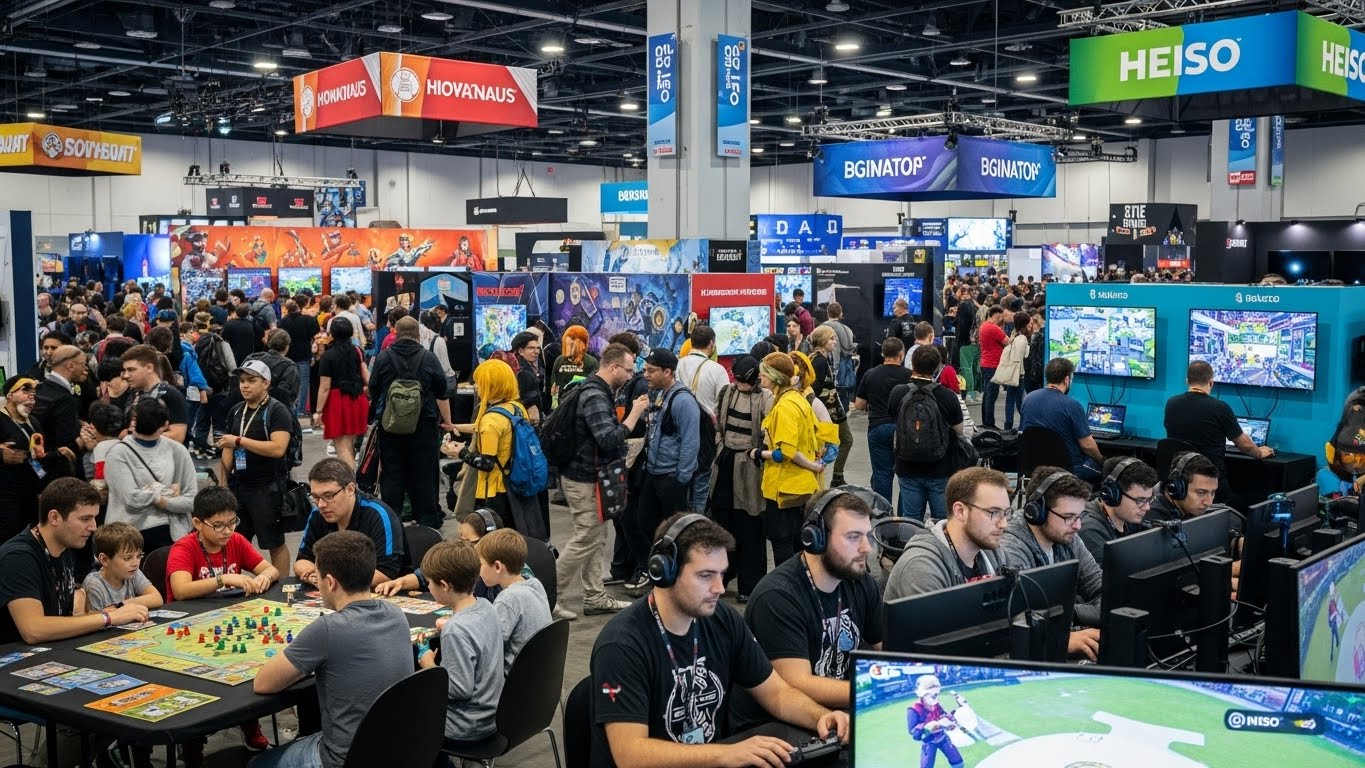
These games have also blurred the line between professional sports and gaming. eSports, or competitive video gaming, has grown into a massive industry, with tournaments offering millions in prize money and drawing huge crowds. Players can now pursue professional careers in gaming, becoming celebrities and influencers. This shift has given gaming a cultural legitimacy that was once hard to imagine.
Games are also increasingly being used as a platform for storytelling and social commentary. Titles like The Last of Us Part II and Red Dead Redemption 2 tackle complex themes of morality, loss, and human connection, showcasing the power of video games as an art form. These games have demonstrated that games can be just as emotionally resonant as films or literature.
The Future of Games: What’s Next?
The future of gaming is incredibly exciting. As technology continues to evolve, so too will the possibilities for immersive play. One of the most promising advancements is the integration of artificial intelligence (AI) into gaming. AI can create more dynamic, responsive worlds that adapt to a player’s actions, making each experience unique. Machine learning could lead to smarter NPCs, more intricate storylines, and more personalized gameplay.
Virtual reality and augmented reality will only continue to grow, offering new ways to experience both entertainment and the world around us. The future may see entire cities built in virtual spaces, or augmented worlds where players interact with each other in physical environments enhanced by digital overlays.
Cloud gaming also represents a significant shift in how we access games. Services like Google Stadia and Microsoft xCloud allow players to stream games directly to their devices without the need for expensive hardware. As internet speeds improve and cloud infrastructure becomes more robust, it’s likely that game streaming will become the norm, making high-quality gaming accessible to more people than ever before.
Conclusion
Games have come a long way from their humble beginnings. From ancient strategy games to the fully immersive virtual worlds of today, they have evolved alongside technology and society. What was once a simple form of entertainment has grown into a complex, multi-faceted medium that influences everything from social interaction to culture, education, and even politics.
In the future, games will only become more integrated into our daily lives. Whether through competitive eSports, immersive virtual worlds, or interactive narratives, games will continue to shape the way we connect with each other and the world around us. The power of play is stronger than ever, and it will undoubtedly continue to transform entertainment for generations to come.