gamechampion54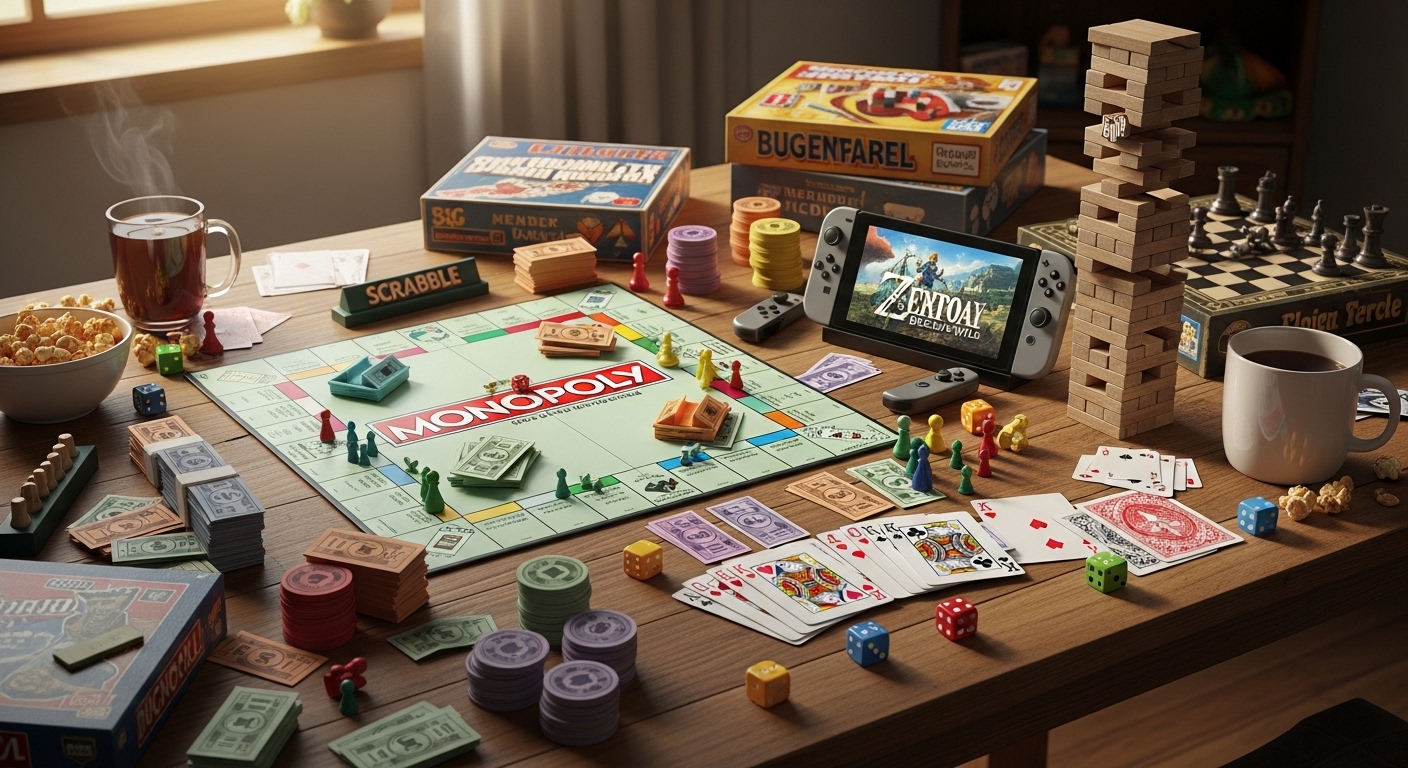
Introduction: The Everlasting Allure of Games
Games are an integral part of human culture and history, transcending generations, cultures, and technological boundaries. Whether it’s the classic board games that have been passed down through generations or the latest immersive digital worlds, games have consistently captured our imaginations, offering both entertainment and opportunities for growth. As we continue to advance technologically, the way we play has evolved, but the underlying human desire for competition, socialization, and fun remains unchanged. This blog post will explore the enduring appeal of games, from their humble origins to the technological marvels that define modern gaming.
The Origins of Games: Fun, Skill, and Tradition
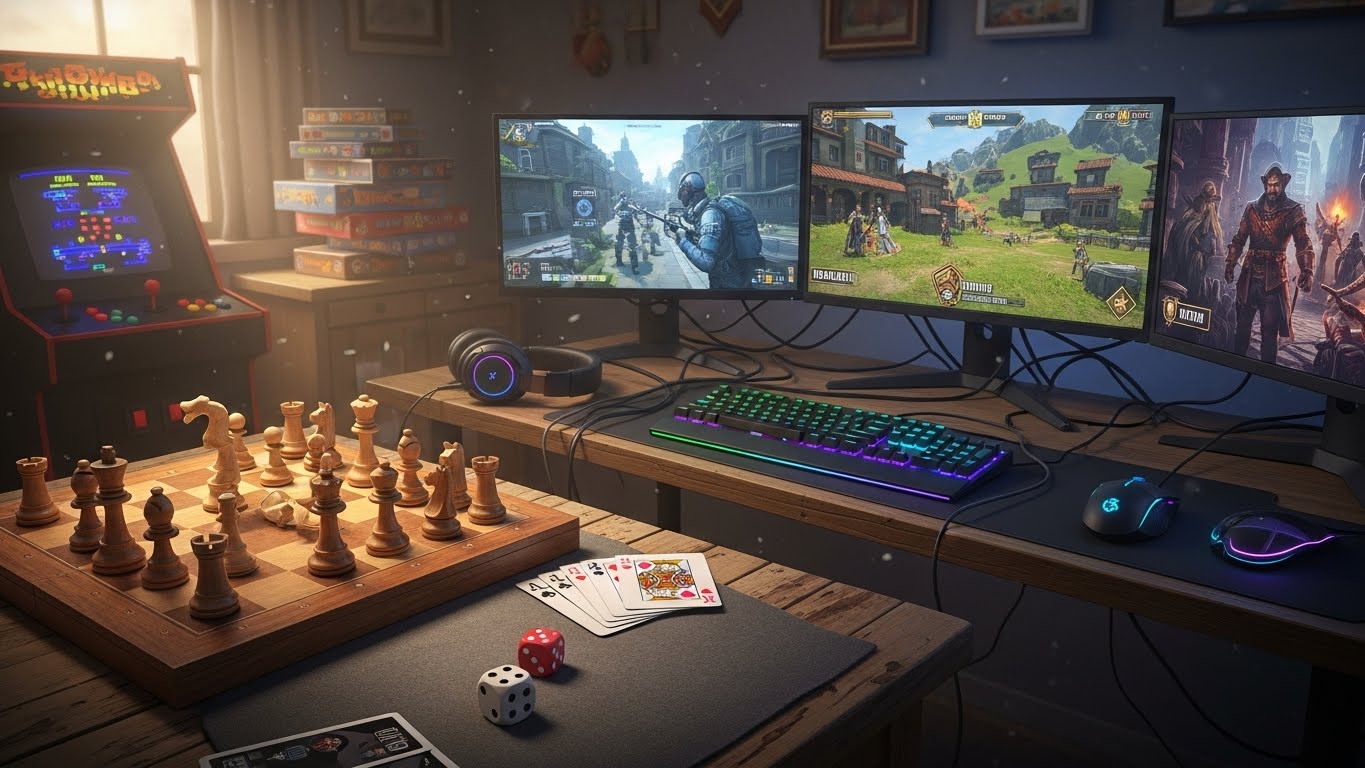
Games have been around for as long as human civilization itself. Ancient cultures created games to pass the time, engage in competition, and develop skills. Evidence of early games can be found in archaeological sites, with artifacts like dice, board games, and playing cards suggesting that gaming has always been a part of human life. Games such as Senet, which originated in ancient Egypt, or the strategy game Go from China, are among the oldest known games in human history.
These early games often had deeper meanings. For instance, the Royal Game of Ur, an ancient game found in Mesopotamia, was not only a form of entertainment but also believed to be a representation of life’s journey, with spiritual and symbolic importance. In many cultures, games served not only as leisure activities but also as educational tools, teaching skills such as strategy, problem-solving, and social interaction.
As societies evolved, so did their games. The introduction of chess in medieval Europe revolutionized the concept of strategy-based games, and the popularity of cards spread across the globe. These games were not only enjoyable pastimes but became embedded in the cultural fabric of societies, creating shared experiences and a sense of community.
Board Games and Card Games: Socializing Through Play
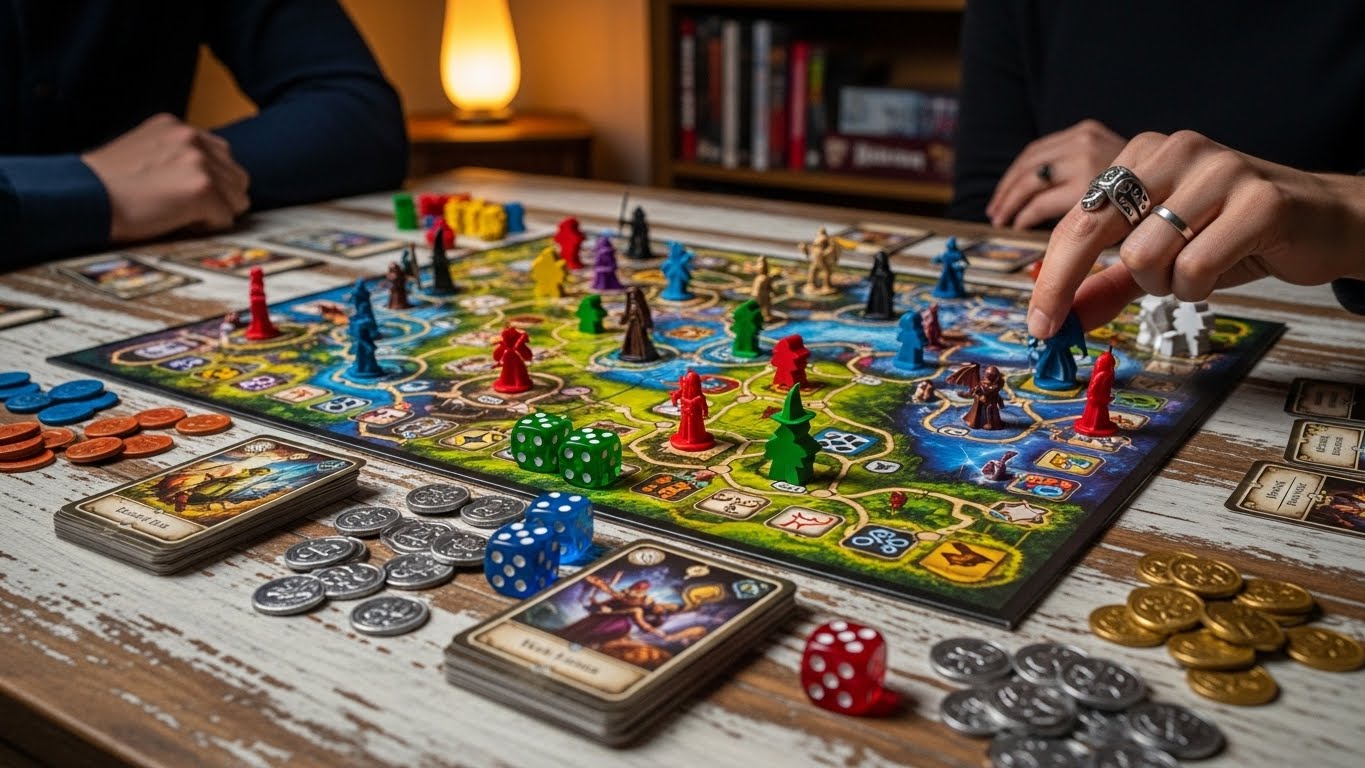
The golden age of board games and card games arrived in the 19th and early 20th centuries. Iconic games like Monopoly, Scrabble, and Clue (Cluedo) became household names, enjoyed by families and friends across the world. Board games became a way for people to bond, engage in friendly competition, and challenge one another’s intellects. These games often had simple mechanics, but they could create hours of enjoyment, laughter, and occasionally frustration.
Card games such as Poker, Rummy, and Bridge also held a special place in both casual and competitive circles. These games were seen as opportunities to hone skills such as memory, calculation, and strategy. Whether played around a dinner table with friends or in a casino setting, card games were among the most enduring forms of entertainment, drawing people together for social interaction.
While the mechanics of these games may seem simple by today’s standards, they laid the groundwork for the more complex, interactive gaming experiences that would follow. Board games and card games served as a medium through which people could engage their minds, develop social skills, and learn the value of fair play, collaboration, and sometimes losing gracefully.
The Digital Revolution: Video Games Take Center Stage
In the late 20th century, video games revolutionized the world of gaming, bringing it into the digital realm. The advent of arcade games like Pong, Space Invaders, and Pac-Man opened a new world of gaming where players could compete and interact with machines in ways that were previously unimaginable. These early video games were simple, but they quickly became a global phenomenon, attracting millions of players and setting the stage for the gaming industry we know today.
The introduction of home consoles in the 1980s and 1990s, such as the Nintendo Entertainment System (NES) and the Sega Genesis, made video games more accessible. For the first time, families could play video games together in their living rooms. Games like Super Mario Bros., The Legend of Zelda, and Sonic the Hedgehog introduced players to expansive, creative worlds filled with colorful characters and challenging obstacles. These games were designed to entertain, but also to engage players in ways that required reflexes, problem-solving, and exploration.
As technology advanced, so did the complexity of video games. The 1990s and 2000s saw the rise of 3D graphics, open-world exploration, and more complex narratives. Games like Grand Theft Auto, The Elder Scrolls series, and Final Fantasy took the concept of digital play to new heights, offering players sprawling environments, branching storylines, and deeper character development.
Video games had become more than just a way to pass the time; they had become an art form, blending technology, storytelling, music, and design into interactive experiences. Gamers weren’t just pressing buttons—they were engaging in dynamic, often emotional, journeys that allowed them to explore fantastical worlds or solve complex mysteries.
Online Gaming: The World Becomes a Playground
The early 2000s marked a significant shift in the gaming landscape with the rise of online gaming. High-speed internet made it possible for people from all corners of the world to connect and play together in real time. Games like World of Warcraft, Counter-Strike, and Halo revolutionized how players interacted with one another. No longer confined to local multiplayer games or in-person meetups, gaming became a global social activity.
Multiplayer online games offered new opportunities for collaboration, as players formed teams, clans, and guilds to conquer challenges and compete in virtual worlds. The growth of online communities allowed gamers to form lasting friendships, share tips and strategies, and create content that enhanced the overall gaming experience.
The success of massively multiplayer online role-playing games (MMORPGs) demonstrated the power of shared virtual spaces. Players could create their own avatars, embark on quests, and interact with thousands of other players simultaneously. These games provided a sense of belonging, allowing players to immerse themselves in new worlds and take on roles that would be impossible in the real world.
Mobile Gaming: Play Anywhere, Anytime
The rise of smartphones in the late 2000s opened a new frontier for gaming: mobile gaming. With the release of the iPhone and Android devices, games were now available on the go. Casual gaming exploded in popularity, as millions of people discovered the joy of playing games like Angry Birds, Candy Crush, and Clash of Clans during their daily commutes or while waiting in line.
Mobile games are designed to be accessible and easy to pick up, making them ideal for players who want a quick gaming session without the need for complicated controls or lengthy time commitments. The success of these mobile games showed that gaming could be enjoyed by everyone, regardless of their experience level or gaming preferences.
With the proliferation of app stores and game development tools, indie game developers could now reach vast audiences with minimal overhead. This democratization of game creation led to the rise of some of the most creative and innovative games in recent years, such as Monument Valley, Flappy Bird, and Stardew Valley. Mobile gaming has expanded the definition of what a game can be, offering new genres, experiences, and ways for players to engage with their devices.
The Rise of Esports: Gaming Becomes a Profession
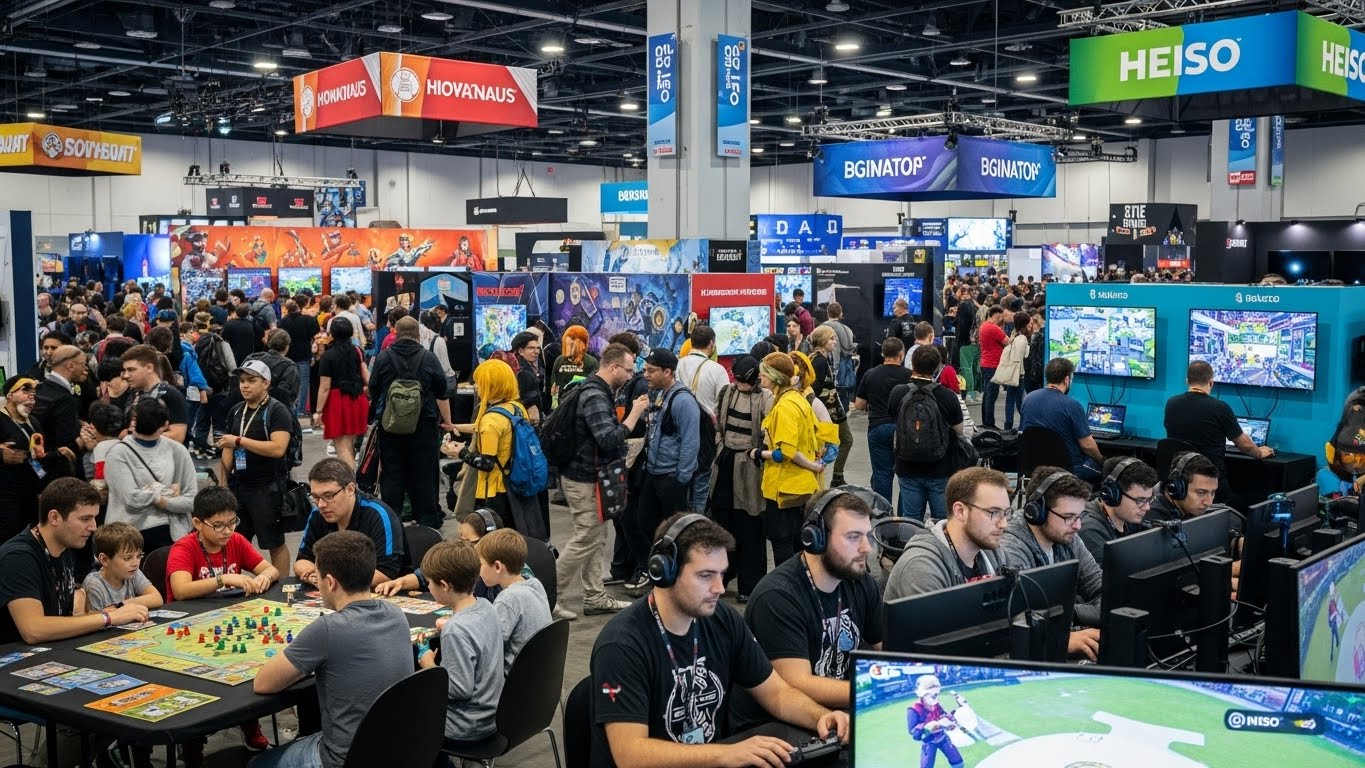
In the 2010s, gaming took on a new dimension with the rise of esports. Competitive gaming has become a multi-billion-dollar industry, with professional players competing in tournaments for massive cash prizes, sponsorship deals, and fame. Esports tournaments like The International for Dota 2 and the League of Legends World Championship have drawn millions of viewers, making esports a global spectacle.
Esports has turned gaming into a career for many, with professional gamers, streamers, and content creators finding fame and fortune in the world of competitive play. Platforms like Twitch and YouTube have enabled gamers to stream their gameplay to massive audiences, building communities and creating new opportunities for interaction. Esports organizations, sponsors, and fans have helped turn gaming into a mainstream activity, with an ever-expanding viewership that rivals traditional sports.
The Future of Games: Innovation and Immersion
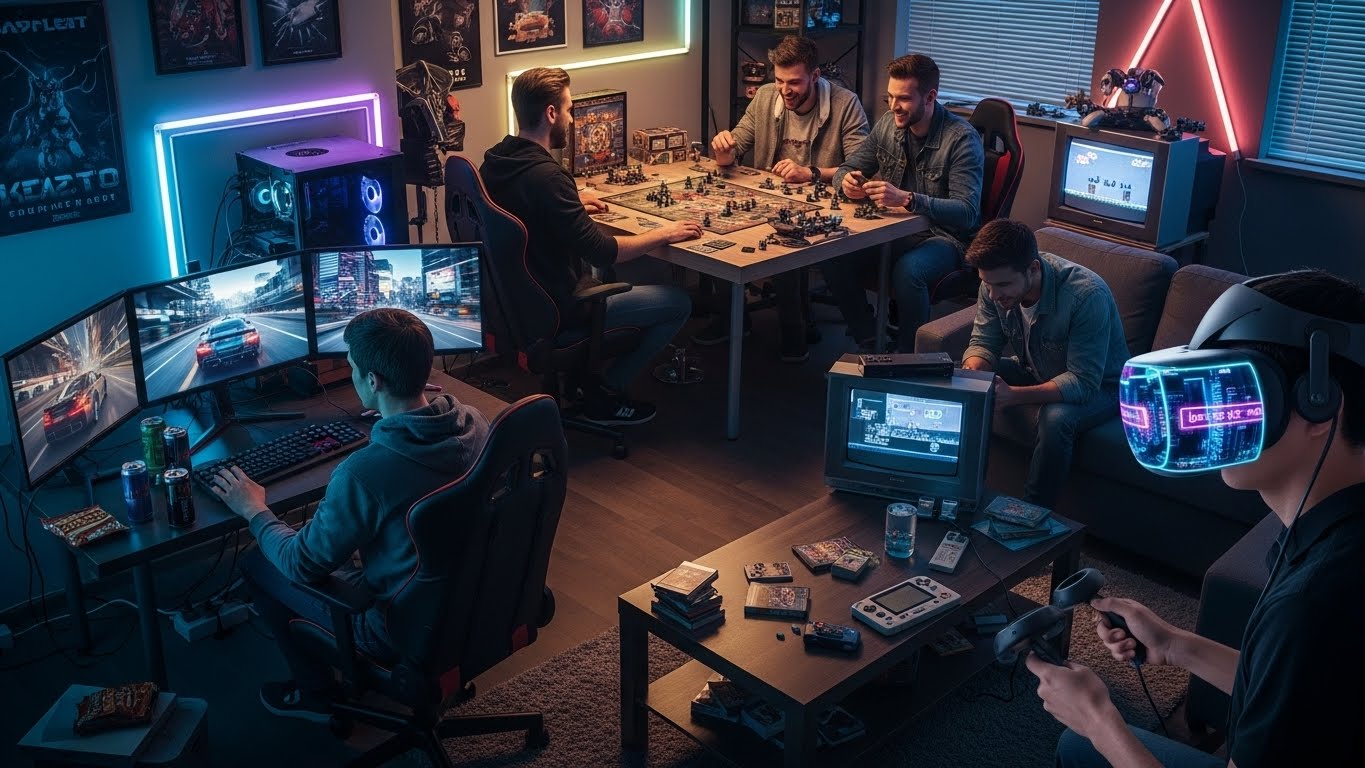
The future of gaming is a world of possibilities. Virtual reality (VR) and augmented reality (AR) are two technologies that are reshaping how players experience games. VR immerses players in fully digital environments, where they can interact with the game world in unprecedented ways. AR blends digital elements with the physical world, as seen in games like Pokémon Go, which allows players to interact with virtual characters in real-world locations.
The rise of cloud gaming promises to make high-quality gaming more accessible. Players will no longer need expensive hardware to play cutting-edge games. Instead, they will be able to stream games directly from the cloud, allowing them to play anywhere, on any device. This could break down barriers to entry for players who previously lacked access to high-end gaming systems.
As technology continues to advance, gaming will become even more immersive, interactive, and inclusive. From AI-driven narratives to deeper social integration, the future of games holds limitless potential. Gaming will continue to evolve, but one thing is certain: it will always be a powerful medium for connection, creativity, and fun.
Conclusion: The Enduring Magic of Games
Games, in all their forms, have stood the test of time because they tap into something fundamental about human nature—the desire to play, to compete, and to connect. Whether through physical games, video games, mobile apps, or esports, gaming has provided joy, challenge, and entertainment for generations. As technology continues to shape the future of gaming, the possibilities for what games can offer seem endless. One thing is for certain: games will continue to be an essential part of our lives, offering experiences that entertain, educate, and inspire for years to come.