gamechampion54
Introduction: The Universal Language of Play
Games have long been part of human culture, serving as both entertainment and education since ancient times. From simple board games carved into stone to the visually stunning digital worlds of today, the evolution of games tells a story of creativity, innovation, and human connection. In modern times, video games have transcended being just a pastime. They have become a form of art, a storytelling medium, a competitive sport, and even a tool for learning and mental growth.
The world of gaming is vast and diverse, reaching across continents and generations. Whether someone plays for fun, competition, or relaxation, games have a unique way of bringing people together while allowing them to explore endless possibilities. This blog dives deep into the universe of video games — their history, impact, technological evolution, and the reasons why they continue to captivate millions around the globe.
The Origins: From Playgrounds to Pixels
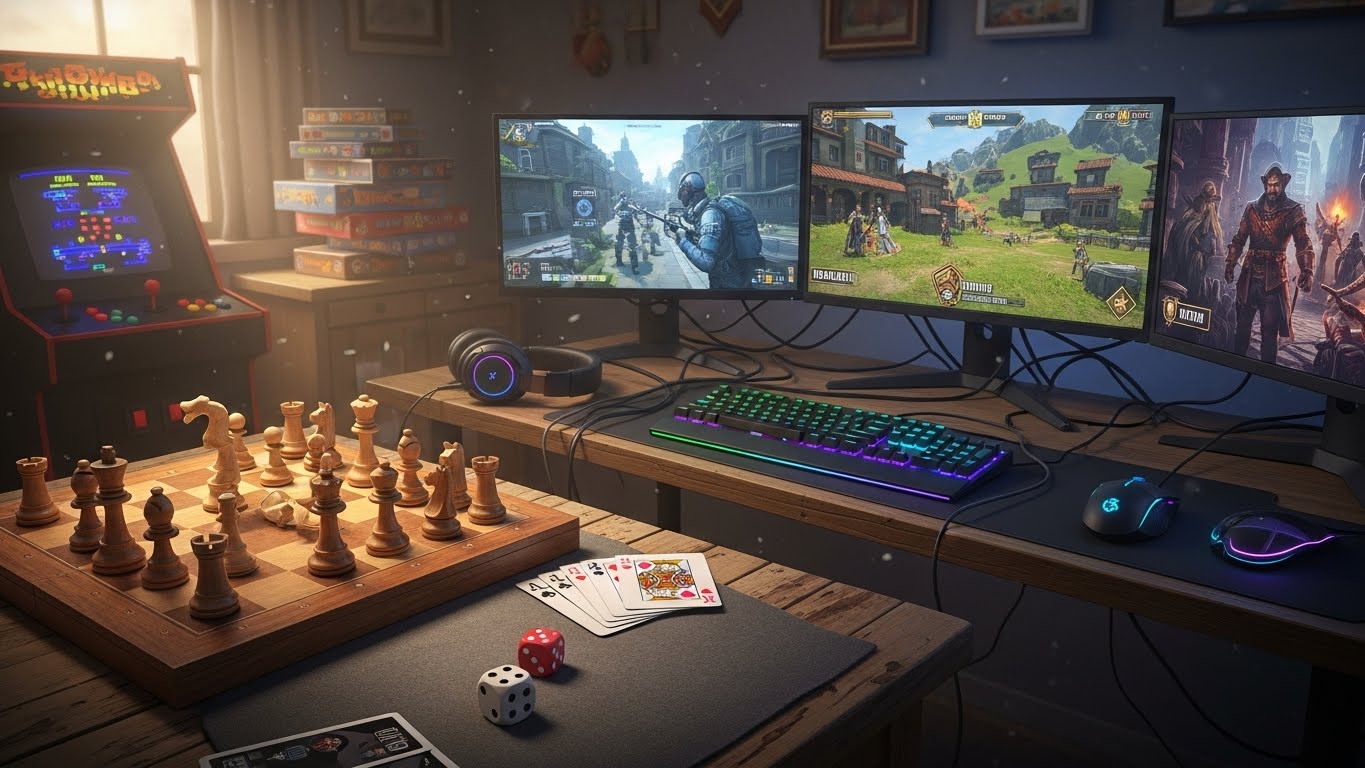
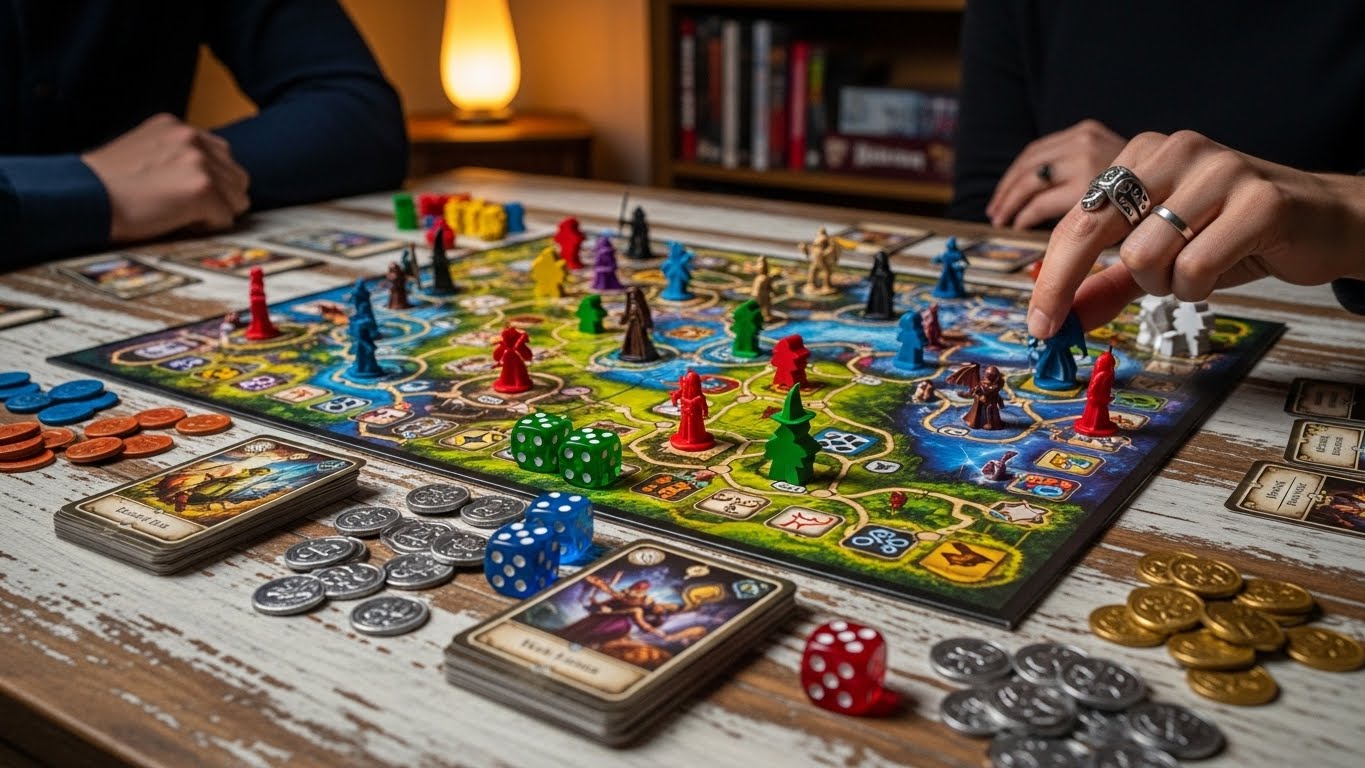
Before video games dominated screens, games existed in their purest forms — physical and imaginative play. Ancient civilizations had board games like Senet in Egypt and Go in China, while later generations enjoyed chess, checkers, and card games. These early forms of entertainment required strategy, creativity, and social interaction — qualities that would later influence the design of digital games.
The birth of video games began in the mid-20th century with simple digital experiments such as “Tennis for Two” and “Spacewar.” Then came the arcade era of the 1970s, where classics like Pong, Pac-Man, and Space Invaders introduced electronic gaming to the public. These games were basic by today’s standards but revolutionary in their time. They laid the foundation for a global entertainment phenomenon.
The Rise of Consoles and Home Gaming
The late 1970s and 1980s marked the golden age of console gaming. Companies like Atari, Nintendo, and Sega transformed the industry by bringing interactive entertainment into people’s living rooms. With the launch of systems like the Nintendo Entertainment System and Sega Genesis, video games became a household staple.
Iconic characters such as Mario, Sonic, and Link became cultural legends. The storytelling and gameplay mechanics evolved, allowing players to immerse themselves in fantasy worlds. Games were no longer just about high scores — they became adventures with heroes, villains, and emotional depth. This era taught the world that video games could be more than just entertainment; they could tell stories and create emotional connections.
The Technological Revolution: From 2D to 3D Worlds
The 1990s brought a monumental shift with the rise of 3D graphics and CD-ROM technology. Consoles like the PlayStation, Nintendo 64, and later the Xbox introduced realistic visuals and deeper gameplay experiences. Games such as Final Fantasy VII, The Legend of Zelda: Ocarina of Time, and Metal Gear Solid revolutionized storytelling through cinematic presentation and character development.
With the power of new hardware, developers could create vast, interactive worlds filled with lifelike characters and dynamic environments. The shift from 2D to 3D not only improved visuals but also expanded the creative potential of game design. Exploration, choice, and immersion became central to the gaming experience.
This technological evolution marked the beginning of gaming as an art form. Developers began using games to express ideas, emotions, and philosophies. Every pixel, soundtrack, and story became a piece of the player’s emotional journey.
The Digital Age: Online and Connected Play
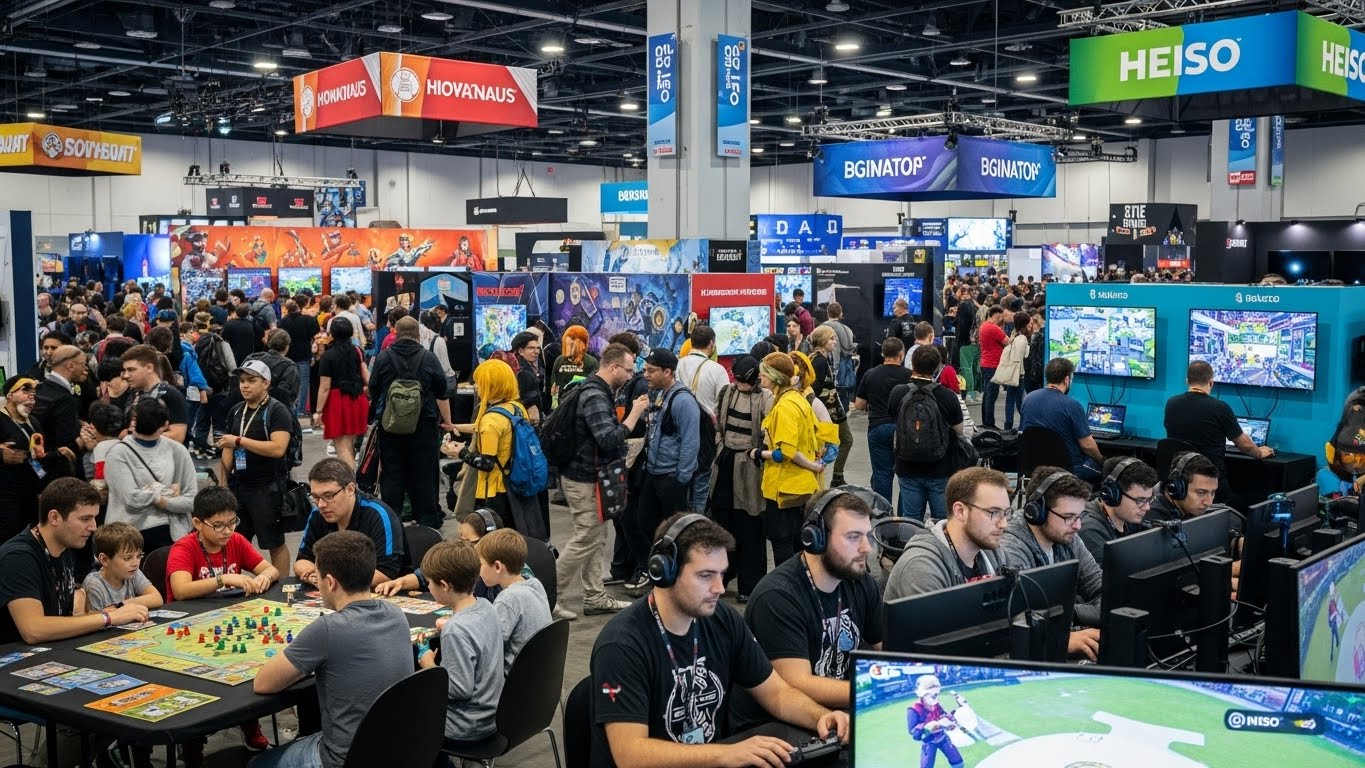
The dawn of the internet age transformed how people played games. Online gaming introduced multiplayer experiences that connected players across the world. Titles like Counter-Strike, World of Warcraft, and Halo redefined community and competition. Gamers could now form teams, participate in tournaments, and communicate in real time — all from their own homes.
Massively multiplayer online games (MMOs) became virtual societies, where players could build friendships, economies, and even digital identities. Online platforms also gave rise to esports, turning competitive gaming into a global industry.
Digital distribution changed everything once again. With platforms that allowed players to download games instantly, accessibility and diversity in gaming grew exponentially. Independent developers gained the ability to share their creations without massive budgets, leading to a golden era of creativity and experimentation.
The Power of Storytelling in Games
One of the most remarkable transformations in the gaming industry is how storytelling has evolved. Video games are now capable of delivering emotional narratives on par with literature and film. Players are not just observers — they are active participants shaping the story through their decisions and actions.
Games like The Last of Us, Red Dead Redemption, and Journey demonstrate the emotional power of interactivity. They make players laugh, cry, and reflect. Through immersive storytelling, games teach empathy and perspective, allowing players to experience life through different lenses.
The fusion of gameplay and narrative has created a unique form of emotional engagement. Every choice a player makes can carry moral weight, forcing them to confront dilemmas that mirror real-world complexities. This ability to interact with and influence a story is what makes video games a truly distinct art form.
The Cultural Impact of Gaming
Video games are more than entertainment — they are a reflection of culture. They inspire art, music, fashion, and even social movements. Gaming communities foster creativity, collaboration, and inclusivity, connecting millions of people across backgrounds and beliefs.
Moreover, gaming has entered mainstream media and education. Schools and universities now use games as teaching tools to develop problem-solving, critical thinking, and teamwork. The gamification of learning has proven to make education more engaging and interactive.
In popular culture, gaming influences films, books, and television. Iconic franchises such as Pokémon, Assassin’s Creed, and The Witcher have expanded beyond consoles, becoming multi-media empires. These cultural crossovers show how deeply games have integrated into the global imagination.
The Business of Games: An Economic Powerhouse
The gaming industry has become one of the most profitable sectors in entertainment, surpassing movies and music combined. With advancements in technology and global reach, game development has turned into a massive ecosystem involving programmers, artists, designers, musicians, and marketers.
Mobile gaming, in particular, has revolutionized accessibility. Smartphones have made gaming universal, reaching audiences that traditional consoles could not. Casual games like Candy Crush and strategy titles like Clash of Clans have demonstrated that gaming can appeal to everyone — not just hardcore enthusiasts.
The rise of streaming platforms has also expanded the business side of gaming. Streamers and content creators earn livelihoods by sharing their gameplay experiences, while game studios collaborate with them to market new releases. This interactive marketing strategy has blurred the line between players and influencers, shaping how games are consumed and promoted.
Challenges and Controversies in Gaming
Despite its growth, the gaming industry faces its share of challenges. Issues such as gaming addiction, microtransactions, and toxic online behavior have raised concerns about player welfare. Critics argue that excessive gaming can lead to social isolation or neglect of real-world responsibilities.
In response, developers and communities are focusing on responsible gaming initiatives. Features like parental controls, playtime reminders, and community moderation aim to create safer and more balanced environments. Conversations around mental health and inclusivity are also becoming central to the future of gaming culture.
Representation is another important topic. The demand for diverse characters and stories continues to grow. Modern developers are striving to create inclusive games that reflect different genders, ethnicities, and backgrounds. This shift not only enhances storytelling but also fosters empathy and understanding among players worldwide.
The Future of Games: Innovation and Immersion
As technology advances, the boundaries of gaming continue to expand. Virtual reality (VR), augmented reality (AR), and artificial intelligence (AI) are redefining immersion and interactivity. Players can now step inside virtual worlds, interact with lifelike characters, and experience gameplay that adapts dynamically to their behavior.
Cloud gaming is another revolutionary step. It allows players to stream high-quality games without needing powerful hardware, making premium experiences more accessible. This could mark a future where anyone, anywhere, can enjoy cutting-edge gaming on any device.
Moreover, the concept of the metaverse — a shared digital universe — is poised to merge gaming, social media, and digital economies. In this interconnected world, players could create, own, and trade virtual assets, blurring the lines between reality and imagination.
The future of gaming will not only be about better graphics or faster consoles but about how games evolve as platforms for creativity, education, and connection.
Conclusion: The Infinite Game of Life
From ancient pastimes to high-tech simulations, the journey of gaming reflects humanity’s endless desire for challenge, imagination, and connection. Games are more than entertainment; they are mirrors of human emotion and creativity. They teach us strategy, empathy, and perseverance while providing a space for joy and escape.
As technology continues to evolve, games will keep pushing boundaries — blending art, science, and storytelling in ways that no other medium can. The beauty of gaming lies in its universality; no matter where we come from or who we are, there is always a game waiting to spark our curiosity and ignite our imagination.
In the end, gaming is not just about winning or losing — it is about exploring, creating, and sharing experiences that unite people across the world. It is a testament to how play, in its purest form, continues to shape the essence of what it means to be human.